The Ball
Golf Balls
The ball is the only piece of equipment you use on every single shot — and the one where the marketing is furthest ahead of the difference you can feel.
We earn a commission when you buy through our Amazon links, at no extra cost to you. It never changes our rankings — and we'll tell you when the cheaper ball or club is the better buy. How this works.
The golf ball is the only piece of equipment you use on every shot, and the one where the gap between the marketing and the difference you can actually feel is widest. Almost every ball review is written for a tour swing and priced as if you never lose one. We do the opposite: we rank by handicap band and swing speed, show the live price per dozen, and tell you plainly when the $25 ball is the right answer.
The one distinction that matters: urethane vs ionomer
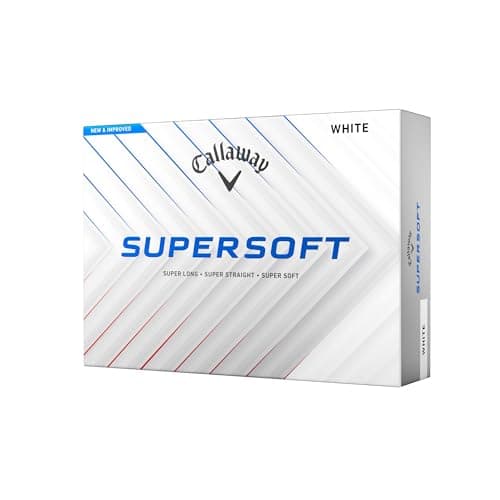
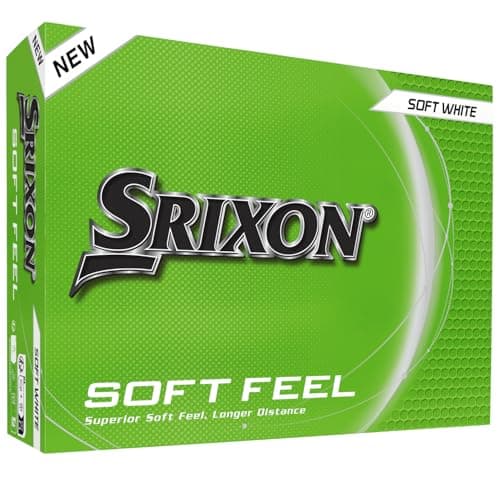
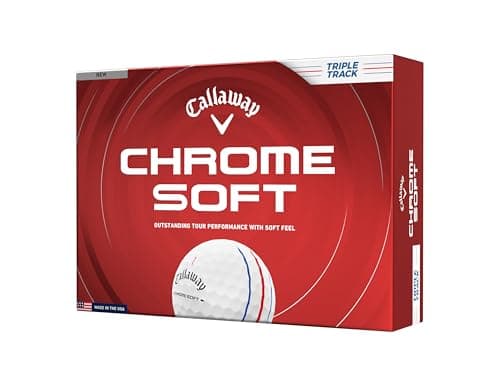
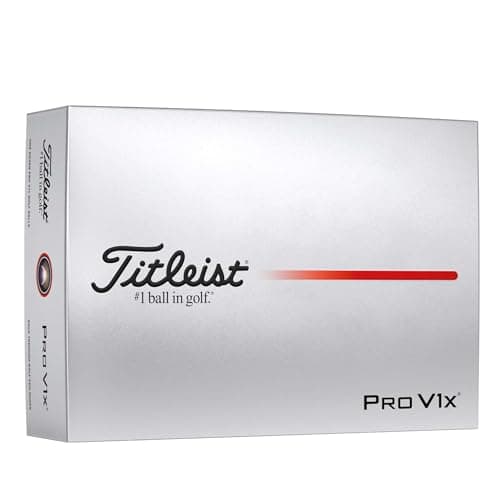
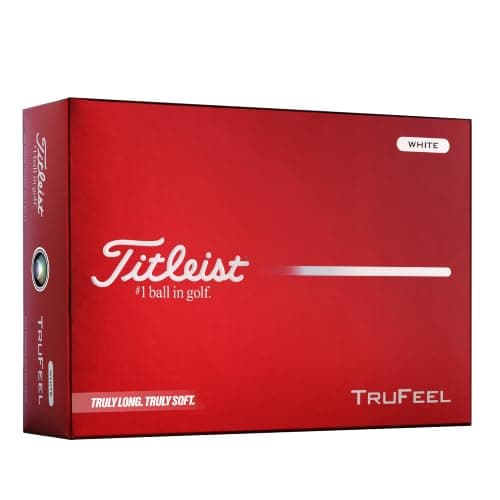
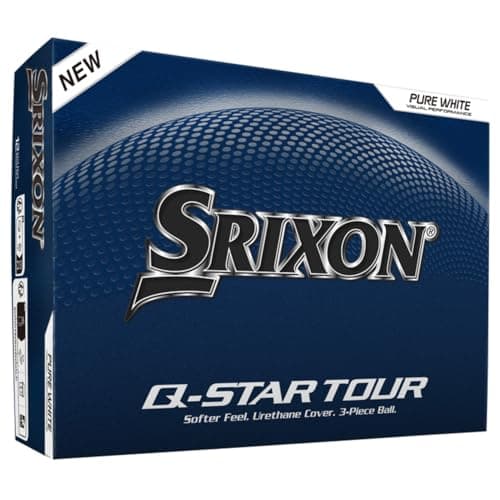
Ignore layer counts and dimple names for a moment. The single decision that separates a “premium” ball from a “value” ball is the cover material. Tour balls (Pro V1, Chrome Soft, TP5, Q-Star Tour) use a soft urethane cover that grips the grooves of a wedge and produces one-hop-and-stop greenside spin. Value balls (Supersoft, Soft Feel, TruFeel) use a firmer ionomercover that is more durable, cheaper, and spins less around the green. That is the whole ballgame. If your short game is built on spinning wedges, you want urethane. If it isn’t, urethane is money you’re paying for a benefit you can’t use.
Compression is about swing speed, not “better”
Compression is how much the ball squashes at impact. A low-compression ball (Supersoft, Duo Soft) is easy for a slower swing to flatten, and flattening the ball is where distance comes from. A firm tour ball needs real clubhead speed to compress fully — feed it a slow swing and it just sits there, robbing you of distance and feel. Higher compression is not “better”; it is a match for a faster swing. Most amateurs would gain more from a softer ball than from any driver they could buy. Our golf ball selector matches a ball to your speed in three questions.
The mistake almost everyone makes
It is buying a $55 tour ball to shoot 95 and then losing three of them in the water. You are paying for spin your swing can’t unlock, and then drowning it. Until you keep most of your golf balls in play, the honest move is a value ball you won’t wince about losing — and the money you save is genuine, not theoretical. Our cost breakdown on expensive golf balls does that arithmetic in full — and before you replace the boxes already in your garage, do golf balls go bad explains why an unopened dozen almost certainly does not need replacing at all.
Where to start
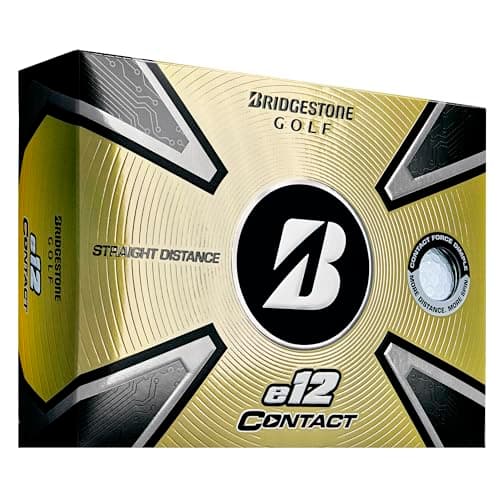
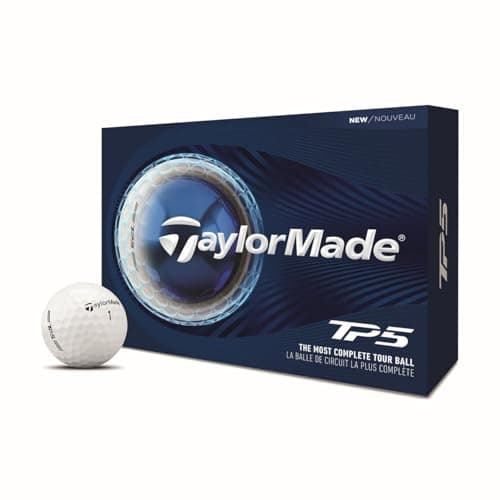
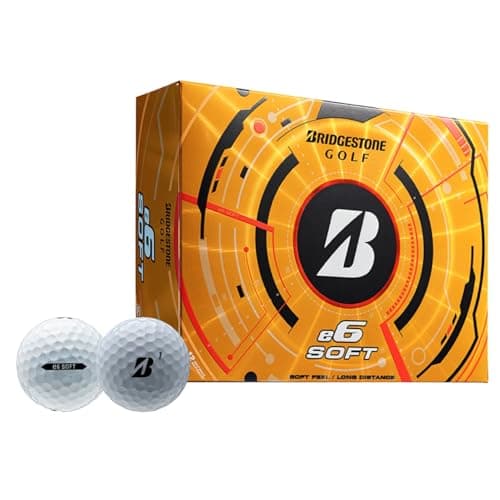
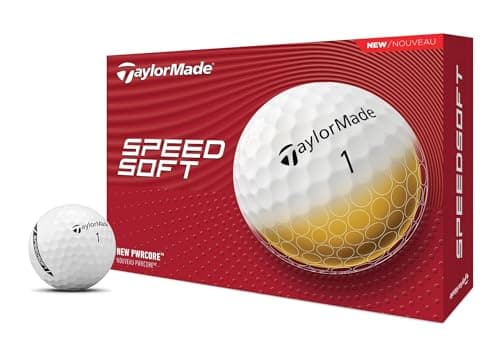
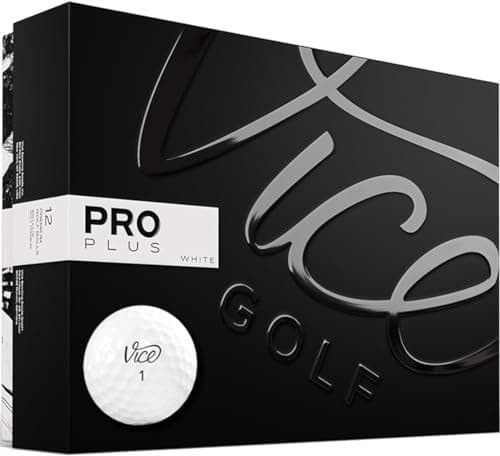
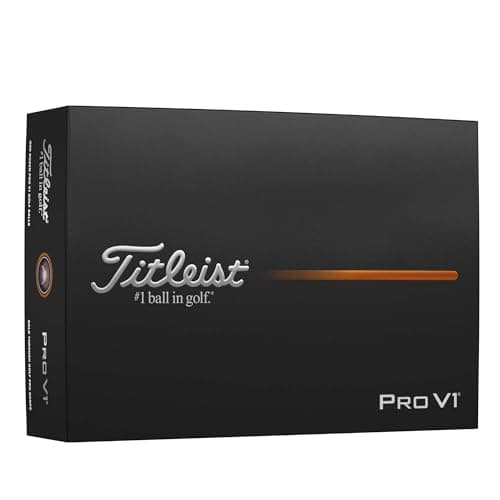
If you’re not sure, start with the best golf balls roundup, which ranks the whole field by who each ball is for. Slower swing? The slow-swing-speed roundup is built for you. Just starting out? The best golf balls for beginners roundup ranks the value field for a new game. Playing off a low single-digit? The low-handicapper roundup ranks the urethane field on spin and control. Playing through winter? Our cold-weather ball guide explains why your summer ball may be too firm to compress. Want to understand the numbers first? Read compression explained. Cross-shopping two specific balls? We settle the tour-ball showdown in Pro V1 vs TP5, weigh the two soft premiums in Chrome Soft vs TP5, and answer the value one everyone asks about in Supersoft vs Soft Feel. Wondering whether to pay up for a Pro V1? Read our full Titleist Pro V1 review, then weigh it against the mid-price urethane ball in Q-Star Tour vs Pro V1 and the direct-to-consumer challenger in Vice Pro Plus vs Pro V1— reviewed end to end in our Vice Pro Plus review. Callaway’s actual Pro V1 rival is the four-piece Chrome Tour, not the softer Chrome Soft, and Pro V1 vs Chrome Tourruns that comparison on published construction, each brand’s own spin grading and live price. Cross-shopping the high-flying tour balls or the two soft ends of the market? We split Pro V1x vs TP5, the retail-versus-direct premiums in Chrome Soft vs Vice Pro Plus, and the softest value balls in TruFeel vs Supersoft. Chasing carry? The best golf balls for distanceroundup ranks the firm, low-spin field and is honest about what a “distance ball” really trades away. Playing off a middling handicap and wondering when a tour-value ball starts to pay? The best golf balls for mid-handicappers is built for that band, and two more head-to-heads settle the sub-premium questions: Q-Star Tour vs Chrome Soft for the value-tour versus premium-soft call, and e12 Contact vs Supersoft for the straight-flight versus soft-feel one. Want a single ball reviewed end to end? Read our TaylorMade TP5 review, our Callaway Chrome Soft review, and our Srixon Q-Star Tour review— the value-tour ball we recommend most — then settle the two softest value balls in TruFeel vs Soft Feel. Struggling to keep it in play off the tee? The best golf balls for high handicappers roundup ranks the soft, straight, cheap-to-lose field for a game that still loses a few. Want a single value ball reviewed end to end? Read our Callaway Supersoft review, our Srixon Soft Feel review— the value ball we would actually buy — and our TaylorMade SpeedSoft review, then settle the softest-value head-to-heads in Supersoft vs Duo Soft, Q-Star Tour vs Soft Feel for the step up to urethane, and the two straight-flight Bridgestones in e6 vs e12 Contact. Chasing a higher tour flight? Read our full Titleist Pro V1x review, then weigh it against the soft Callaway premium in Pro V1x vs Chrome Soft. Every roundup below names a “skip this” pick, shows a live price, and links to the wedge or driver you might actually be better off spending the money on.
Start here
The Best Golf Balls for Every Handicap
The whole field ranked by handicap and swing speed, with the urethane-vs-ionomer decision explained and a live price on every pick.
Read the guide →
Everything in this hub