The Distance
Rangefinders & GPS
Laser or GPS, slope or not, subscription or free — four questions that decide which distance tool is right, and most guides answer none of them.
We earn a commission when you buy through our Amazon links, at no extra cost to you. It never changes our rankings — and we'll tell you when the cheaper ball or club is the better buy. How this works.
A distance device is one of the cheapest ways to shave strokes that doesn’t involve a lesson — you stop guessing, you commit to the number, and you swing freely. But the category is a mess of overlapping features and price tags, and most guides never answer the four questions that actually decide it: laser or GPS, slope or not, subscription or free, and how much of any of it you truly need. We answer all four, show the live price on every pick, and name the one to skip.
Laser or GPS: the decision that comes first
A laser rangefinder gives you a pinpoint distance to whatever you aim it at — the flag, a bunker lip, a tree. It is the more accurate tool, and the only one that reads directly to the pin. A GPS watch or handheldgives you front, middle and back distances to the green from a mapped course database, with a glance and no aiming. Neither is “better.” A laser rewards a steady hand and a player who wants exact numbers; GPS suits anyone who values speed, a wrist-glance, and knowing the whole green at once. Plenty of good players carry both — the laser for the approach, the GPS for pace and hazards. Our rangefinder vs GPS guide walks the choice in full.
Slope: the feature that helps your practice and can get you disqualified
“Slope” adjusts the yardage for uphill and downhill — an uphill shot plays longer, and a slope device does that math for you. It is genuinely useful in a casual round and on a hilly course. It is also not allowed in competition: under the Rules of Golf, using an elevation-reading feature is a breach, so slope must be switched off. The good news is that most modern slope lasers have an external switch that toggles it off and makes them tournament-legal — the ones that don’t are the ones to watch. We explain exactly what slope does in what is slope on a rangefinder, and the rules in are rangefinders legal.
The hidden cost: does it charge a yearly fee?
This is the launch-monitor trap creeping into GPS: some apps and units lock features behind a subscription. The good news for buyers is that the mainstream golf GPS watches and handhelds — Garmin’s Approach line, Shot Scope, Bushnell’s Phantom — carry their course data with no subscription, and Shot Scope throws in lifetime stats for free. A laser never has a fee at all. We flag the yearly-cost question on every pick so a one-time purchase doesn’t quietly turn into a recurring bill.
Where to start
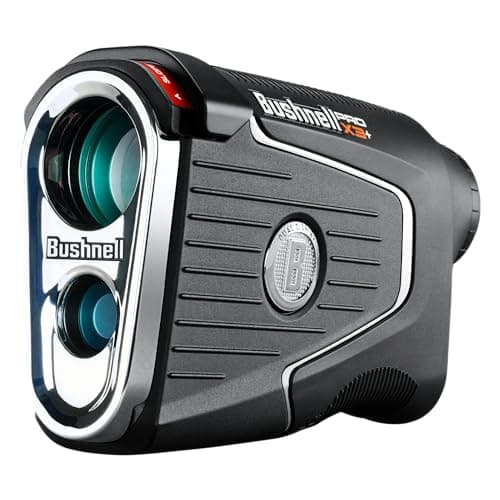
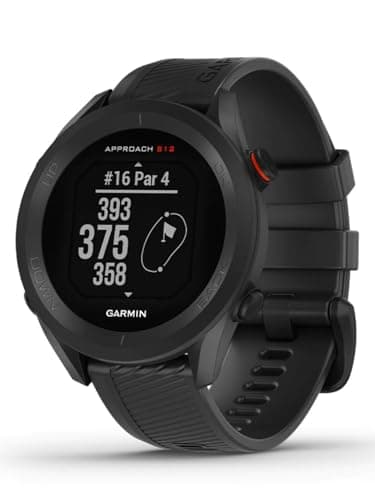
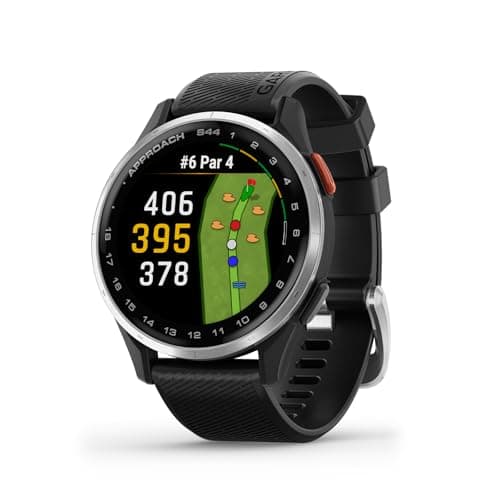
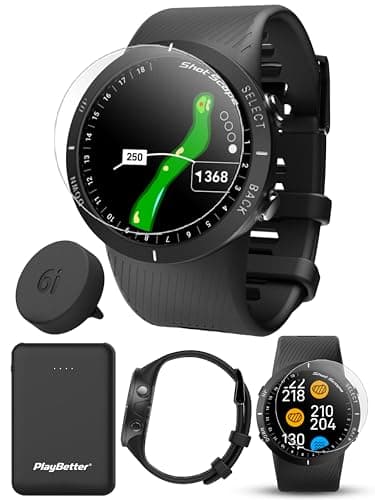
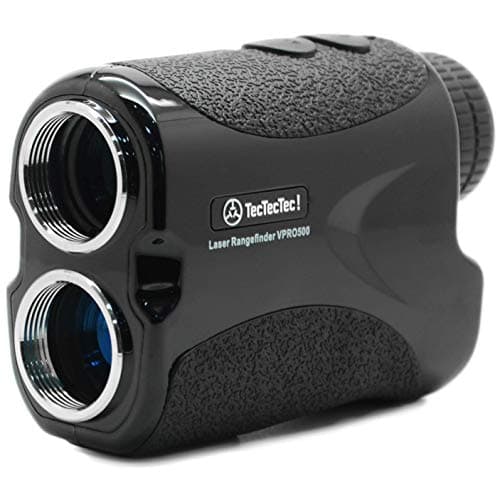
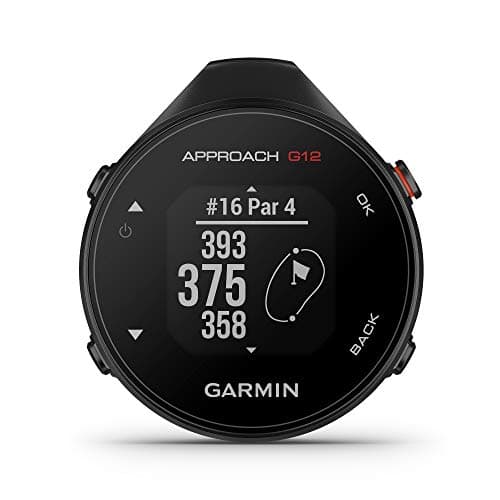
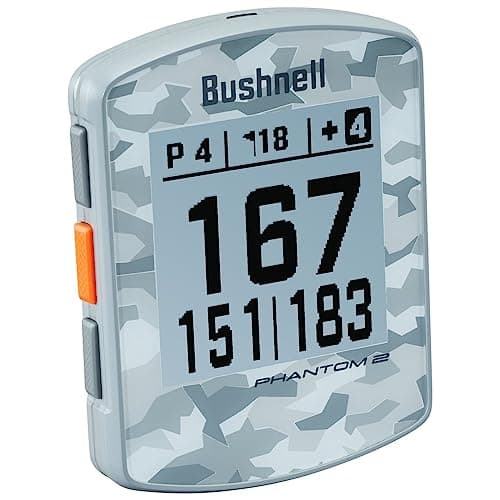
If you want the sharpest number to the flag, begin with the best rangefinders roundup; if you play hilly courses and want elevation help, the best slope rangefinders is built for you. Prefer a wrist-glance and pace-of-play? The best GPS watches roundup ranks the subscription-free field, and our Garmin Approach S12 reviewcovers the budget pick in detail — and the Garmin S44 review covers the color-touchscreen step up. Cross-shopping two lasers on price? Our Bushnell Pro X3+ vs Blue Tees Series 3 shows exactly what the premium buys. Want your stats tracked for free? The Shot Scope V5 review covers the GPS-plus-shot-tracking watch, and the TecTecTec VPRO500 review covers the cheapest real slope laser. Weighing the two big-brand lasers? Our Bushnell Tour V5 Shift review and Bushnell Pro X3+ review cover each on its own, and Tour V5 vs Pro X3+puts them head to head. Won’t wear a watch? The Garmin Approach G12 reviewcovers the clip-on GPS. And if you’re cross-shopping the two cheapest lasers, Nikon Coolshot 20 vs TecTecTec VPRO500 weighs always-legal against budget slope. On a tight budget, the best budget rangefinders roundup ranks the cheap lasers that still nail the core job, the TecTecTec ULT-S Pro reviewcovers the stabilized value slope laser — and if holding a laser steady is the problem in the first place, the best rangefinders for shaky hands ranks the three units that publish optical stabilization alongside the GPS route that removes the aiming task entirely, and Blue Tees Series 3 vs TecTecTec VPRO500 pits the two value slope lasers against each other. Cross-shopping two subscription-free GPS watches? Garmin S44 vs Shot Scope V5 weighs the everyday smartwatch against the free stat-tracker. Want the tiny always-legal laser? The Nikon Coolshot 20 GII review covers the no-slope compact, and Bushnell Tour V5 vs Nikon Coolshot 20 pits the premium laser against the budget one. Won’t wear a watch but want a bigger screen? The Bushnell Phantom 2 review covers the magnetic handheld GPS, and Garmin S12 vs G12 weighs the wrist watch against the clip-on, while Bushnell Phantom 2 vs Garmin G12 weighs the big-screen handheld against the tiny clip-on. Cross-shopping the premium laser and the value one? Bushnell Tour V5 vs Blue Tees Series 3 shows what the extra buys, and TecTecTec ULT-S Pro vs Blue Tees Series 3 pits the two value slope lasers against each other. Torn between slope value and always-legal simplicity? Blue Tees Series 3 vs Nikon Coolshot 20 weighs a switchable slope laser against a no-slope one. Want free shot tracking with your yardages? Garmin S12 vs Shot Scope V5 weighs the simple budget watch against the free stat-tracker. And if you want GPS rather than a laser and price is everything, the best budget golf GPSroundup ranks the cheap distance devices — watches, clip-ons and handhelds — that skip the yearly fee. Every roundup below names a “skip this” pick, shows a live price, and is honest about when the priciest device does nothing a value one wouldn’t.
Start here
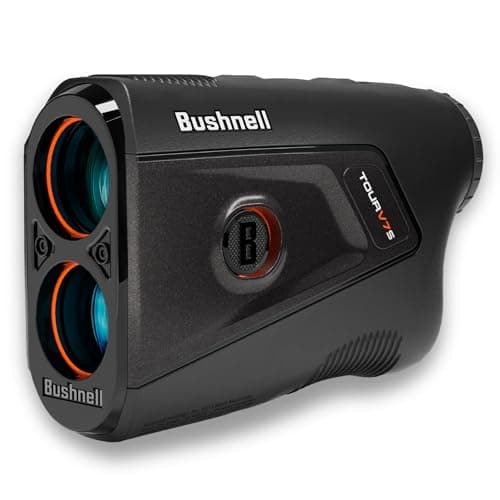
The Best Golf Rangefinders
The laser field ranked from best all-rounder to best value, with the slope question explained and a live price on every pick.
Read the guide →
Everything in this hub
All rangefinders & gps guides
Head to head
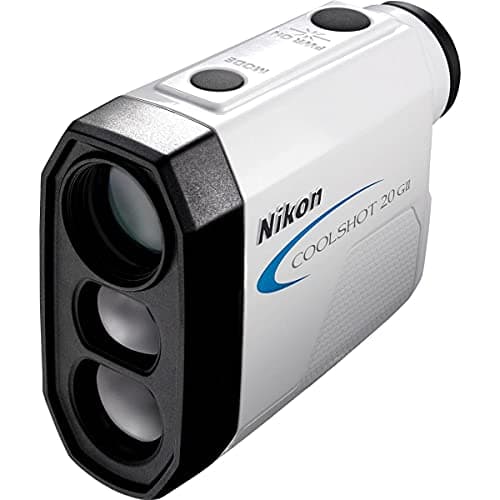
Nikon Coolshot 20 GII vs TecTecTec VPRO500
The always-legal, no-slope Nikon Coolshot 20 GII against the budget slope TecTecTec VPRO500 — same 6x value tier, so the decision comes down to whether you want elevation help or a laser with nothing to switch off.
Top pick · Nikon Coolshot 20 GII
Head to head
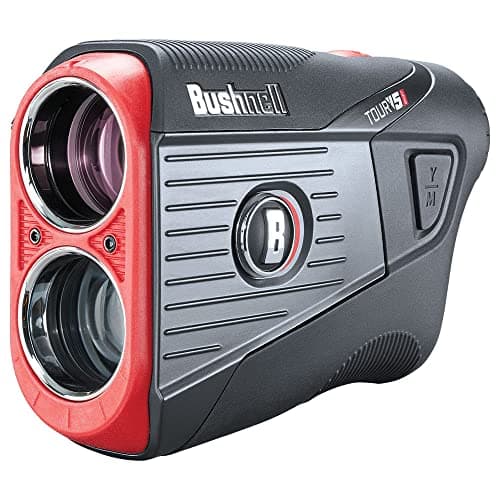
Bushnell Tour V5 Shift vs Nikon Coolshot 20 GII
The premium Bushnell Tour V5 Shift against the budget Nikon Coolshot 20 GII — both accurate 6x lasers, so the decision is JOLT lock confirmation, a magnet and switchable slope versus a tiny, always-legal, no-slope simplicity.
Top pick · Bushnell Tour V5 Shift
Head to head
Bushnell Tour V5 Shift vs Blue Tees Series 3 Max+
The premium Bushnell Tour V5 Shift against the value Blue Tees Series 3 Max+ — both 6x lasers with switchable slope and a magnet, so the decision is JOLT lock confirmation and crisper glass versus a much lower price.
Top pick · Bushnell Tour V5 Shift
Head to head
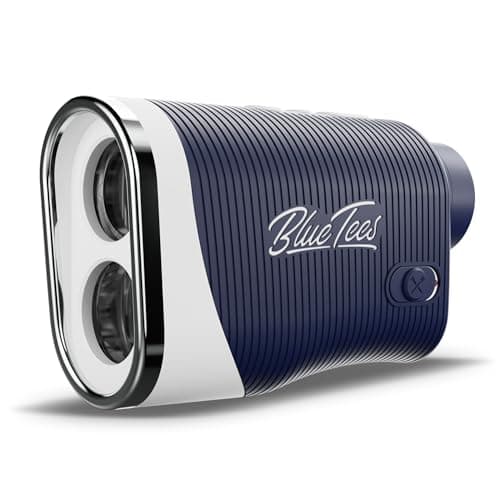
Blue Tees Series 3 Max+ vs Nikon Coolshot 20 GII
The Blue Tees Series 3 Max+ with switchable slope and a magnet against the no-slope, always-legal Nikon Coolshot 20 GII — both accurate 6x lasers, so the decision is elevation help versus zero rules risk and pocketability.
Top pick · Blue Tees Series 3 Max+