The Practice
Training Aids
The category with the highest ratio of gimmick to genuine help in all of golf. Our whole job here is telling you which is which.
We earn a commission when you buy through our Amazon links, at no extra cost to you. It never changes our rankings — and we'll tell you when the cheaper ball or club is the better buy. How this works.
No corner of golf gear is sold on more hope and less evidence than training aids. The rack is full of gadgets promising to fix your slice in a week, and most of them won’t touch it. The handful that genuinely work all share one trait — they give you immediate, unambiguous feedback on something you actually did — and the ones that don’t are selling a “feel” you can’t take to the first tee. That line is how we rank this whole category.
The one distinction that matters: feedback vs feel
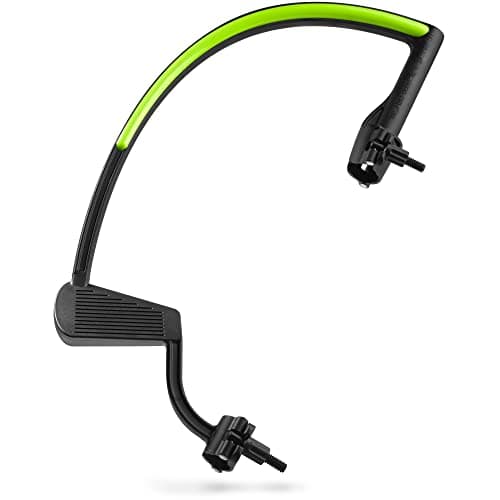
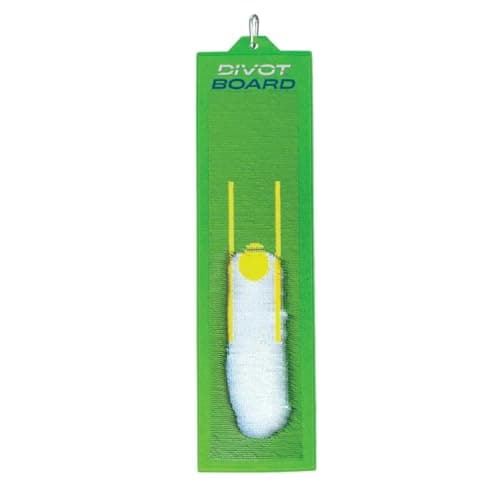
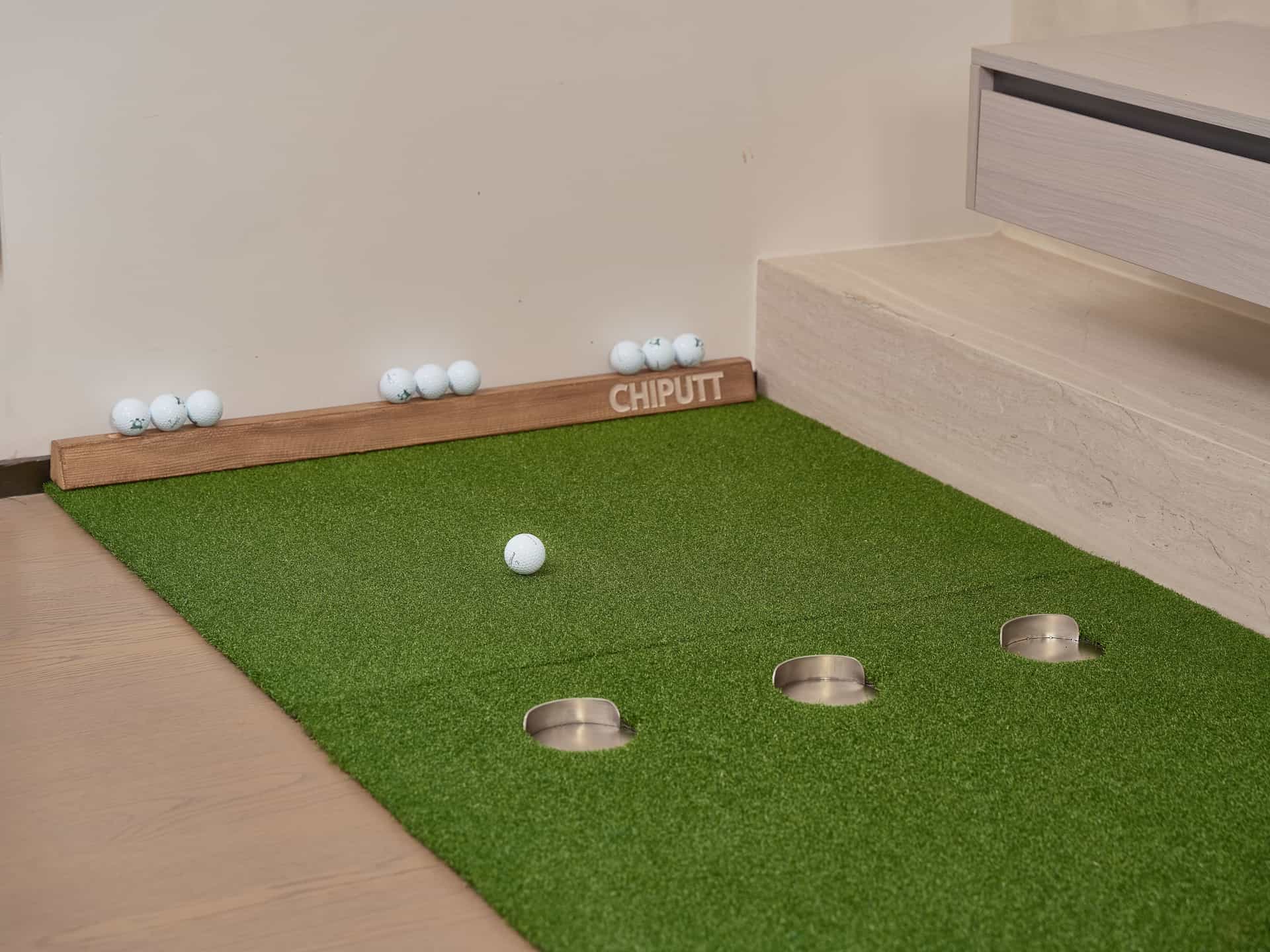
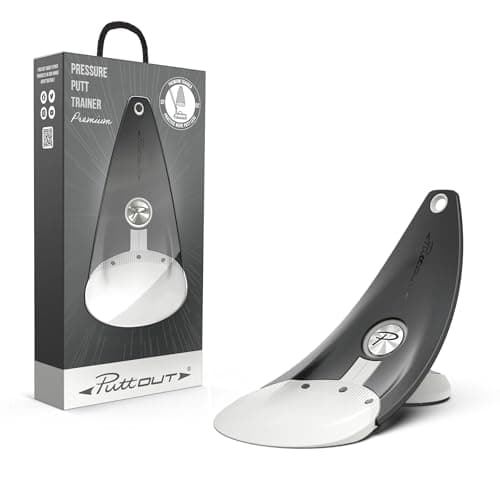
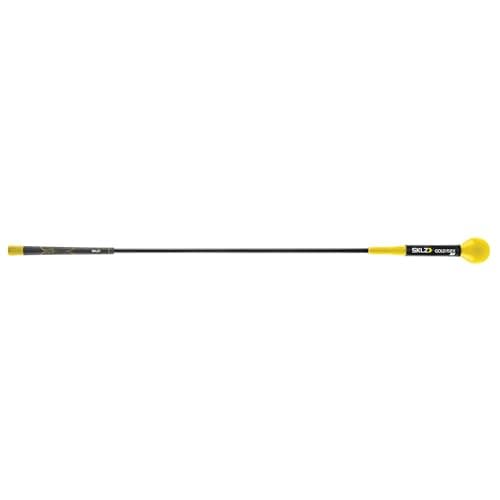
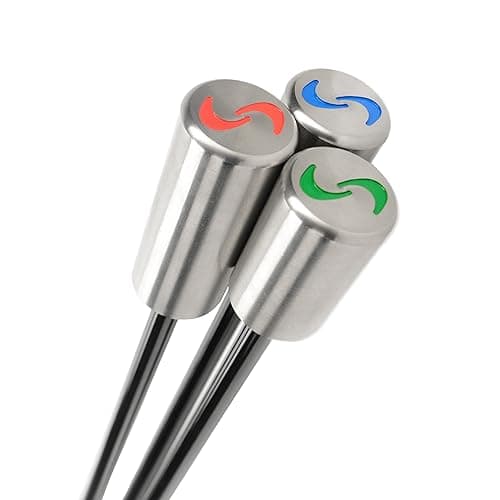
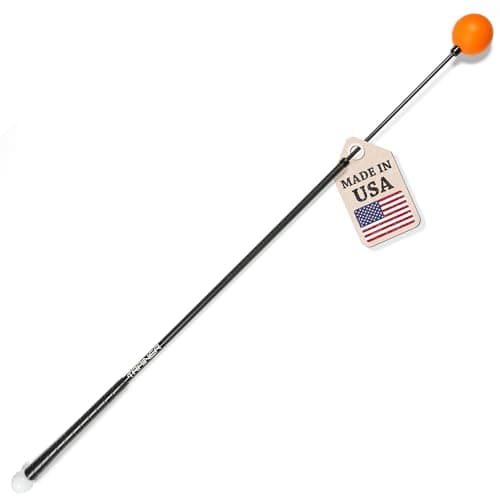
Ignore the marketing for a moment. The single thing that separates a training aid that works from one that gathers dust is whether it tells you what you did. A feedback aid gives you an honest, physical read on a fault: the Divot Board shows where your club bottomed out, The Hanger presses your forearm the instant the face is open, the PuttOutreturns the ball only if your pace was right. You can’t argue with any of them. A feel trainer— a weighted tempo stick like the Orange Whip or the cheaper SKLZ Gold Flex, a molded grip — reinforces a sensation but never says whether you got it right. Feel trainers aren’t useless (a tempo tool is a fine warm-up), but they can’t diagnose a fault, and a fault you can’t see is a fault you won’t fix.
Start with your miss, not the gadget
The mistake almost everyone makes is buying the aid before naming the problem. A connection ball does nothing for a path fault; a speed stick can make a slice worse. Work out your miss first — is the ball starting left and curving right (an over-the-top path and open face), are you hitting it fat and thin (a low-point problem), or is it a putting speed issue? Then buy the tool that gives feedback on that. Our honest answer to whether training aids work walks through the logic, and if the slice is your enemy, the slice-fixing guidenames the aids that address its real causes rather than its symptoms — and if you fight the opposite miss, the hook-fixing guide does the same for a hook. Chunking it fat and thin instead? The fat-shot guide targets the low-point problem behind both. And if the ball fires off the hosel, the shank-fixing guide has the free drill that cures most of them.
The cheapest tool is often the best
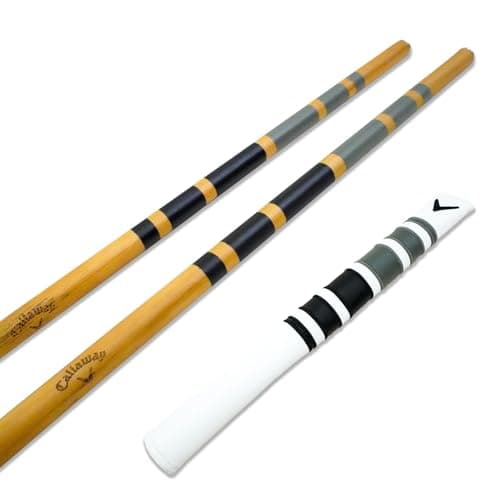
The most-used training aid on any tour range costs about ten dollars: a pair of alignment sticks. They drill alignment, ball position, swing path and plane, and they give you instant visual feedback for the price of a sleeve of balls. Before you spend real money on a single-purpose gadget, learn what one cheap tool can do — our alignment stick drills are free to practice and genuinely useful, and the full Callaway alignment sticks review weighs whether a purpose-made pair is worth a few dollars over a generic rod. It is the honest first purchase for almost every golfer.
The gimmicks to skip
Plenty of aids are solutions looking for a problem. Static grip molds set your hands at address and teach nothing about what they do at speed. Rigid “swing plane” harnesses force a shape you can’t reproduce once you take them off. Anything that promises a one-week fix or does the swing foryou tends to build a dependency, not a skill. We say so plainly — every roundup here names a “skip this” pick, and every product page carries an honest “don’t buy if” line, because pretending a gadget works when it doesn’t is exactly the reviewing we started this site to avoid.
Where to start
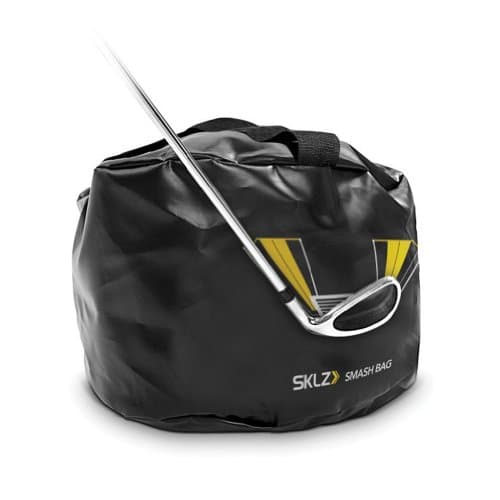
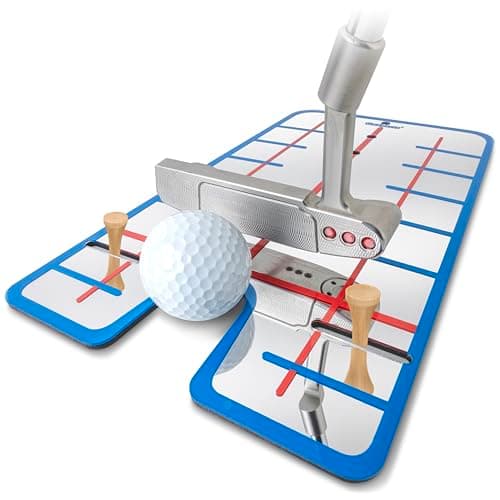
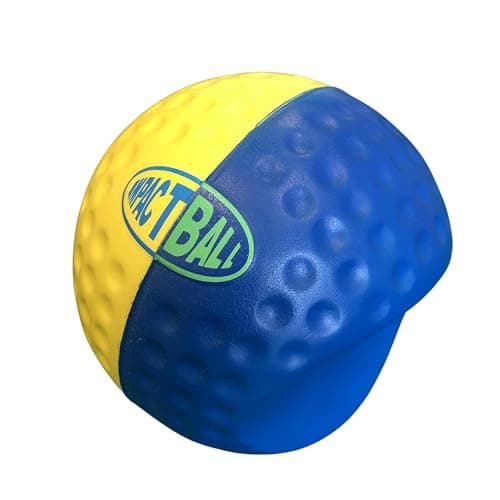
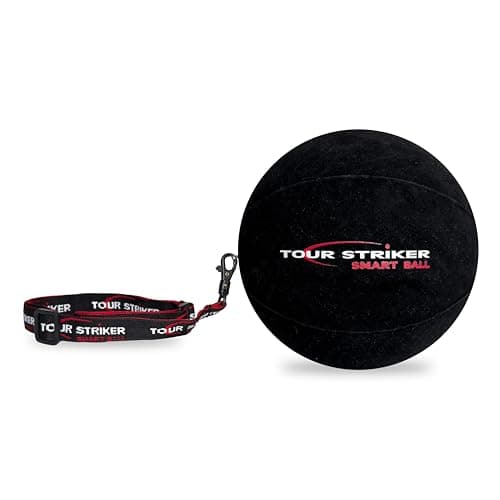
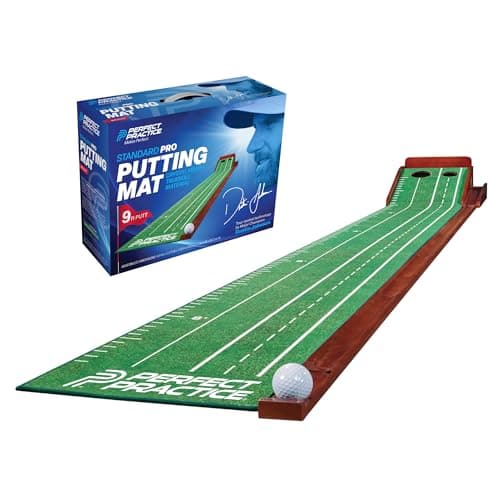
If you want the broad field, the best golf training aids roundup ranks the lot by who each one is for. New to the game? The best training aids for beginners picks the cheap, fundamental tools worth owning first. If you’re a skeptic — and you should be — the list of aids that actually work is the shortlist of tools with real, immediate feedback. Working on your swing shape? Start with the swing-plane roundup. Leaking strokes on the greens? The GoSports putting mirror review sharpens your setup and eye-line, and the PuttOut vs GoSports mirror comparison decides which putting aid your stroke actually needs. Chasing a cleaner strike at the moment of truth? The best impact training aidsrank the tools that teach a ball-first, square hit — and the SKLZ Smash Bag reviewcovers the cheapest way to feel it; if it’s rhythm you’re after, the best swing tempo trainers cover the weighted sticks worth owning (and the one overspeed system that actually adds speed); and if a slice or a cupped lead wrist is your fault, the Hanger reviewmakes the case for the aid built to fix it. If your arms and body come apart in the swing, the connection trainers each get a full, honest look — the Tour Striker Smart Ball review and the Impact Ball reviewweigh the two against each other and against a free towel drill — and if it is raw clubhead speed you are chasing rather than a fault to fix, the SuperSpeed review is candid about what an overspeed system genuinely adds and what it demands in return, and the SuperSpeed vs Orange Whip comparison settles whether you should chase speed or smooth your tempo first. Every page shows a live price, names a pick to skip, and links to the drill you might do for free instead.
Start here
The Best Golf Training Aids
The whole field ranked by whether the aid gives real feedback or just a feel, with a live price on every pick and a gimmick category to skip.
Read the guide →
Everything in this hub