The Sticks
Golf Clubs
The most over-bought category in golf. We rank complete sets, irons, drivers and wedges by who they're actually for — and show what you can safely not spend.
We earn a commission when you buy through our Amazon links, at no extra cost to you. It never changes our rankings — and we'll tell you when the cheaper ball or club is the better buy. How this works.
Golf clubs are the most over-bought category in the game. The marketing sells last year’s tour player two more yards you will not gain, and it works — golfers spend more here, and more often, than anywhere else in the bag. We do the opposite of the ad: we rank complete sets, drivers, irons and wedges by handicap band, work out what a sensible bag actually costs, and say plainly when used beats new and when a single wedge fixes more than a new driver ever will.
Start with a complete set, not fourteen separate clubs
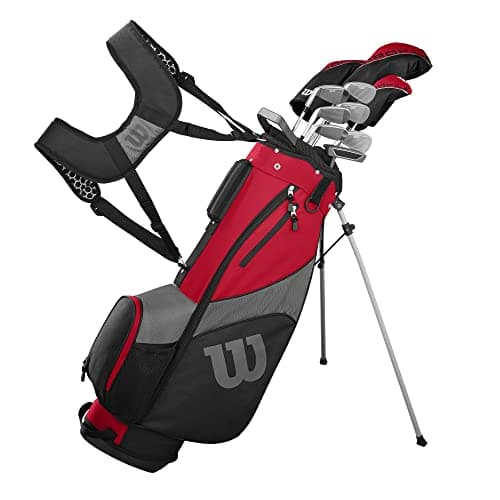
If you’re new, the right first buy is a boxed complete set — driver, a fairway or hybrid, irons, a putter and a bag, matched and built to one budget. Piecing together fourteen individual clubs as a beginner costs more, takes longer, and leaves you with a bag of clubs too demanding to learn on. A game-improvement set like the beginner sets we rank here gets you playing tomorrow, and you replace the pieces you outgrow — usually the long clubs first — as your swing earns them. Not sure what actually belongs in a first bag? Our guide to what clubs a beginner needsbreaks it down club by club — and why you don’t need all fourteen.
Forgiveness or “players” clubs — pick the honest one
Almost every club divides into two camps: game-improvement (and super-game-improvement) gear that hides mishits with wide soles, offset and perimeter weighting, and “players” gear that trades that help for feedback and shot-shaping. The honest truth is that most golfers — including plenty who’d never admit it — score better with forgiveness. A blade looks great in the bag and punishes every strike that isn’t centered. Buy the clubs that flatter your actual miss, not the ones the low-handicapper in your group plays. There is no vanity prize for a hard-to-hit set, and the better players in your Saturday four-ball are almost certainly carrying more forgiveness than they let on — a wide-soled iron and a high-launch driver are not a confession, they are a lower score. We lay out that trade-off, iron by iron, in cavity-back vs blade irons.
What actually decides the price
Two things move a club’s price more than performance does: how new it is, and whose name is on it. A current-season driver from a major brand carries a premium that has little to do with how far you’ll hit it; the same head one or two model years old is often a third less. Materials and forgings matter at the top of the market, but for most golfers the bigger money question is new versus used and set versus single clubs. The shaft and the fit move your scores more than the badge on the head, and both cost far less than chasing this season’s release — which is why choosing graphite or steel shafts matters more than the model year on the box. Our cost guidelays out sensible budget tiers — and if $500 is your ceiling, the best golf clubs under $500shows exactly where that budget goes furthest — while the used-versus-new guideshows where second-hand is the smart play and where it isn’t.
The mistake almost everyone makes
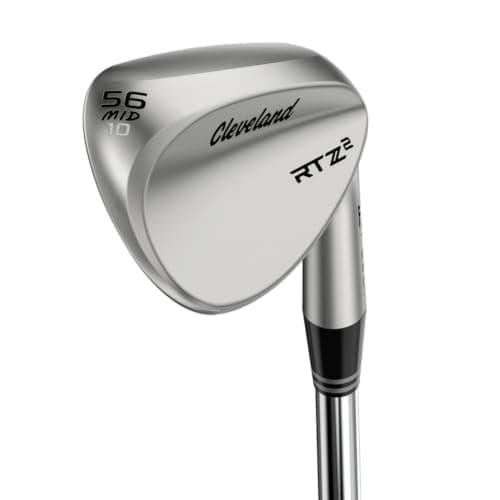
It’s buying a new driver to chase distance when the shots are leaking away around the green. For most amateurs, a wedge you can chip and pitch with — or a lesson — returns more strokes than any driver on the market, and costs a fraction as much. If you chunk your chips, a forgiving or anti-chunk wedge from the wedge roundup will do more for your card this weekend than ten yards off the tee you may not even find. Spend where the strokes actually are, not where the advertising points.
Where to start
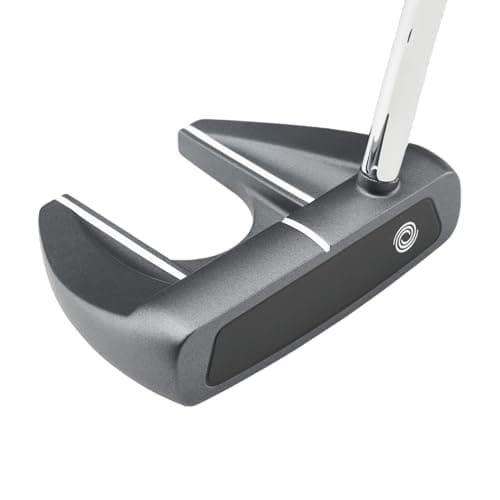
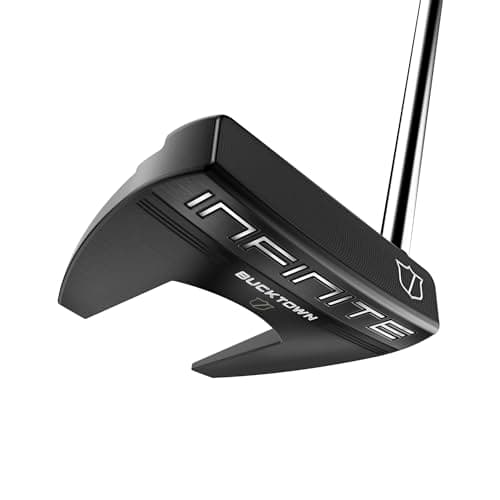
Shopping a putter? Settle the head-shape question first in mallet vs blade putter. Hands that sweat or a swing that has slowed? We rank the grip field for moisture in best golf grips for sweaty hands, and the long clubs for a slower swing in best fairway woods for seniors and best golf hybrids for seniors.
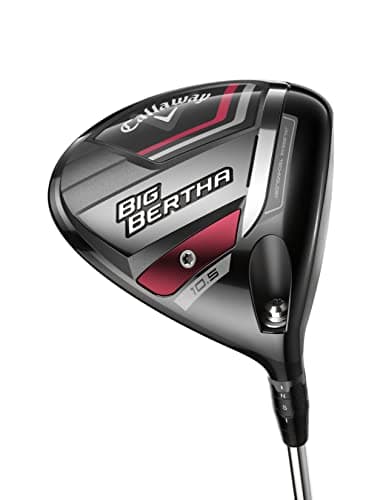
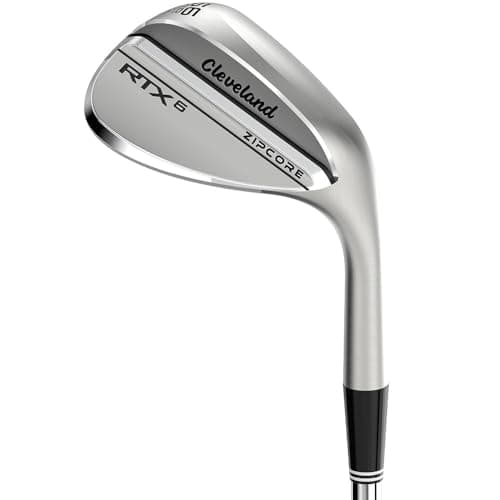
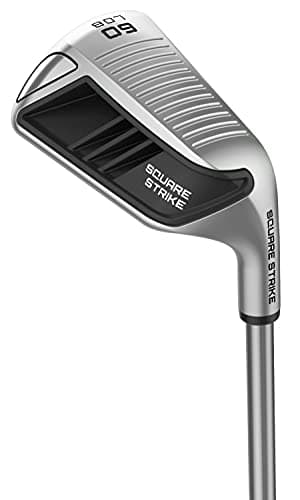
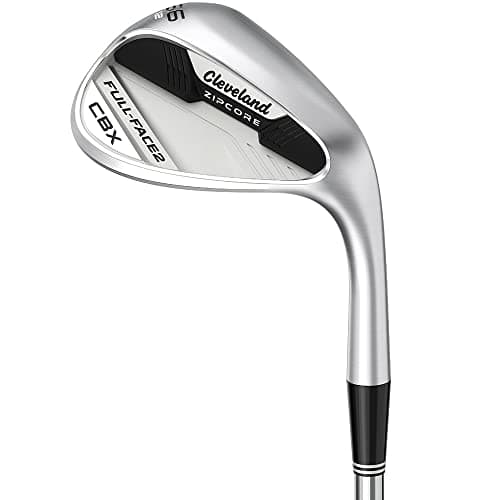
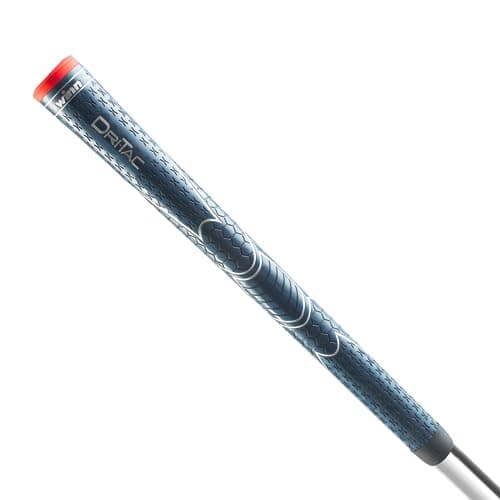
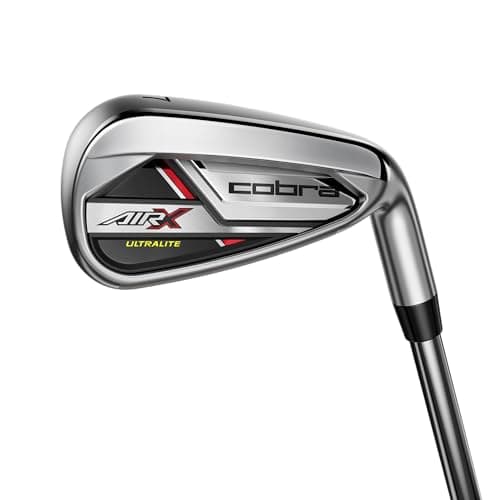
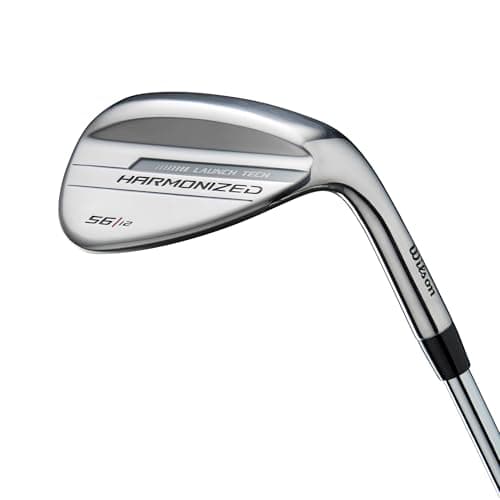
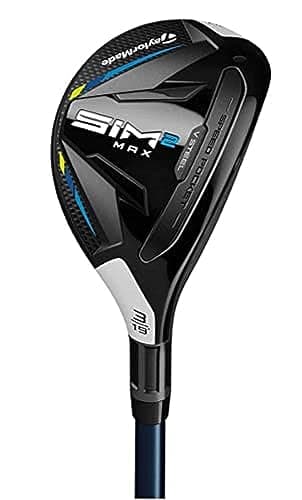
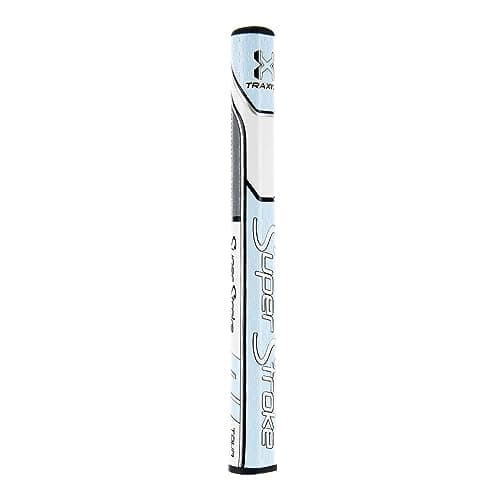
New to the game? The beginner set roundupis built for you — and the two most-shopped complete sets go head to head in Strata vs the Profile SGI. When it’s the irons you want to upgrade, the best irons for beginnersranks the most forgiving sets by who each suits — or, once you’ve outgrown a boxed set, the best game-improvement ironsranks the forgiving sets to move up to — and once you’re playing off a 10-to-18 handicap, the best irons for mid-handicappers ranks the sets that keep the forgiveness without the strong lofts and shovel soles. If the choice has come down to the two biggest names, Callaway vs TaylorMade ironsputs Elyte against Qi Max and Paradym Ai Smoke against Qi on published lofts, set composition and live price — with the super-forgiving Wilson Launch Pad 2 review for the golfer who just needs to get the ball airborne, the lightweight, slice-fighting Cobra Air-X 2 irons reviewed on their own and the two forgiving sets weighed up in Launcher XL Halo vs the Air-X irons— and when the long irons are the problem, the best golf hybrids ranks the easy-launching heads that replace them, reviewed in full in our Cleveland Launcher Halo XL hybrid review — with the premium TaylorMade SIM 2 Max Rescue and the value Callaway Big Bertha hybrid each reviewed on their own, and the two forgiving rescues head to head in Launcher Halo XL vs the SIM 2 Max — and for the same yardage gap from a good lie or a tee, the best fairway woods ranks the field on the loft and shaft weight you can actually launch off the ground. Swing slowing down? The best golf clubs for seniors picks the lightweight, graphite, high-launch gear for every part of the bag. Chasing the tee shot? Start with the driver roundup, or if you’re new to the game, the best golf drivers for beginners picks the forgiving, easy-launch heads built for a first swing. Slice it? The best drivers for slicersranks the draw-biased and offset heads by how much they correct and whether you can turn it down — or read a single head in full in our Cleveland Launcher XL 2 review and Callaway Big Bertha review, or the two forgiving heads head to head in Big Bertha vs the Launcher XL 2— or, for a slower swing that needs height, the Wilson Dynapower review— or that high-launch head against the adjustable Cleveland in Dynapower vs the Launcher XL 2 — with the lightweight, anti-slice women’s Wilson DYNAPWR Max Lite reviewed for a slow swing that leaks right — and if your swing has slowed, the best drivers for a slow swing speed ranks the whole field on loft, weight and flex. Losing shots around the green? The wedge roundup and our tour-versus-game-improvement wedge comparison sort out which wedge suits your strike, the Cleveland RTX 6 review takes the tour blade on its own and the Cleveland CBX Full-Face review the forgiving one, the Square Strike vs CBX comparison settles which one fixes a chunked chip, and the best wedges for beginnersranks the forgiving picks for a new short game, and the budget 56° gets its own Wilson Harmonized wedge review. And before you spend, two honest reads: how much you actually need to spend and how often to regrip your clubs — the cheapest upgrade in golf, with the grips themselves ranked here by whose hands and which weather they suit, the same field cut by tacky, corded or soft feel, Golf Pride’s measurement and chart in our golf grip size guide, and the whole job done at home in how to regrip golf clubs— with a dedicated best grips for arthritis pick for aching hands, the two softest comfort grips weighed up in Winn Dri-Tac vs the Golf Pride CP2 Pro and the one upgrade for the putter in our SuperStroke Traxion Tour grip review — with the putters themselves ranked by stroke fit, aim and face in the best golf putters roundup— or the two most-fitted grips head to head in Tour Velvet vs the MCC Plus4. The other thing your hands actually touch — the glove — is ranked the same way in the best golf gloves roundup, by feel, weather and budget, and the everyday-versus-premium call is settled in FootJoy WeatherSof vs the Titleist Players glove — with the value synthetics compared in Callaway Weather Spann vs the WeatherSof, the softest premium leather reviewed in our FootJoy StaSof review, and the wear signs that mean it is done in when to replace a golf glove. Every roundup below names a “skip this” pick and shows a live price, so you always know the cheaper answer when there is one.
Start here
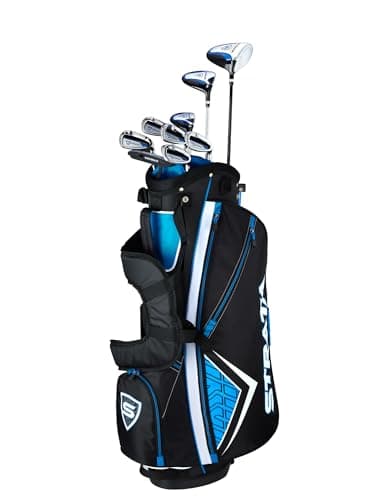
The Best Golf Clubs for Beginners
Complete boxed sets — driver, irons, putter and bag — ranked for a new golfer, with the reason to buy a set instead of piecing one together.
Read the guide →
Everything in this hub
All golf clubs guides
Roundup
The Best Golf Clubs for Beginners
Complete boxed sets — driver, irons, putter and bag — ranked for a new golfer, with the reason to buy a set instead of piecing one together.
Top pick · Callaway Strata Complete 12-Piece Set (Men's)
Roundup
The Best Golf Drivers for Beginners
Forgiving, easy-launching drivers ranked for a brand-new swing — a major-brand winner to grow into, a high-launch value pick, two anti-slice options and the honest 'get it in a set first' answer.
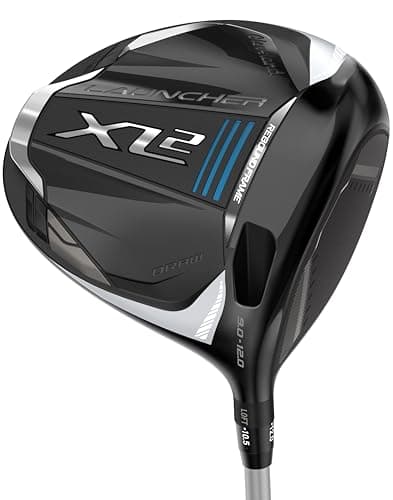
Top pick · Cleveland Launcher XL 2 Driver (Graphite, 10.5°, Regular)
Roundup
The Best Golf Irons for Beginners
Game-improvement and super-game-improvement iron sets ranked for a new golfer — an all-round winner, a max-forgiveness pick, an anti-slice set and the cheapest honest way to start, with live prices and a pick to skip.
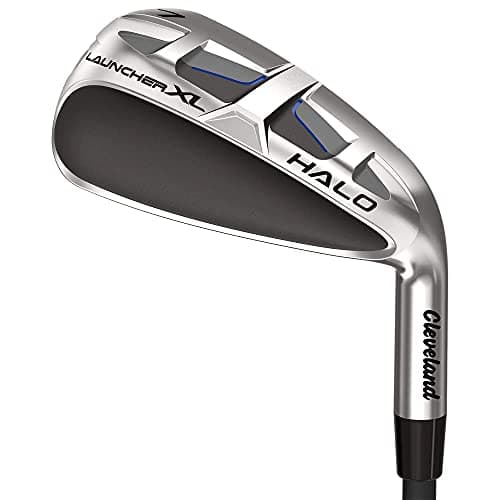
Top pick · Cleveland Launcher XL Halo Irons (Men's, Graphite, 5-DW)
Roundup
The Best Golf Clubs for Seniors
Lightweight, graphite, high-launch and forgiving clubs ranked for a senior game — irons, driver, a complete set and a forgiving wedge — with the honest 'skip this' and live prices.
Top pick · Cleveland Launcher XL Halo Irons (Men's, Graphite, 5-DW)
Head to head
Cleveland Launcher XL Halo vs Wilson Launch Pad Irons
The game-improvement Cleveland against the super-game-improvement Wilson — both forgiving graphite sets, compared on launch, forgiveness and room to grow.
Top pick · Cleveland Launcher XL Halo Irons (Men's, Graphite, 5-DW)
Roundup
The Best Golf Gloves
Leather, synthetic and rain gloves ranked by whose hands and which weather they suit — plus how to size a glove, which hand to buy, and what actually wears one out.
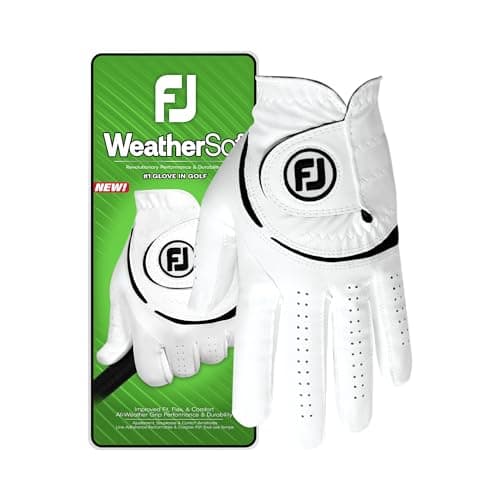
Top pick · FootJoy WeatherSof (Men's, Worn on Left Hand)
Roundup
The Best Golf Hybrids
Game-improvement hybrids ranked by how easily they launch and how much they forgive — plus which loft replaces which long iron, and the honest cost of fixing the ugliest gap in most bags.
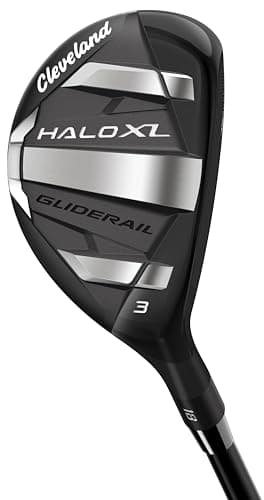
Top pick · Cleveland Launcher Halo XL Hybrid (Graphite, 21°)
Model review
Cleveland Launcher XL 2 Driver Review
Cleveland's oversized game-improvement driver, reviewed honestly — the highest-MOI head they say they've built, why it flatters a mishit, and the ball-strikers who'll want less club.
Top pick · Cleveland Launcher XL 2 Driver (Graphite, 10.5°, Regular)
Head to head
FootJoy WeatherSof vs Titleist Players Glove
FootJoy's durable WeatherSof hybrid against Titleist's ultra-thin cabretta Players glove — which suits an everyday golfer, which suits a feel player who'll baby it, and when to buy neither.
Top pick · FootJoy WeatherSof (Men's, Worn on Left Hand)
Model review
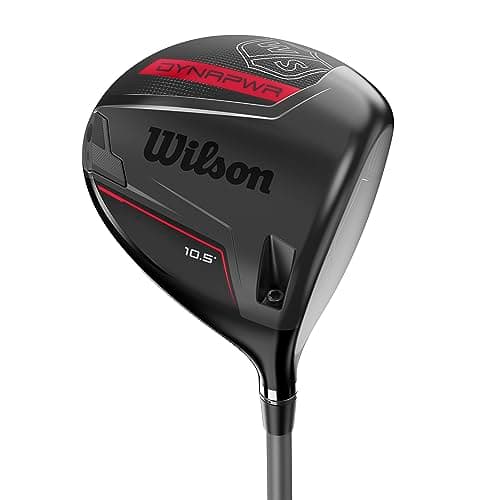
Wilson Dynapower Driver Review
Wilson's forgiving, rear-weighted Dynapower driver, reviewed honestly — why this specific high-launch 13-degree, Regular-flex listing suits a moderate or slower swing, and the faster player who wants a lower loft.
Top pick · Wilson Dynapower Driver (13°, Regular)
Model review
Cleveland Launcher Halo XL Hybrid Review
Cleveland's game-improvement Launcher Halo XL hybrid, reviewed honestly — how the Gliderail sole and high MOI make the 21° head so easy to launch, what it replaces, and the ball-striker who wants a more compact rescue.
Top pick · Cleveland Launcher Halo XL Hybrid (Graphite, 21°)
Model review
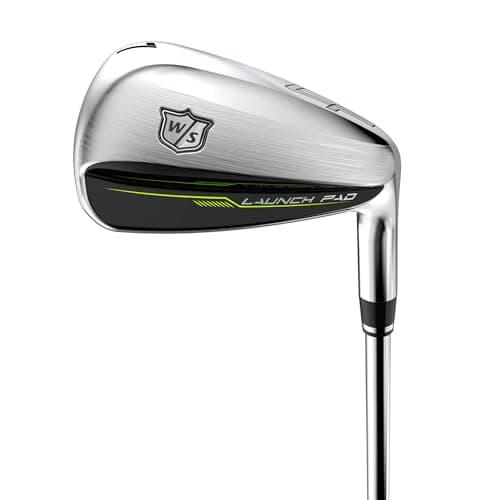
Wilson Launch Pad 2 Irons Review
Wilson's super-game-improvement Launch Pad 2 irons, reviewed honestly — how the hollow-body, draw-biased graphite set maximizes launch and forgiveness for a struggling ball-striker, and the better player who wants a compact cavity-back.
Top pick · Wilson Launch Pad 2 Irons (Men's, Graphite, 5-PW+GW)
Roundup
Best Game-Improvement Irons
The forgiving cavity-back and super-game-improvement iron sets to upgrade to — ranked by forgiveness and launch, with the miss each one is built to fix and a live price on every pick.
Top pick · Cleveland Launcher XL Halo Irons (Men's, Graphite, 5-DW)
Head to head
Wilson Dynapower vs Cleveland Launcher XL 2
A high-launch 13-degree Wilson against the adjustable, high-MOI Cleveland — head to head on launch, adjustability and value.
Top pick · Cleveland Launcher XL 2 Driver (Graphite, 10.5°, Regular)
Model review
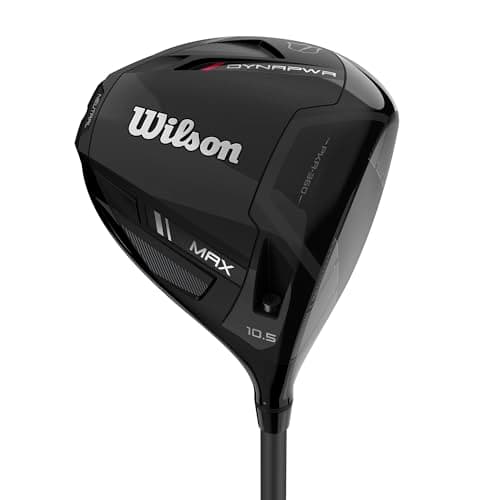
Wilson DYNAPWR Max Lite Driver Review
Wilson's lightweight, draw-biased DYNAPWR Max Lite reviewed honestly — the slice-fighting, slow-swing pick, why the light build helps, what the adjustable hosel adds, and the faster swing it isn't for.
Top pick · Wilson DYNAPWR Max Women's Driver Lite (12°)
Head to head
Cleveland Launcher XL Halo vs Cobra Air-X Irons
The all-round game-improvement Cleveland set against the anti-slice Cobra, head to head — forgiveness, launch and the miss each one is built to fix.
Top pick · Cleveland Launcher XL Halo Irons (Men's, Graphite, 5-DW)
Head to head
Callaway Strata vs Wilson Profile SGI
The top two complete beginner sets weighed head to head — forgiveness, fit and value, and which box is the smarter first buy for you.
Top pick · Callaway Strata Complete 12-Piece Set (Men's)
Head to head
Cleveland Launcher Halo XL vs SIM 2 Max Rescue
The winning game-improvement hybrid against the premium TaylorMade rescue, head to head — easy launch versus a touch more control.
Top pick · Cleveland Launcher Halo XL Hybrid (Graphite, 21°)
Model review
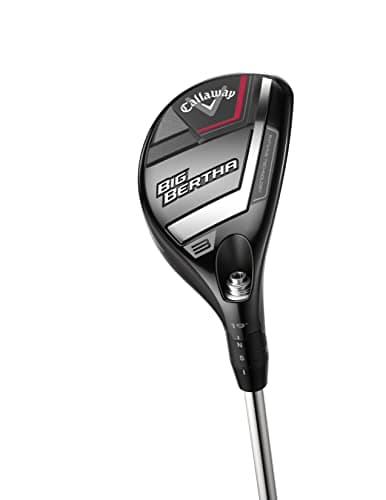
Callaway Big Bertha Hybrid Review
Callaway's value, anti-slice 5-hybrid reviewed honestly — the AI face and offset that straighten a slice, and the golfer who'll want more workability instead.
Top pick · Callaway Big Bertha Hybrid (2023, Graphite, 5H)
Head to head
Callaway Weather Spann vs FootJoy WeatherSof
The value synthetic against the best-selling all-rounder, head to head — grip, feel, durability and price, and which glove is the smarter buy for you.
Top pick · FootJoy WeatherSof (Men's, Worn on Left Hand)
Roundup
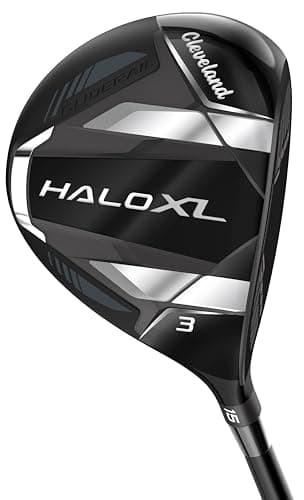
The Best Fairway Woods
Fairway woods ranked by the loft and weight that suit a real amateur swing: the all-round pick, the biggest and most forgiving head, the lightweight build for slow swings, a 22° seven-wood, the adjustable premium option and an honest budget club — each with a 'skip this if' and a live price.
Top pick · Cleveland Launcher Halo XL Fairway Wood (3 Wood, Regular)
Reference
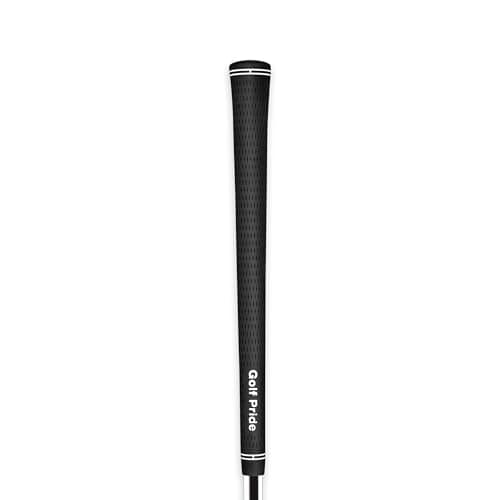
Golf Grip Size Chart and Fitting Guide
Golf Pride's published grip size chart — hand length and glove size mapped to undersize, standard, midsize and jumbo — plus how to measure, what .580 vs .600 cores do to the feel, and how build-up tape fits the hands that fall between sizes.
Top pick · Golf Pride Tour Velvet (Standard)
Buyer's guide
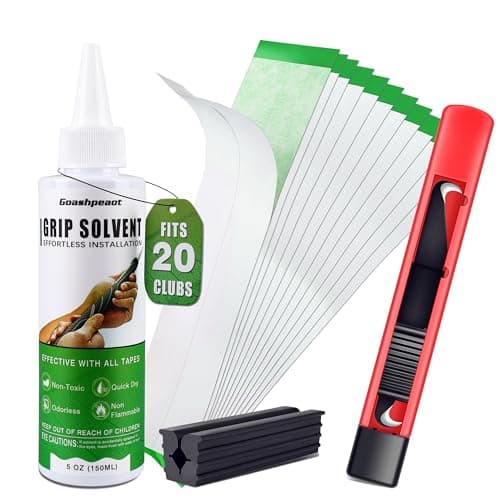
How to Regrip Your Golf Clubs at Home
The full at-home regripping kit with live prices, Golf Pride's published installation method step by step, the three-to-four-hour cure time before you play, and the honest math on when a shop is the better buy.
Top pick · Goashpeaot Golf Club Regripping Kit (solvent, tape, hook blade, vise clamp)
Buyer's guide
When Should You Replace a Golf Glove?
The wear signs that mean a golf glove is done, how long leather and synthetic realistically last, the rotation habit that doubles glove life, and the quick test for whether the slipping is the glove or the grip underneath.
Top pick · FootJoy WeatherSof (Men's, Worn on Left Hand)
Roundup
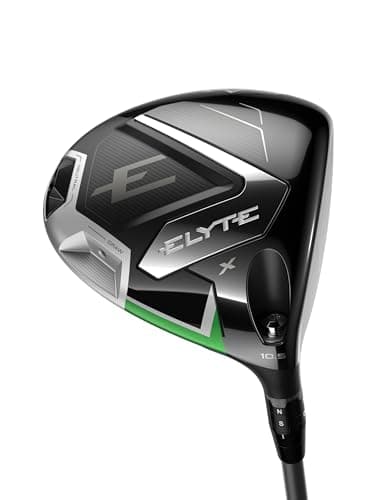
The Best Drivers for Slicers
Draw-biased and offset drivers ranked for the golfer whose miss is a slice — how much each head corrects, whether the correction is fixed or adjustable, the light value build, the budget offset head, and the older flagship to skip at today's price.
Top pick · Callaway Elyte X Driver (10.5°, Regular, Denali Charcoal 50 g)
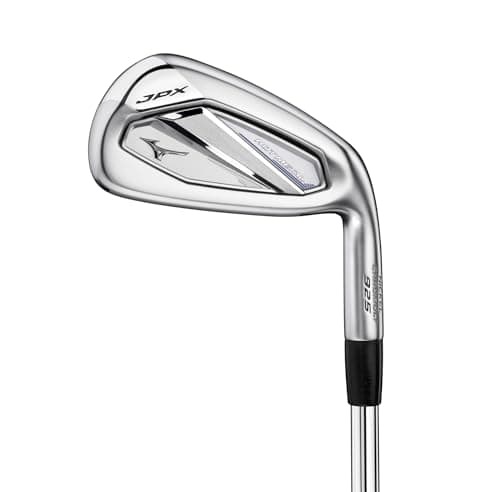
Roundup
The Best Irons for Mid-Handicappers
Iron sets ranked for a 10-18 handicap — forgiveness you can still use, honest loft gapping into a wedge, the discounted previous-generation value buy, the cheapest legitimate major-brand set, the current model, and the forged set most of this band should skip.
Top pick · Mizuno JPX925 Hot Metal Irons (5-GW, Steel, Regular)
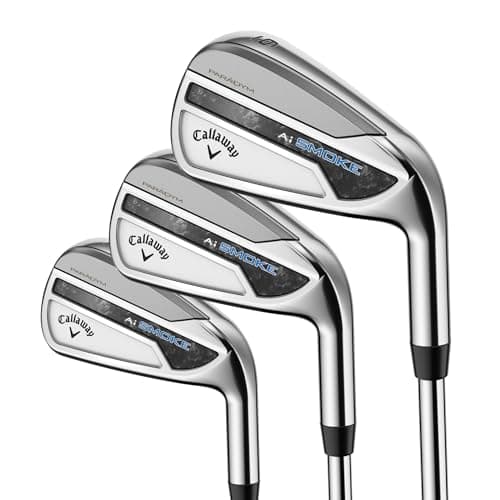
Head to head
Callaway vs TaylorMade Irons
Elyte vs Qi Max, Paradym Ai Smoke vs Qi — current against current and last season against last season, compared on published lofts, set composition and what each brand actually claims.
Top pick · Callaway Paradym Ai Smoke Irons (Right Hand, 5-PW, Steel, Regular)
Roundup
The Best Golf Irons for Seniors
Graphite-shafted and ultralight-steel iron sets ranked for a slower swing — the total-weight argument, the loft-and-launch math, and why a 7-iron number means nothing across two sets.
Top pick · Cleveland Launcher XL Halo Irons (Men's, Graphite, 5-DW)
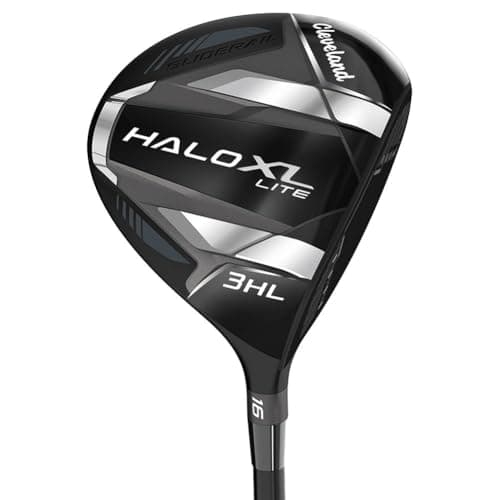
Roundup
The Best Fairway Woods for Seniors
Loft, total weight and shaft weight decide this club for a slower swing. Four picks ranked on those three numbers, including the seven-wood most amateurs should own and almost nobody buys.
Top pick · Cleveland Halo XL Lite Fairway Wood (3HL, Senior)
Roundup
The Best Golf Hybrids for Seniors
Four hybrids ranked for a slower swing on launch, weight and draw bias — plus which long irons to actually take out of the bag, and the one pick sold under a label that puts people off.
Top pick · Cleveland Launcher Halo XL Hybrid (Graphite, 21°)