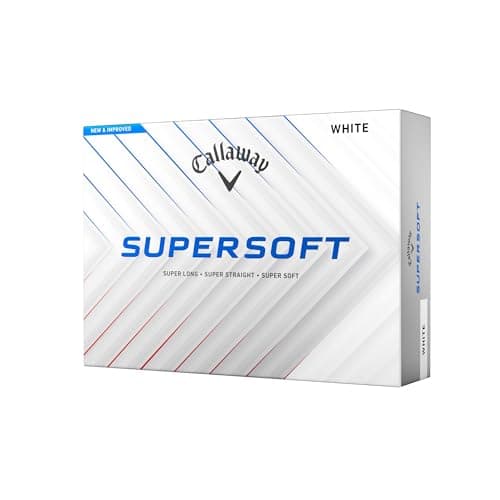
The best golf ball for a beginner is almost never the one the pros play. When you’re starting out, the ball needs to do three unglamorous things well: fly straight, feel soft, and cost little enough that losing a sleeve doesn’t ruin your afternoon. The Callaway Supersoft leads here because it does all three — very low compression that a new swing can flatten, a straight flight that forgives a slice, and a price you won’t mourn in the trees.
Every ball below is a value ball with a durable ionomer cover, not a soft urethane tour ball. That is the correct trade for a beginner: you gain straightness, distance and durability, and you give up greenside spin you aren’t generating yet. If you want to understand the cover material behind that choice, the best golf balls roundup lays out urethane vs ionomer in full.
What actually matters when you’re starting out
We ranked these on the things a new golfer feels on the course, in this order. First, straightness— a low-spin, forgiving ball curves less, so a slice stays in play instead of sailing out of bounds. Second, low compression— a soft ball flattens more easily at a moderate swing speed, and that compression is where a beginner’s distance actually comes from; a firm tour ball just sits there and robs you of yards. Third, cost per ball — you will lose golf balls this year, so a ball you can shrug off losing is the honest buy. Fourth, durability— a tougher cover survives cart paths and thin wedge strikes without scuffing. The one thing we deliberately did notweight heavily is greenside spin: until you’re flying wedges to a target, spin is a benefit you’re paying for and can’t use.
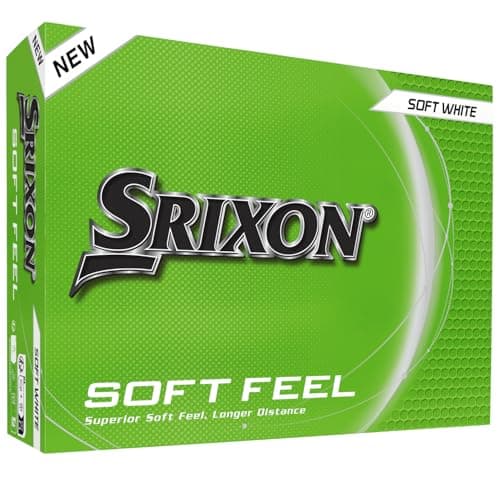
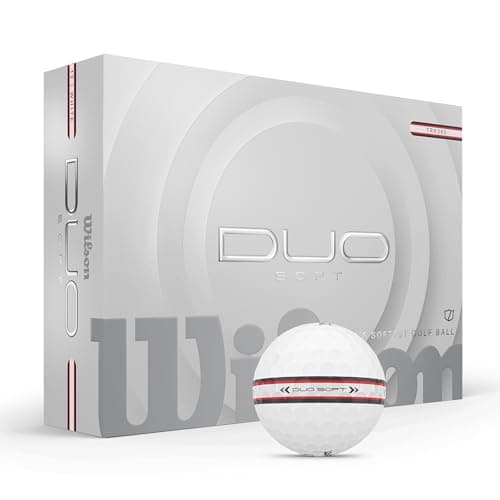
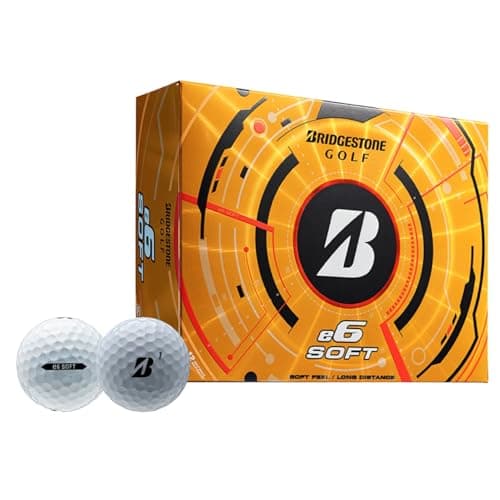
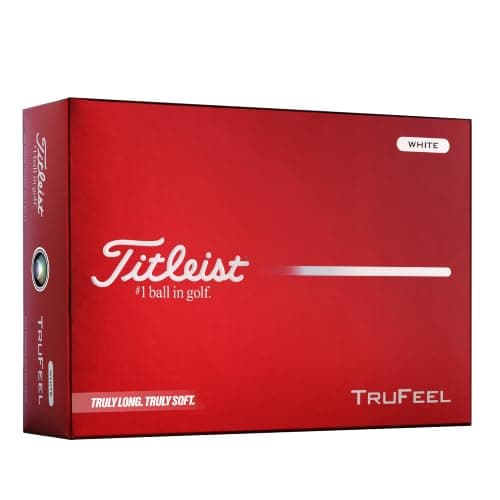
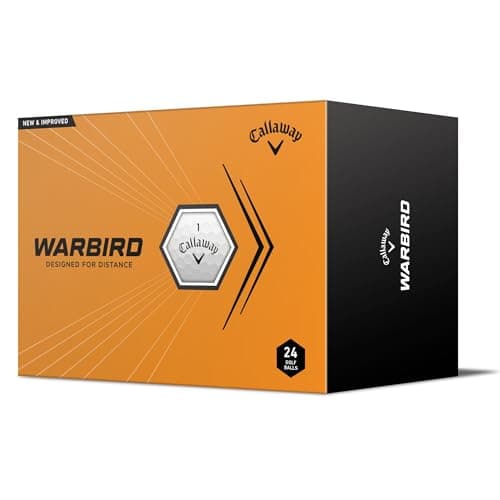
That is why the list runs the way it does. The Supersoft, Soft Feel, TruFeel and Duo Soft are soft, straight and cheap; the Bridgestone e6 is here specifically for the slice that plagues most beginners; and the Warbird is the stock-up option for the season when you genuinely lose a handful a round. Not sure how soft you should go? Our golf ball selector matches a ball to your swing in three questions.
Skip this: the tour ball, until you stop losing them
The one buy to avoid as a beginner is a $50 urethane tour ball like a Pro V1. It is a superb ball for a sharp short game and a fast swing, and it is wasted on a new golfer who can’t yet compress it or spin it — and it stings three times as much when it finds the water. Play a value ball until you keep most of your golf balls in play and your wedge game can actually use the spin. We do the full cost arithmetic in are expensive golf balls worth it.
How much should a beginner spend on golf balls?
Think in price brackets, not brand loyalty. The soft value balls on this list — Supersoft, Soft Feel, TruFeel, Duo Soft, e6 — all sit in the same value tier per dozen, and any of them is the right money for a beginner. A tour urethane ball costs roughly double per dozen for spin you can’t yet produce, which is exactly the wrong place for a new golfer to spend. If you’re losing a lot of balls, the Warbird is sold in a large pack, which drops the per-ball cost about as low as a brand-new ball gets. We show the live price on every pick below so you can buy on today’s number, not a stale one — the cheapest of these value balls the week you shop is usually the smart buy.
Pick one ball and stick with it
The most useful habit a beginner can build is playing the sameball every round. Different balls fly, spin and feel differently around the green, and swapping models round-to-round adds a variable you don’t need while you’re still grooving a swing. Choose one value ball you like the feel of, buy it by the dozen, and let it be a constant. Refinished or “lake” balls are a reasonable way to cut cost further, but the quality is inconsistent — for the price gap over a new value ball, a fresh dozen of one model is the steadier choice.
When to graduate to a better ball
You’re ready to think about a urethane ballwhen two things are true: you keep most of your golf balls in play across a round, and you’ve started hitting wedges you want to stopon the green rather than run out. Until both are true, the extra spin a premium ball offers has nowhere to show up on your scorecard. When you do make the jump, a mid-price urethane ball like the Srixon Q-Star Tour gets you most of the benefit without the top-tier price — the full roundup ranks those too. And if your misses are still curving badly, spend the money on the right beginner clubs before you spend it on the ball.