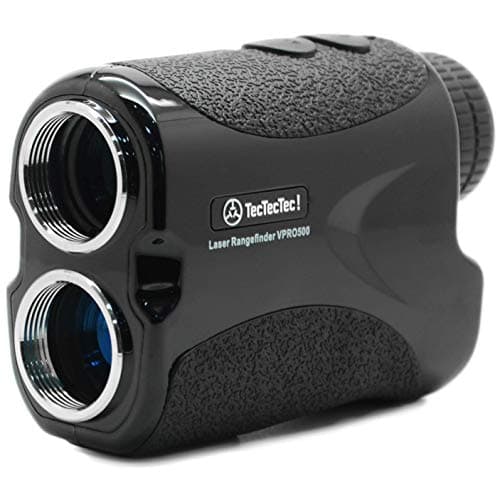
The best golf gift under $150 is the Garmin Approach G12 — a tiny clip-on GPS that reads front, middle and back yardages on every hole, runs for days on a charge, and never asks for a subscription. It lands because it is used on every single round, and it is the rare piece of golf tech with nothing to fit and nothing to renew. If the recipient would rather have an exact number to the flag, the TecTecTec VPRO500 is the budget laser that does the job. Below them are eight more picks that were all under $150 at our last price check, drawn from our existing rankings and re-explained for a gifter. The live price on each card is the one that counts.
The mid-tier is the sweet spot for a golf gift: enough money to buy something they use every round rather than something that gets used up, but below the level where the purchase becomes personal enough to need a fitting. Nothing on this page needs one.
The picks, explained for the person buying them
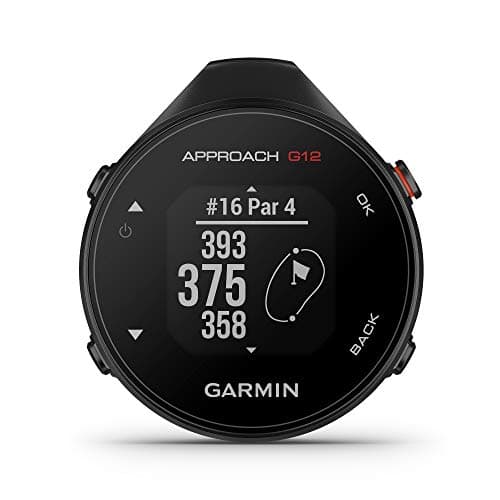
1. Garmin Approach G12 — no subscription, no watch
Why it lands: GPS distances without a watch on the wrist, clipped to a bag or belt, with a battery Garmin rates at up to 30 hours and no yearly fee. Who it suits: any golfer who doesn’t already own a distance device, and especially one who won’t wear a watch. Check before buying: if they want hole maps and green graphics rather than numbers, a watch or a mapping handheld from our GPS watch ranking suits them better.
2. TecTecTec VPRO500 — the first laser
Why it lands: an exact yardage to the flag, with slope, at a fraction of the Bushnell price. Who it suits: a golfer who has never owned a laser. Check before buying: a golfer who already has one will not want a second budget unit; give them the Bushnell on our luxury list instead. Our budget rangefinders page ranks the whole budget field.
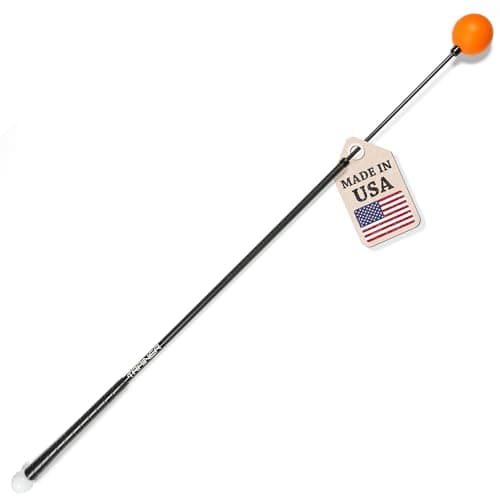
3. Orange Whip — the tempo trainer
Why it lands: the counterweighted, flexible trainer more coaches recommend than any other, swung in a garage or a hallway. Who it suits: the golfer who practices and talks about tempo and sequencing. Check before buying: that they practice. If they only play, pick 1 or 2 will be used more.
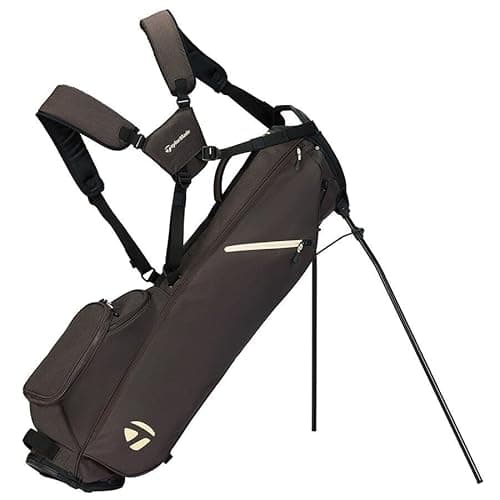
4. TaylorMade FlexTech Carry — the stand bag
Why it lands: a light, well-built stand bag from a brand they know, at the price below the premium tier. Who it suits: a walker who carries. Check before buying: that they walk rather than ride, and guess the colour. It sat close to the top of this tier at our last check; the card shows the live price.
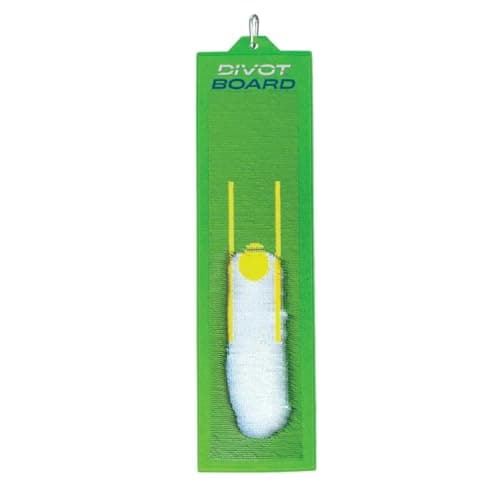
5. Divot Board — the strike board
Why it lands: the mark it leaves shows exactly where the club bottomed out and which way it was travelling, which is the feedback a golfer who hits it fat cannot get from a range mat. Who it suits: the mid-handicapper who is working on contact. Check before buying: it is a practice tool, and it is the top pick on our fat-shot page for a reason — it lands hardest for the golfer who has that specific problem.
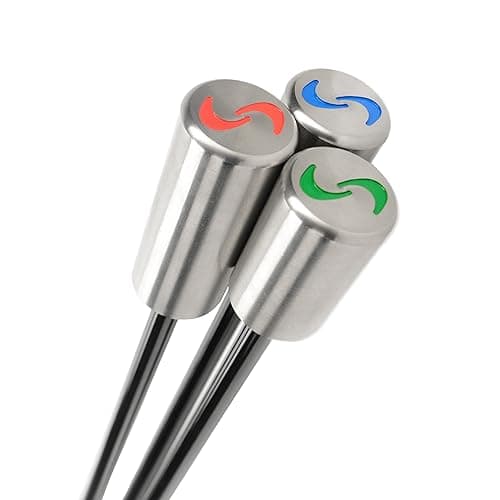
6. SuperSpeed Golf Training System — the speed sticks
Why it lands: three weighted sticks and a protocol for adding clubhead speed, which is the one thing every golfer wants more of. Who it suits: the golfer who will follow a training plan several times a week. Check before buying: honesty about that last point. The sticks work if the protocol is followed; they gather dust otherwise.
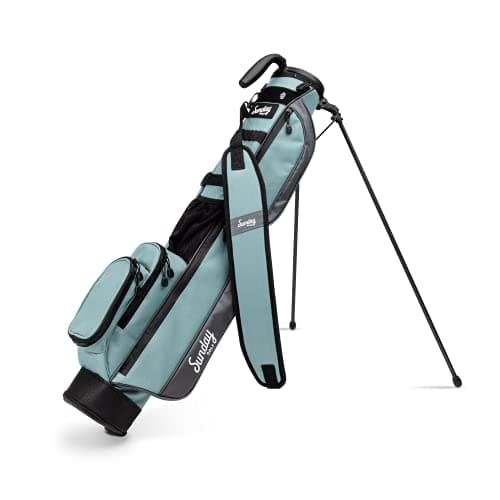
7. Sunday Golf Loma — the par-3 bag
Why it lands: a minimalist, ultralight bag for a quick nine, a par-3 course or a range trip — the second bag golfers want and rarely buy. Who it suits: the casual golfer, the golfer with kids, the one who plays after work. Check before buying: it holds a partial set by design. It is not a replacement for their main bag.
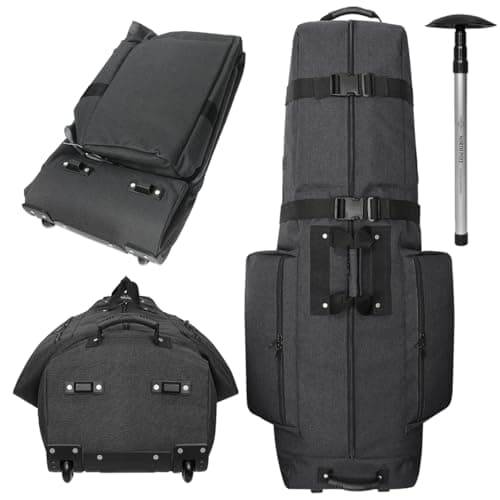
8. CaddyDaddy Constrictor — the padded travel bag
Why it lands: dense foam over the club heads, wheels and lockable zippers, for the golfer planning to check their clubs in a thin cover. Who it suits: the occasional flyer with a trip booked. Check before buying: a golfer who flies several times a year is better served by the glider-leg bag on the no-budget list.
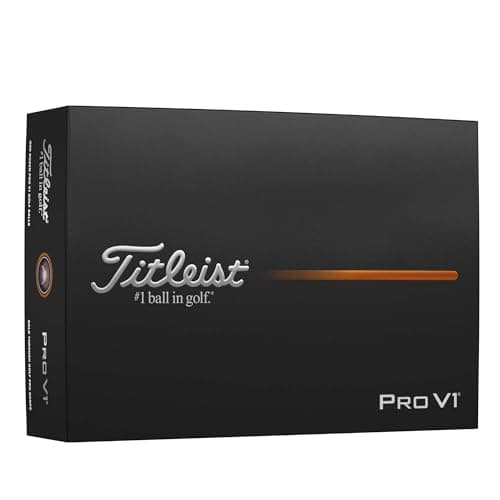
9. Titleist Pro V1 — two dozen, if that is their ball
Why it lands: two dozen of the ball they already play is a gift with a guaranteed use. Who it suits: the golfer with Pro V1s already in the bag. Check before buying: if they play anything else, or lose several a round, the value ball on our under-$50 list is the better gift.
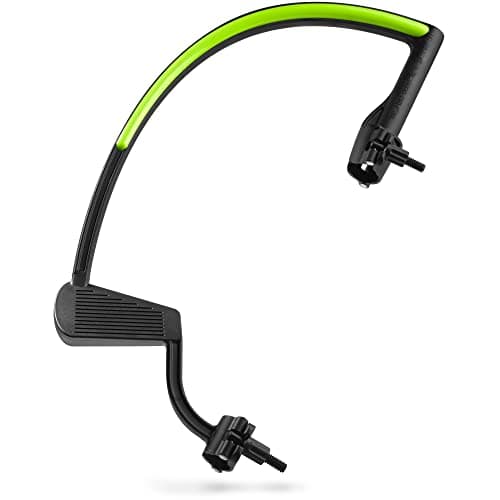
10. The Hanger — for the slicer who is working on it
Why it lands: it clamps to any iron and presses on the lead forearm when the clubface opens, which is the fault behind most slices. Who it suits: the golfer who slices, knows it, and practises. Check before buying: only give it to someone who has said the word “slice” out loud. Our slice-fix page explains where it fits.
What this tier deliberately skips
This is the price band where a wedge, a hybrid or a budget putter becomes possible, and we left all three off. A wedge is a loft-and-bounce decision, a hybrid is a loft-and-flex decision, and a putter is the most personal club in the bag. The picks above are things a golfer uses every round or every practice session that need nothing fitted. If the person you are buying for has told you exactly which wedge they want, by all means — our wedge ranking is there — but do not guess.
Thresholds, not prices
“Under $150” is the line we sorted by at our last automated price check, not a promise. Two of the picks sat close to it. The number on each card is pulled live from Amazon’s product API and date-stamped; if a pick has crept over the line, the card will show it, and if our data is more than 48 hours old the number disappears rather than going stale.
GPS or laser, for a gift
A laser gives an exact yardage to whatever you aim at; a GPS gives front, middle and back of the green without aiming. For a gift, GPS is the safer choice because there is no technique to it, and the G12 needs no subscription. A laser is the better gift for the golfer who plays to a specific number. Slope — the feature that adjusts for uphill and downhill — is not allowed in competition unless it can be switched off, and our slope explainer covers the rule.