Skip to content
Divot&Draw

The Numbers · Launch Monitors

The Best Golf Launch Monitors

Six units ranked by what they actually measure, what they estimate, and what the subscription costs you after the box arrives. Live prices.

By Stephen V.Updated How we rank
#ad

We earn a commission when you buy through our Amazon links, at no extra cost to you. It never changes our rankings — and we'll tell you when the cheaper ball or club is the better buy. How this works.

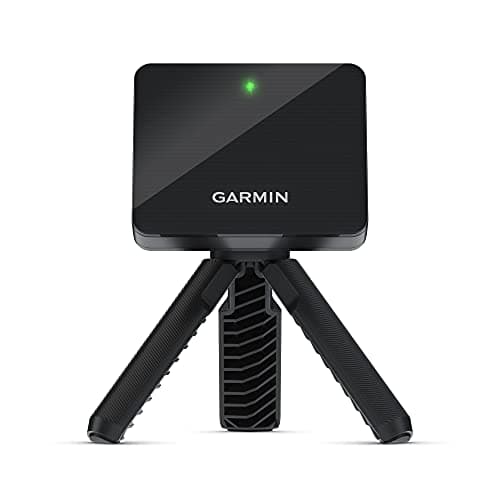
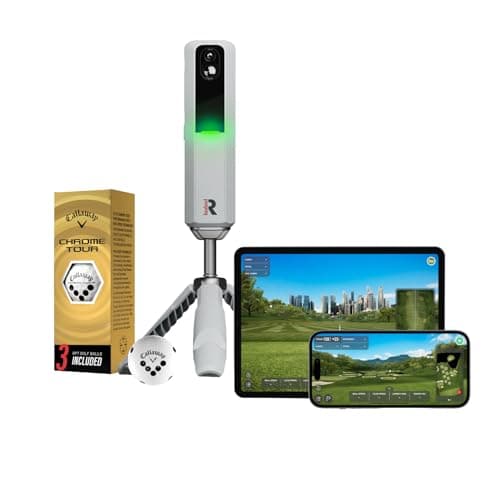
Garmin Garmin Approach R10
$499.99View on Amazon

Price as of November 22, 2026. Prices change — Amazon's is the one that counts.

#ad · we may earn a commission from this link to Garmin Approach R10

For most golfers who want real numbers without a recurring bill: a portable doppler radar whose basic app is genuinely free, which is the single thing that separates it from every other unit on this page.

Budget pick

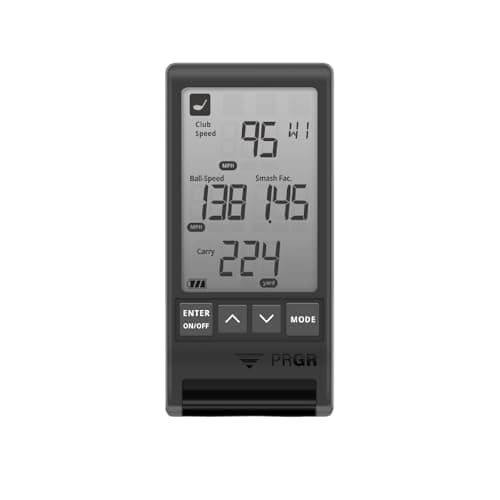
PRGR HS 130-A — the cheapest honest launch monitor here - ball and club speed, smash factor and distance on its own screen, with no app and no subscription at all $179.99 on Amazon

The verdict: the Garmin Approach R10is the launch monitor most golfers should buy. It is a portable doppler radar, Garmin’s basic Garmin Golf app tier is free, and the data set is enough to work on your game rather than just admire it. The trade is stated plainly: it leans on estimated spin and gates simulator course play behind a yearly fee. Budget pick: the PRGR HS 130-A, which does one job — speed and smash factor on an on-unit screen — with no app, no account and no subscription. If measured spin and a real club-face data set are what you are actually after, the SkyTrak+ is the unit built for that, at several times the price. Prices are live from our price layer, stamped November 22, 2026.

This is the parent page for the category, and it exists because every other page we publish on launch monitors is a filtered cut: under $1,000, no subscription, portable and home simulators. Those are the right pages if you already know which constraint matters to you. This one ranks the whole field so you can work out which constraint matters first.

The three specs that actually decide a launch monitor

Not the parameter count on the box. A unit that lists eighteen data points and derives fourteen of them tells you less than a unit that lists eight and measures all eight. In the order they matter:

  • 1. Measured versus estimated.This is the whole ballgame. A doppler radar measures speed and direction extremely well and infers spin from ball flight. A photometric camera system reads the ball itself and reports spin as a measurement. Both are useful; only one of them is telling you what the ball is doing rather than what the maths suggests it must be doing. If your reason for buying is “why does my 7-iron land soft and my 5-iron run out”, you want measured spin. If it is “how far do I actually carry it”, radar is plenty. The mechanism in full is photometric vs radar launch monitors.
  • 2. What the subscription gates.Four of the six units here put something behind a recurring fee, and it is never the same something. Garmin’s basic app is free and its simulator is not. Rapsodo ties the full data set and the simulator to a membership. SkyTrak ships a free Basic tier and sells Essential, Core and Elite plans that add course play. The PRGR has no app to subscribe to. Work out the three-year cost, not the box price.
  • 3. Where it will live.A pocket doppler goes to the range in a jacket pocket. A photometric unit wants a fixed position in a dedicated bay with consistent light. Neither is better; they are different purchases. If the answer is “a corner of the garage”, read what a home setup costs before you buy the monitor, because the net and the mat are most of the bill.

The six units, and who each is for

The Garmin Approach R10 is the default because the free app tier removes the one thing that sours this category: paying monthly to read your own numbers. The Rapsodo MLM2PROis the pick if shot video is what you want — camera plus radar, with replay — and it is worth knowing it is now the outgoing model, with the MLM2XPRO announced above it in October 2026 at a published $899.99 launch price. The SkyTrak+ is the photometric step up, with nine ball and five club parameters published and course play behind a paid plan. The FlightScope Mevo is pocket radar from a serious launch-monitor lineage, with eighteen listed parameters and a ball sticker requirement that is more friction than it sounds. The Voice Caddie SC4 Pro is the all-in-one: its own 5.3-inch screen and voice output, so no phone is needed to read a number, plus five included E6 courses. The PRGR HS 130-A is deliberately narrow and excellent at it.

What none of these will do

No unit on this page will fix your swing, and the most expensive one on it will not fix it faster. A launch monitor is a measuring instrument: it tells you that your 7-iron carries 148 yards and that your smash factor drops on the toe, and then it is finished. What you do next is either a lesson or a drill, and the honest reckoning of whether any of this is worth the money is in are launch monitors worth it. If you have never seen a parameter list before, launch monitor data explained goes through each number and what it is for.

A second honest limit: none of these replaces a ball flight you can see. Every unit here is better outdoors, hitting real shots to a real target, than it is indoors into a net — radar in particular wants flight to read. Indoors is a compromise you make for convenience, not an upgrade, and the setup that makes the compromise smallest is in best home golf simulators.

The short answer

Quick picks

#ProductBest forScorePrice
01
Garmin Garmin Approach R10
Garmin Approach R10

The portable radar that made launch data affordable — and its basic app is genuinely free.

Most golfers who want data without a subscription
8.0
$499.99Amazon
02
Rapsodo Rapsodo MLM2PRO
Rapsodo MLM2PRO

Camera-plus-radar with shot video — the data is richer, but the best of it lives behind a subscription, and this is now the outgoing model with the MLM2XPRO arriving above it.

Players who want video and measured spin
7.4
$399.98Amazon
03
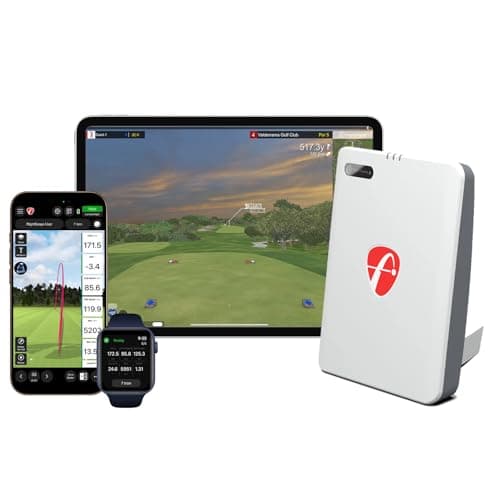
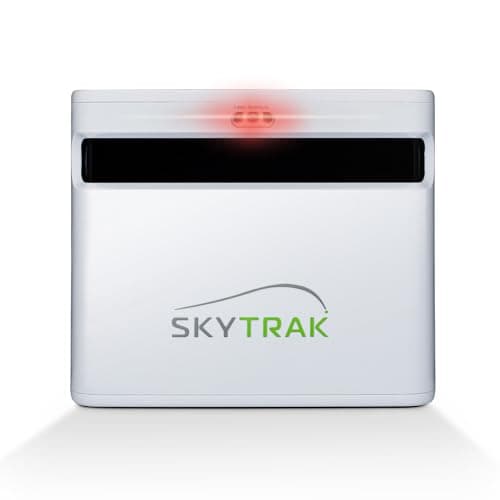
SkyTrak SkyTrak+ Launch Monitor & Golf Simulator
SkyTrak+ Launch Monitor & Golf Simulator

The photometric step up — measured spin and a real club-face data set — at several times a pocket radar's price, with course play behind a paid plan.

A dedicated home bay where measured spin matters
7.4
$995.00Amazon
04
FlightScope FlightScope Mevo (Gen2)
FlightScope Mevo (Gen2)

A pocket radar from a serious launch-monitor name, with 18 data points and a few sim courses in the box.

Range practice with pro-lineage radar
7.8
$1,149.00Amazon
05
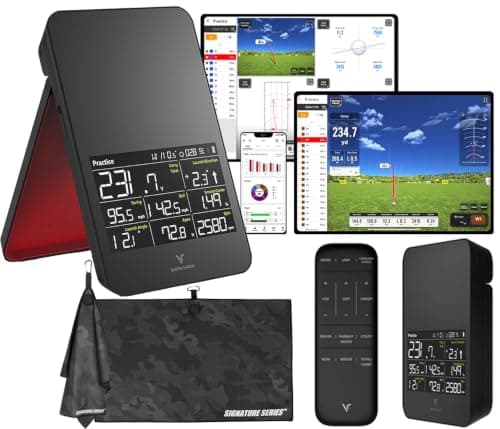
Voice Caddie Voice Caddie SC4 Pro
Voice Caddie SC4 Pro

A standalone launch monitor and simulator bundle with its own screen — no phone required to read your numbers.

A self-contained monitor-plus-sim bundle
7.2
$504.99Amazon
06
PRGR PRGR HS 130-A
PRGR HS 130-A

A pocket doppler that does one thing — speed and smash — with no app, no subscription, no fuss.

Speed and smash factor, subscription-free
8.0
$179.99Amazon

#ad · Live prices from the Amazon Product API, as of November 22, 2026. Where we have no verified live price, we show none — we would rather leave a gap than print a number that has rotted.

In detail

The picks, in full

01
Garmin Garmin Approach R10

Most golfers who want data without a subscription

Garmin Approach R10

Doppler radarUp to ~10 hr batteryFree Garmin Golf basic appOptional paid sim (Home Tee Hero)
8.0/10

The portable radar that made launch data affordable — and its basic app is genuinely free.

Accuracy
7
Data depth
7
Ease of use
8
Portability
9
Value
9

Pros

  • About the lowest-cost way into real launch numbers, and the basic Garmin Golf app is free to use
  • Small, battery-powered and tripod-mounted — set up in about a minute indoors or at the range
  • Covers the metrics most improving golfers actually use: ball speed, club speed, launch and estimated carry

Cons

  • Radar estimates some numbers (spin in particular) rather than measuring them directly, so treat those as guidance
  • The at-home simulator courses need a paid subscription — the free tier is data, not a full simulator

Skip this if…

…you want measured spin and a library of simulator courses without ever paying a subscription. The R10 leans on estimated spin and gates the sim behind a yearly fee — a camera unit or a bundled-sim monitor may suit you better.

$499.99View on Amazon

Price as of November 22, 2026. Prices change — Amazon's is the one that counts.

#ad · we may earn a commission from this link to Garmin Approach R10

02
Rapsodo Rapsodo MLM2PRO

Players who want video and measured spin

Rapsodo MLM2PRO

Camera + radarShot video replayMeasured ball spinSubscription tier for full data/sim
7.4/10

Camera-plus-radar with shot video — the data is richer, but the best of it lives behind a subscription, and this is now the outgoing model with the MLM2XPRO arriving above it.

Accuracy
8
Data depth
8
Ease of use
7
Portability
8
Value
6

Pros

  • Combines a camera and radar, and records video of each shot you can review afterwards
  • Measures ball spin from the ball's markings rather than estimating it the way a pure radar does
  • Doubles as a practice tool and a simulator front-end for home course play

Cons

  • The full data set and the simulator features sit behind a paid membership — budget for the yearly cost, not just the box
  • Like any camera unit, it wants decent lighting and careful alignment to read consistently
  • Superseded: Rapsodo announced the MLM2XPRO on October 9, 2026 (orders from October 15 at $899.99) adding simulation putting, an on-unit LED display and faster feedback. The MLM2PRO stays supported and is now the cheaper buy — but check the discount is real before paying close to XPRO money for it

Skip this if…

…you refuse to pay an annual fee. The MLM2PRO's headline features — the full data set and the simulator — are tied to a membership, so a no-subscription unit like the PRGR or the free-app Garmin R10 fits a subscription-averse buyer better.

$399.98View on Amazon

$699.9943% off

Price as of November 22, 2026. Prices change — Amazon's is the one that counts.

#ad · we may earn a commission from this link to Rapsodo MLM2PRO

03
SkyTrak SkyTrak+ Launch Monitor & Golf Simulator

A dedicated home bay where measured spin matters

SkyTrak+ Launch Monitor & Golf Simulator

Dual doppler radar + photometric camera9 ball + 5 club data parameters (published)Rechargeable Li-Po, ~4 hr (published)Free Basic tier; course play needs a paid plan
7.4/10

The photometric step up — measured spin and a real club-face data set — at several times a pocket radar's price, with course play behind a paid plan.

Accuracy
9
Data depth
9
Ease of use
7
Portability
6
Value
6

Pros

  • Pairs dual doppler radar with a photometric camera, so back spin, side spin and shot shape are read rather than inferred from ball flight alone
  • Publishes a genuine club data set — club head speed, smash factor, club path, face angle and face-to-path — which no pocket radar on this site reports
  • Built to drive real simulator course play indoors, not the cut-down sim function bundled with a range unit

Cons

  • The membership is the real cost: a free Basic tier covers the driving range, but course play and the game-improvement tools sit behind paid annual plans
  • Amazon now lists it as the previous generation alongside SkyTrak's newer ST MAX, so you're buying the outgoing model — good for the price, less good if you want the latest hardware
  • A ~4-hour battery and a camera that has to sit level beside the ball make it a set-up-a-bay unit rather than a grab-and-go pocket radar

Skip this if…

…your budget stops around the price of a portable radar, or a recurring fee is a deal-breaker. The SkyTrak+ costs several times a pocket doppler and its course play is tied to a paid annual plan — the free-app Garmin R10 or the fee-free PRGR are the honest answers for that buyer.

$995.00View on Amazon

$1,195.0017% off

Price as of November 22, 2026. Prices change — Amazon's is the one that counts.

#ad · we may earn a commission from this link to SkyTrak+ Launch Monitor & Golf Simulator

04
FlightScope FlightScope Mevo (Gen2)

Range practice with pro-lineage radar

FlightScope Mevo (Gen2)

Doppler radar18 data parameters (listed)Includes some E6 coursesRequires ball sticker
7.8/10

A pocket radar from a serious launch-monitor name, with 18 data points and a few sim courses in the box.

Accuracy
8
Data depth
8
Ease of use
7
Portability
9
Value
7

Pros

  • Comes from FlightScope, whose radar technology underpins far pricier professional units
  • The listing quotes 18 data parameters — plenty for a full, honest practice session
  • Ships with a handful of E6 simulator courses, so you can play at home and not just practice

Cons

  • Needs a small metallic sticker on the ball for full data — fiddly, and the stickers are a consumable
  • The wider simulator experience still points you toward paid E6 content beyond the included courses

Skip this if…

…you want a grab-and-go unit with nothing to stick on the ball, align or upgrade. The sticker requirement and the paid-course upsell make it less friction-free than a pocket speed monitor like the PRGR.

$1,149.00View on Amazon

$1,299.0012% off

Price as of November 22, 2026. Prices change — Amazon's is the one that counts.

#ad · we may earn a commission from this link to FlightScope Mevo (Gen2)

05
Voice Caddie Voice Caddie SC4 Pro

A self-contained monitor-plus-sim bundle

Voice Caddie SC4 Pro

Doppler radar5.3" built-in display with voice output (listing)8 data parameters (listing)5 included E6 simulation courses (listing)
7.2/10

A standalone launch monitor and simulator bundle with its own screen — no phone required to read your numbers.

Accuracy
7
Data depth
7
Ease of use
8
Portability
7
Value
7

Pros

  • Works as a self-contained unit with its own display, so you're not tethered to a phone app to see your data
  • Sold as a monitor-and-simulator bundle, so home course play is part of the package rather than an add-on
  • Portable enough to move between the range and an indoor net

Cons

  • Less widely reviewed than the Garmin and Rapsodo, so there's a smaller body of owner feedback to lean on
  • As with any radar, some figures are modeled rather than directly measured

Skip this if…

…you specifically want shot video or measured spin. Its strength is being a tidy all-in-one; if camera video is the feature you care about, the Rapsodo is the unit built around it.

$504.99View on Amazon

$599.9916% off

Price as of November 22, 2026. Prices change — Amazon's is the one that counts.

#ad · we may earn a commission from this link to Voice Caddie SC4 Pro

06
PRGR PRGR HS 130-A

Speed and smash factor, subscription-free

PRGR HS 130-A

Doppler radarBall & club speed, smash, distanceNo app or subscriptionPocket-sized, battery-powered
8.0/10

A pocket doppler that does one thing — speed and smash — with no app, no subscription, no fuss.

Accuracy
7
Data depth
5
Ease of use
9
Portability
10
Value
9

Pros

  • Zero running cost — no app account, no membership, nothing locked away behind a fee
  • Point it down the line and swing; the on-unit screen shows ball speed, club speed, smash and estimated distance instantly
  • Small and cheap enough to live in the bag and check your speed anywhere

Cons

  • It reads speed metrics only — no launch angle, no spin, no simulator — so it's a speed trainer, not a full monitor
  • No shot video, no course play, and no data history beyond the last few shots

Skip this if…

…you want carry-mapping, spin numbers, or a simulator to play courses at home. The PRGR is deliberately narrow — excellent for speed work, useless if you wanted the full launch picture.

$179.99View on Amazon

$229.9922% off

Price as of November 22, 2026. Prices change — Amazon's is the one that counts.

#ad · we may earn a commission from this link to PRGR HS 130-A

The arithmetic: three-year cost, not box price

A launch monitor is the one golf purchase where the sticker is genuinely misleading, because four of the six units here have a recurring component and the components are not comparable. A unit whose course play costs a few hundred dollars a year can cost more over three years than a unit that costs twice as much up front and charges nothing. That is not a hypothetical: it is the single most common regret in this category.

So before you compare any two prices in the table above, answer one question: will you play simulated golf, or will you practice? If the answer is practice — hit balls, read numbers, work on a number — the free and fee-free tiers cover you completely, and the PRGR and the R10 are the two units built for it. If the answer is play, the subscription is not an add-on, it is the product, and you should price three years of it into the decision. The page that works through the fee structures unit by unit is best launch monitors with no subscription.

Why the parameter count on the box is close to meaningless

Every maker publishes a number of “data parameters”, and the number is not comparable across brands because nobody separates measured from derived in the headline. Carry distance is derived from speed, launch angle and spin. Total distance is derived from carry plus an assumed roll. Smash factor is ball speed divided by club speed — a ratio, not a measurement. A unit can honestly advertise eighteen parameters while measuring four of them.

The specs worth reading on a listing are narrower and duller: what the unit measures directly, whether spin is measured or estimated, whether club data is included at all, and whether any of it requires a sticker on the ball or a specific light level. All four appear on the manufacturer pages cited at the foot of this page, and all four are in the registry entries above.

Radar wants space, cameras want light

The practical constraint that decides most home setups is not budget, it is geometry. A doppler radar sits behind or beside the ball and needs flight to track; makers publish minimum distances to the target and behind the ball, and a short garage can defeat a radar that works perfectly on a range. A photometric unit sits beside the ball and reads it in the first inches of flight, which is why it copes better indoors — but it wants consistent light and a fixed position, which is why it suits a dedicated bay and not a corner you clear each time.

Measure the room before you choose the technology. The full build, including what the net and mat cost on top, is in what a home setup costs, and the sub-$1,000 complete build is in golf simulator under $1,000.

Why we do not print the price in the text

Every number on this page comes from the live Amazon listing through our price layer at the moment the page is served, behind a 48-hour freshness gate, stamped with the date above. Launch monitors are discounted hard and often, and the order of the units by price changes with them — which is exactly why this page is organized by what each unit measures rather than by a price ranking that would be wrong next month. The only dollar figure typed into the prose above is the $899.99 launch price Rapsodo’s retail partner published for the MLM2XPRO, cited at the foot of the page, because that is a number its maker set and we did not.
How we ranked this

We don't run a testing lab — and we say so

We compiled published manufacturer specifications, official standards and aggregated owner reviews, computed the running costs the big test-labs leave out, and scored each pick against a published rubric. The scores are judgments from documented research — they are not lab measurements we took, because we don't have a lab and we're not going to pretend we do. You can check every number we publish.

Questions

Frequently asked

What is the best golf launch monitor?
For most golfers, the Garmin Approach R10 — portable doppler radar with a genuinely free basic app tier. For measured spin and a real club-face data set, the SkyTrak+. For the least money with no subscription of any kind, the PRGR HS 130-A. Live prices for all three are in the table above.
Do launch monitors need a subscription?
Some of them, for some features. Garmin’s basic app tier is free and its simulator is paid. Rapsodo ties the full data set and the simulator to a membership. SkyTrak ships a free Basic tier and sells paid plans that add course play. The PRGR HS 130-A has no app at all, so there is nothing to subscribe to. The unit-by-unit breakdown is best launch monitors with no subscription.
Is measured spin worth paying for?
If your question is about how the ball behaves when it lands — why one iron stops and the next runs out — then yes, because estimated spin is derived from flight and cannot separate a spin problem from a launch problem. If your question is how far you carry each club, radar answers it well and costs far less. The mechanism is in photometric vs radar launch monitors.
Can I use a launch monitor indoors?
Yes, with caveats that depend on the technology. Photometric units read the ball in the first inches of flight and cope well indoors given consistent light. Doppler radar wants flight to track and needs the published minimum distances behind the ball and to the target, which a short garage can defeat. Measure the space first; the build costs are in what a home setup costs.
What is the cheapest launch monitor worth buying?
The PRGR HS 130-A. It reports ball and club speed, smash factor and distance on its own screen with no app and no subscription, which makes it the cheapest honest route into real numbers. What it will not do is map carry distances, report spin or run a simulator - if you want any of those, it is the wrong unit at any price.

Keep reading

Receipts

Sources

We do not run a testing lab, and we do not pretend to. Every spec number here comes from a manufacturer's published sheet or an official standard, cited above. Where we could not verify something, we say so on the page rather than quietly leaving it out. Read our full method.