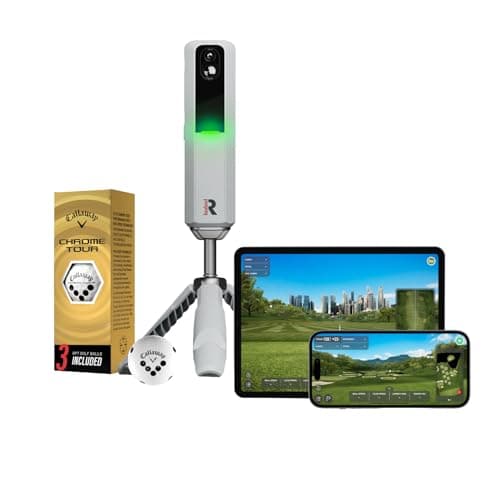
For the golfer who wants what the R10 does plus shot video and spin measured from the ball rather than estimated — and who will accept that the best of its data sits behind a membership.
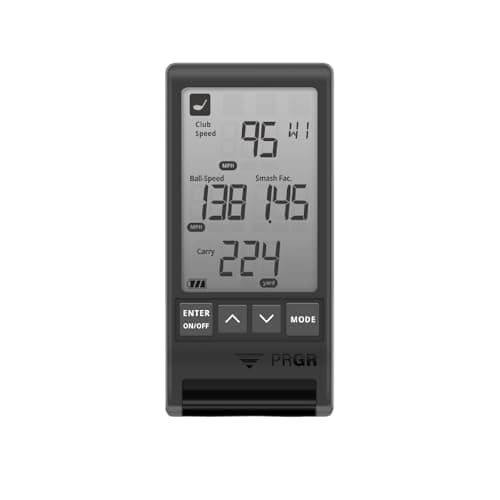
Budget pickPRGR HS 130-A — the cheapest alternative here and the only one with nothing to subscribe to: an on-unit screen, no app, no account $194.99 on Amazon
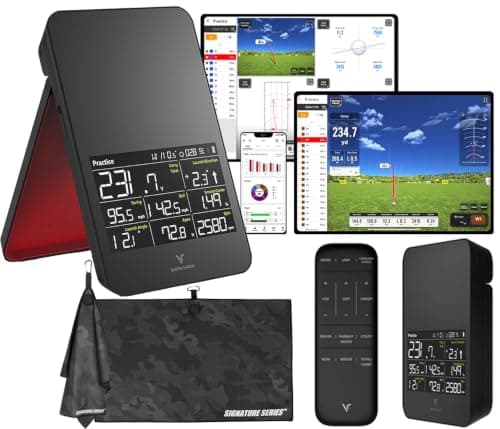
The verdict: the Rapsodo MLM2PRO is the pick if you want more than the R10 gives you — it combines a camera with radar, records video of each shot, and measures ball spin from the ball’s own markings rather than estimating it the way a pure radar does. Budget pick: the PRGR HS 130-A, which is the cheapest unit here and the only one with nothing at all to subscribe to: point it down the line, read the on-unit screen, done. Prices are live from our price layer, stamped November 18, 2026.
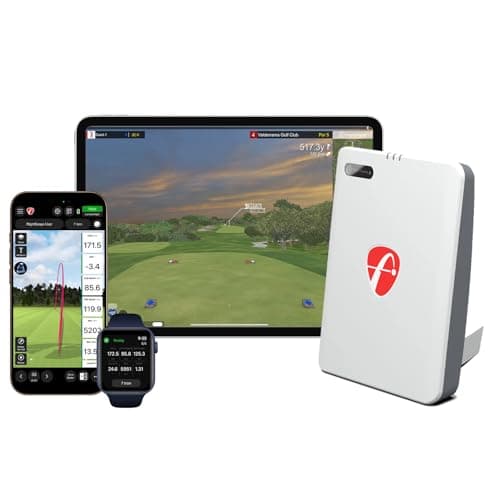
What the R10 is known for, honestly: it is the portable radar that made real launch data affordable. Garmin publishes it as a tripod-mounted, battery-powered doppler unit covering the metrics most improving golfers actually use — ball speed, club speed, launch and estimated carry — and its basic Garmin Golf app tier is free to use. It is the top pick on several of our own pages and it remains a genuinely good buy. People look for alternatives for four specific reasons, and each one points at a different unit below.
Four reasons to look elsewhere
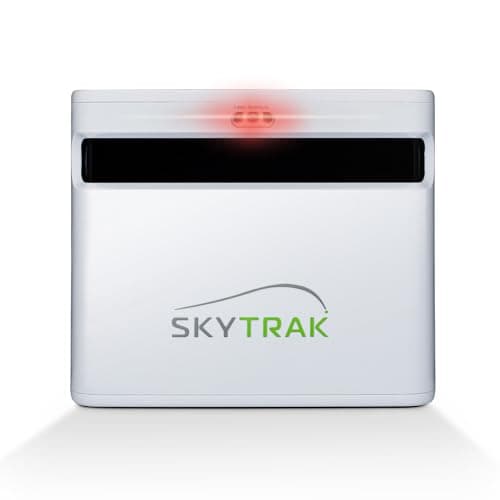
- You want spin measured, not estimated. A pure doppler radar infers spin from ball flight; a camera that reads markings on the ball measures it. If spin is the number you care about — and for wedge work and for diagnosing a ballooning driver it is the number that matters — that is a real functional difference rather than a marketing one. The MLM2PRO reads the ball’s markings; the SkyTrak+ adds a photometric camera system to radar and publishes a club-face data set as well as ball data. Our photometric vs radar explainer is the full version of this argument.
- You want to see the shot, not just the numbers. Shot video that lines up with the data is the single most underrated feature in this category, because a number without a swing attached to it is hard to act on. The MLM2PRO is the pick here.
- You want zero running cost. The fairest criticism of this whole category is that the hardware price is not the price. If you want a device with no account, no app and nothing behind a tier, the PRGR is the answer — its manual specifies ball and club speed, smash factor and carry/total distance on an on-unit LCD with no app or subscription. The Voice Caddie SC4 Pro takes a different route to the same independence: its own built-in display, so no phone is required to read your numbers. Our no-subscription roundup ranks the category on exactly this.
- You want a dedicated home bay rather than a range tool. Different purchase entirely. A permanent indoor bay justifies a photometric unit and a proper enclosure, and the SkyTrak+ is the step into that world — with the caveat, published by SkyTrak, that course play and the game-improvement tools need a paid membership. Start with what a home setup costs before you pick the device.
Running cost is the comparison nobody makes
Compare these on two numbers, not one: what the box costs and what the year costs. The hardware price is in the table above and it is live. The second number varies enormously and it is where the real difference between these units lives — the PRGR has no second number at all, Rapsodo and SkyTrak both put their richer features behind paid plans, and published plan prices in this category move around and get discounted periodically.
We are not going to print a subscription figure in prose for the same reason we do not print hardware prices: it would be wrong within a quarter and it would be wrong in a way that changes the decision. Check the current plan on the manufacturer’s own page before you budget — the sources at the foot of this page link to each one. One timing note worth knowing: the MLM2PRO is now the outgoing model, with the MLM2XPRO announced above it in October 2026, and the apps continue to support the MLM2PRO.
What none of them fixes
A launch monitor measures; it does not teach. All six devices in this conversation will tell you your club speed and your carry number, and none of them will tell you why your face is open. If your goal is to stop slicing rather than to know how fast you swing, a feedback training aid is a tenth of the price and more directly useful — our aids-that-actually-work shortlist is the honest alternative to this entire category for that golfer, and we would rather say so on a page about buying a launch monitor than pretend data alone changes a swing.
The flip side is real too. If you are working on speed, gapping your irons properly, or trying to find out whether your 7-iron genuinely carries what you think it does, a monitor is the only honest way to know, and we go through when it is worth it in full. Our data explainer covers which of the numbers actually deserve your attention.
The space question, answered before the device question
Radar and camera units fail in opposite rooms, and this decides more purchases than any feature list. A doppler radar sits behind or beside you and needs the ball to fly far enough to be tracked — which indoors means several yards of clearance between you and the net, and a ceiling you can swing a driver under. In a shallow garage a radar will either refuse to read or read badly. A photometric camera unit sits beside the ball and reads it in the first few feet of flight, which is exactly what a cramped room gives it.
So measure the room before you shortlist a device. If your only indoor space is shallow, the camera-based options are not a luxury upgrade, they are the ones that will work, and a cheap radar is money wasted. If your practice is mostly outdoors at a range, a radar is the better buy and the camera premium buys you nothing you can use. Our photometric vs radar explainer covers the mechanism properly.
Three-year cost, not box price
The only fair comparison in this category is hardware plus three years of whatever plan you need to do the thing you bought it for. A unit with no subscription and a modest feature set can easily cost less over three years than a cheaper unit whose useful features sit behind an annual plan, and the gap compounds if you want course play. Published plan prices move and get discounted, which is exactly why we do not print any of them in prose — check the manufacturer’s current page, linked in the sources below, before you commit. Hardware prices in the table above are live from our price layer with the date they were checked.