Skip to content
Divot&Draw

The Numbers · Launch Monitors

Garmin Approach R10 vs FlightScope Mevo

Two portable doppler radars at very different prices — one runs its core data on a free app, the other carries a professional lineage and a ball sticker. Here's which suits your practice.

By Stephen V.Updated How we rank
#ad

We earn a commission when you buy through our Amazon links, at no extra cost to you. It never changes our rankings — and we'll tell you when the cheaper ball or club is the better buy. How this works.

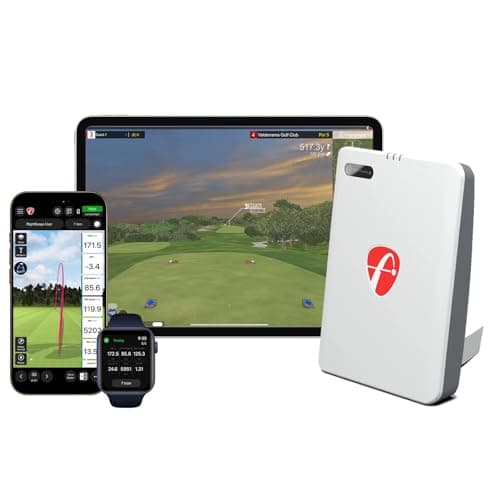
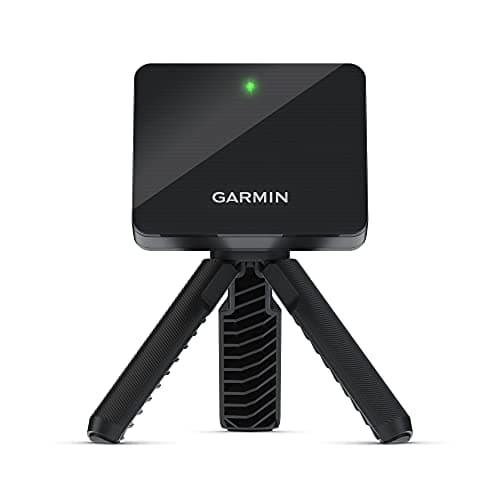
Both of these are portable doppler radars— neither uses a camera — so both estimate spin rather than measuring it, and both are happy outdoors with a few yards of ball flight. The difference is what surrounds the radar. The Garmin Approach R10 runs its core launch data on the free tier of the Garmin Golf app and gets up to about 10 hours on a charge. The FlightScope Mevocomes from the company whose radar technology underpins far pricier professional units, quotes 18 data parameters, ships with a few E6 simulator courses — and needs a small metallic sticker on the ball for full data. Check the live prices above first, because the gap between them should shape the decision.

Choose the Garmin R10 if…

You want the lowest running cost and the least friction. The R10’s core numbers — ball speed, club speed, launch, estimated carry — are free to use, it’s pocketable and battery-powered, and there’s nothing to stick on the ball. It’s the more approachable everyday practice tool, and the one we point most golfers toward first; only its at-home simulator (Home Tee Hero) is a paid tier. See the full case in our Garmin R10 review.

Choose the FlightScope Mevo if…

You want a radar from a serious launch-monitor lineage and the wider data list appeals — the Mevo quotes 18 parameters, plenty for a full, honest session, and the included E6 courses let you play a little at home. You have to accept the friction: the metallic ball sticker is fiddly and a consumable you replace over time, and the deeper simulator experience still points you toward paid E6 content. It’s the choice for a practicer who values the FlightScope name and the parameter depth over grab-and-go simplicity.

The honest deciding factors

Three things settle it. First, running cost: the R10’s core data is free for life, while the Mevo’s value proposition leans on the E6 content and the sticker consumable. Second, workflow: the Mevo needs a sticker on every ball for full data; the R10 doesn’t — pick the friction you mind less. Third, and most concrete, price: these two are not priced alike, so weigh the live numbers above against what each gives you. Both are radars, so neither measures spin the way a camera unit does — if that’s what you’re after, our Rapsodo vs Mevo comparisonis the better read. We don’t run a test lab; this is drawn from published specs and how each device captures a shot.

The short answer

Quick picks

#ProductBest forScorePrice
01
Garmin Garmin Approach R10
Garmin Approach R10

The portable radar that made launch data affordable — and its basic app is genuinely free.

Most golfers who want data without a subscription
8.0
$499.99Amazon
02
FlightScope FlightScope Mevo (Gen2)
FlightScope Mevo (Gen2)

A pocket radar from a serious launch-monitor name, with 18 data points and a few sim courses in the box.

Range practice with pro-lineage radar
7.8
$1,299.00Amazon

#ad · Live prices from the Amazon Product API, as of Jul 26, 2026. Where we have no verified live price, we show none — we would rather leave a gap than print a number that has rotted.

In detail

The picks, in full

01
Garmin Garmin Approach R10

Most golfers who want data without a subscription

Garmin Approach R10

Doppler radarUp to ~10 hr batteryFree Garmin Golf basic appOptional paid sim (Home Tee Hero)
8.0/10

The portable radar that made launch data affordable — and its basic app is genuinely free.

Accuracy
7
Data depth
7
Ease of use
8
Portability
9
Value
9

Pros

  • About the lowest-cost way into real launch numbers, and the basic Garmin Golf app is free to use
  • Small, battery-powered and tripod-mounted — set up in about a minute indoors or at the range
  • Covers the metrics most improving golfers actually use: ball speed, club speed, launch and estimated carry

Cons

  • Radar estimates some numbers (spin in particular) rather than measuring them directly, so treat those as guidance
  • The at-home simulator courses need a paid subscription — the free tier is data, not a full simulator

Skip this if…

you want measured spin and a library of simulator courses without ever paying a subscription. The R10 leans on estimated spin and gates the sim behind a yearly fee — a camera unit or a bundled-sim monitor may suit you better.

$499.99View on Amazon

Price as of Jul 26, 2026. Prices change — Amazon's is the one that counts.

#ad · we may earn a commission from this link to Garmin Approach R10

02
FlightScope FlightScope Mevo (Gen2)

Range practice with pro-lineage radar

FlightScope Mevo (Gen2)

Doppler radar18 data parameters (listed)Includes some E6 coursesRequires ball sticker
7.8/10

A pocket radar from a serious launch-monitor name, with 18 data points and a few sim courses in the box.

Accuracy
8
Data depth
8
Ease of use
7
Portability
9
Value
7

Pros

  • Comes from FlightScope, whose radar technology underpins far pricier professional units
  • The listing quotes 18 data parameters — plenty for a full, honest practice session
  • Ships with a handful of E6 simulator courses, so you can play at home and not just practice

Cons

  • Needs a small metallic sticker on the ball for full data — fiddly, and the stickers are a consumable
  • The wider simulator experience still points you toward paid E6 content beyond the included courses

Skip this if…

you want a grab-and-go unit with nothing to stick on the ball, align or upgrade. The sticker requirement and the paid-course upsell make it less friction-free than a pocket speed monitor like the PRGR.

$1,299.00View on Amazon

Price as of Jul 26, 2026. Prices change — Amazon's is the one that counts.

#ad · we may earn a commission from this link to FlightScope Mevo (Gen2)

How we ranked this

We don't run a testing lab — and we say so

We compiled published manufacturer specifications, official standards and aggregated owner reviews, computed the running costs the big test-labs leave out, and scored each pick against a published rubric. The scores are judgments from documented research — they are notlab measurements we took, because we don't have a lab and we're not going to pretend we do. You can check every number we publish.

Questions

Frequently asked

Is the Garmin R10 or FlightScope Mevo more accurate?
Both are doppler radars, so both estimate spin rather than measuring it, and for ball and club speed they're broadly comparable. The Mevo carries FlightScope's professional radar lineage and quotes a longer parameter list; the R10 is the cheaper, more portable everyday tool. Neither is a five-figure professional unit, and we don't lab-test — this is based on published specs and how each captures the shot.
Does the FlightScope Mevo need a ball sticker?
Yes — the Mevo uses a small metallic sticker on the ball for full data, which is a mild hassle and a consumable you replace over time. The Garmin R10 doesn't need any sticker, which is part of why it's the more grab-and-go of the two.
Which one costs less to run?
The Garmin R10. Its core launch data runs on the free tier of the Garmin Golf app, so as a practice monitor it costs nothing beyond the hardware; only the home simulator is a paid tier. The Mevo has no subscription for its core data either, but its wider simulator experience points you toward paid E6 content and the ball stickers are an ongoing consumable. The cost-of-ownership breakdown puts numbers to it.

Keep reading

Receipts

Sources

We do not run a testing lab, and we do not pretend to. Every spec number here comes from a manufacturer's published sheet or an official standard, cited above. Where we could not verify something, we say so on the page rather than quietly leaving it out. Read our full method.