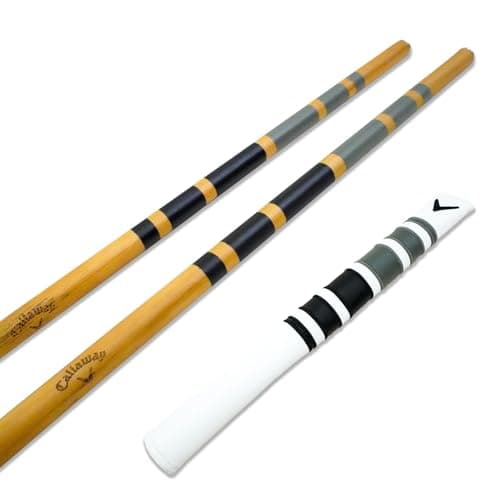
A beginner does not need a rack of gadgets — they need a few cheap tools that build the fundamentals and give honest feedback while they do it. The Callaway alignment sticks top this list because they are the most useful ten dollars in golf: they drill alignment, ball position, path and plane, and a beginner uses them at every practice session for years. Read the “best for” on every row, though, because the tool that helps yourgame most depends on which fundamental you’re building.
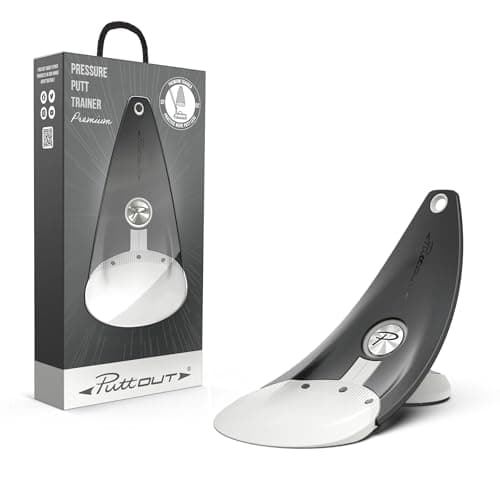
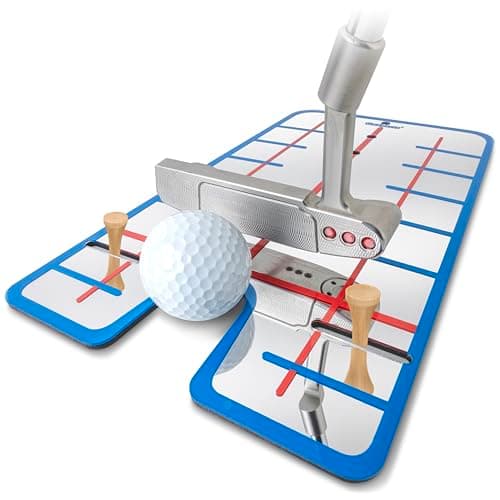
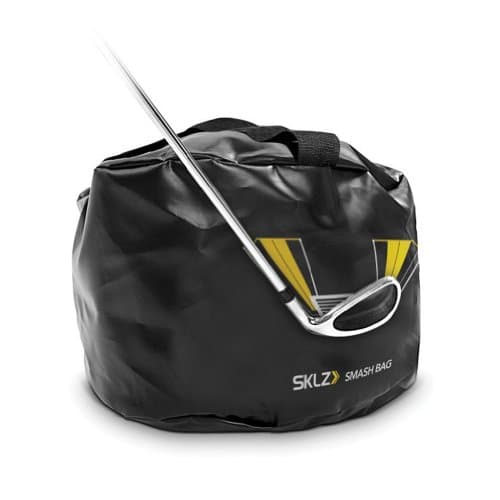
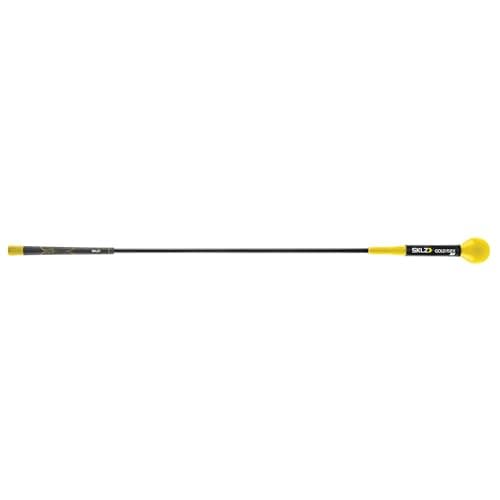
These picks are chosen for a new golfer specifically: they’re inexpensive, simple to use without a coach, and each targets a fundamental rather than a niche fault. Alignment sticks build aim and path; the PuttOut and the GoSports mirrorbuild the putting stroke that saves a beginner the most shots; the Smash Bag teaches what a solid, hands-forward impact feels like; and the Gold Flex is a cheap tempo and warm-up tool that smooths out the frantic, all-arms swing beginners tend to start with. Together they cover alignment, impact, putting and tempo — the four things a new golfer should actually practice.
What a beginner should actually practice
We ranked these on what moves a beginner’s scores, in this order. First, alignment and setup— more beginners aim wrong than swing wrong, and a pair of sticks fixes that for the price of a sleeve of balls. Second, putting— roughly 40% of shots happen on the green, so a putting tool returns more strokes per dollar than any full-swing gadget. Third, impact — learning the feel of a solid, forward-leaning strike is the foundation of ball-striking. Fourth, tempo— a smoother rhythm quietly fixes a surprising number of faults. What we deliberately left off is anything that promises a one-week miracle or swings the club for you: a beginner learns fastest from honest feedback, not from a gadget doing the work.
Skip this: single-fault gadgets and static grip trainers
The category a beginner should walk past is the specialist single-fault gadget — a slice cure, a connection ball, a molded grip trainer — bought before there’s a consistent swing to diagnose. A static grip mold sets your hands at address and teaches nothing about what they do at speed; a slice-specific aid solves a problem you may not even have yet. Build the fundamentals first with the cheap, versatile tools here, name your actual miss once your swing settles, and only then buy a feedback aid for a specific fault. Our do training aids work guide explains how to tell the difference.
How much should a beginner spend on training aids?
Very little, and that’s the point. The single best purchase — a pair of alignment sticks — costs about ten dollars and does more than gadgets ten times the price. A putting aid and an impact bag are inexpensive too, and a tempo trainer is the only pick here that costs more than a round of golf. You could build this entire beginner kit for less than the price of a single premium single-fault gadget, and you’d practice better with it. We show the live price on every pick so you can buy on today’s number; spend the money you save on the tools that give real feedback, or on a lesson, rather than on a rack of specialist gadgets you’ll outgrow.
Build fundamentals before you buy fault-fixers
The order matters. A beginner’s swing is still changing week to week, so buying an aid for a specific miss — a slice cure, a connection ball — is premature: the miss may not survive the month, and a fundamentals tool helps regardless of what your swing is doing today. Start with alignment (sticks), add a putting tool because that’s where the easy strokes are, and use the impact bag and tempo trainer to groove a solid, unhurried strike. Once your swing settles into a repeatable shape and a consistent miss, thenit’s worth diagnosing it — the slice and hook guides name the aids that address each, and the aids-that-actually-work shortlist is the skeptic’s next step up.