Skip to content
Divot&Draw

The Sticks · Golf Clubs

The Best Golf Drivers for Beginners

A first driver's job is to fly straight and get airborne, not to win a robot test. Ranked by forgiveness, launch and anti-slice help, with live prices.

By Stephen V.Updated How we rank
#ad

We earn a commission when you buy through our Amazon links, at no extra cost to you. It never changes our rankings — and we'll tell you when the cheaper ball or club is the better buy. How this works.

The best driver for a beginner is the one that gets the ball airborne and pointed roughly straight, not the one that’s longest on a launch monitor in a fitting bay. A new swing doesn’t centre the face yet, so forgiveness, easy launch and a bit of anti-slice help matter far more than the last two yards of ball speed. The Cleveland Launcher XL 2 leads here because it does the beginner job better than anything else on the list: a genuine game-improvement head built around Cleveland’s highest-ever driver MOI, so the off-centre strikes you’ll actually make still fly straight and keep their speed.

Below it are four honest alternatives at very different prices and for slightly different swings. The general driver roundupranks the same category for every player; this page is tuned specifically for a first driver — maximum forgiveness, the most loft you can use, and a slice-fighting option for the miss almost every beginner fights.

What actually matters in a beginner’s driver

We ranked these on the things a new golfer feels on the tee, in this order. First, forgiveness— a big, high-MOI head resists twisting on a heel or toe strike, so your mishit stays in play instead of slicing out of bounds. This is the single most important quality in a first driver, and it’s why every pick here is a game-improvement or super-game-improvement head, never a compact “players” one. Second, launch— more loft and a low, deep centre of gravity get the ball up easily, and for a moderate swing height is where carry comes from; a beginner almost always benefits from more loft than they think. Third, anti-slice help— offset and a draw bias genuinely straighten out the slice that plagues most new golfers, which is why two picks here are built specifically for it. Fourth, weight— a lighter head and shaft help a slower or smoother swing find clubhead speed, and speed is distance. Last, and deliberately last, price— you may change your mind about what you want once your swing settles, so paying a fortune for your very first driver is rarely the smart move.

That is why the list runs the way it does. The Cleveland Launcher XL 2 is the most forgiving current-generation head from a real brand you can grow with. The Callaway Big Bertha is the premium step-up if the budget stretches. The Wilson Dynapowerin its 13° loft is the easiest here to get airborne for a slow swing, and a lot of driver for the money. The Cobra Air-X and the Pinemeadow PGXare the two anti-slice options — one a lightweight, draw-biased build for a genuinely slow swing, the other the cheapest legitimate way into a driver at all. If you’re not sure of your own swing speed and launch, a launch monitortells you more than any marketing claim — but you do not need one to buy a good first driver.

The honest question: buy a driver, or get it in a set?

Before you buy any driver on its own, ask whether you should. If you’re starting from nothing, a complete boxed set is almost always the smarter first purchase: it gives you a forgiving driver plus a fairway or hybrid, a matched run of irons, a putter and a bag for one honest price, and the driver inside a good beginner set is already built to be easy to hit. Our best golf clubs for beginners roundup ranks those sets, and the driver that comes with a Callaway Strata or a Wilson Profile SGI will get you started perfectly well. Buy a standalone driver from this page when you already have a set you like and the driver is the one club you want to upgrade, or when you specifically want a better head than a boxed set includes. If you’re also weighing up the irons, the best irons for beginners covers that half of the bag, and what clubs a beginner needs lays out the whole starter bag club by club.

Skip this: a low-spin “players” driver

The driver to avoid as a beginner is a compact, low-spin “players” head — the kind marketed on tour and built to take spin off a fast, centred swing. Give it a new swing and you get the worst of everything: a low launch that robs you of carry, a small sweet spot that punishes every off-centre strike, and none of the offset or draw bias that keeps a slice in play. High launch and forgiveness are what add distance for a developing game; low spin is a fix for a problem only fast swingers have. If you’re tempted by a small, good-looking driver because a low-handicapper in your group plays one, spend the money on the right forgiving driver and a lessoninstead — both will do far more for your scorecard.

The short answer

Quick picks

#ProductBest forScorePrice
01
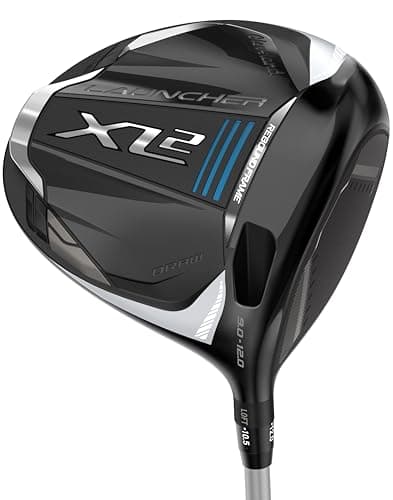
Cleveland Cleveland Launcher XL 2 Driver (Graphite, 10.5°, Regular)
Cleveland Launcher XL 2 Driver (Graphite, 10.5°, Regular)

The one most beginners should actually buy — a current-generation, major-brand game-improvement driver built around Cleveland's highest-ever driver MOI, so off-centre hits still fly straight and far while you learn to find the middle.

Beginners who want one driver to grow into
7.8
$299.99Amazon
02
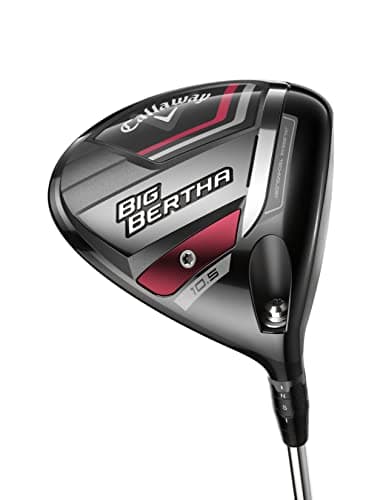
Callaway Callaway Big Bertha Driver (2023)
Callaway Big Bertha Driver (2023)

The most forgiving driver here and the one to buy if the budget stretches — a genuine game-improvement head in a high-launch, light-flex build.

Game-improvement distance and forgiveness
7.6
$399.99Amazon
03
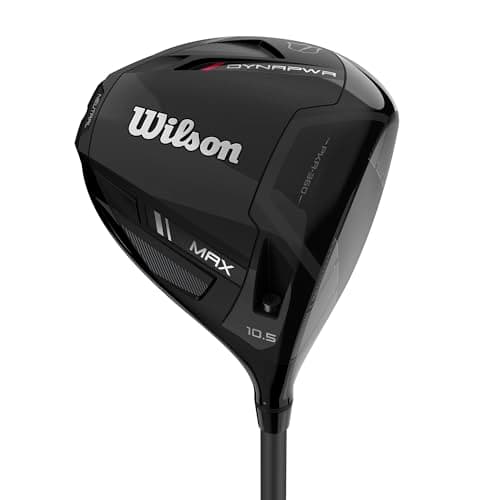
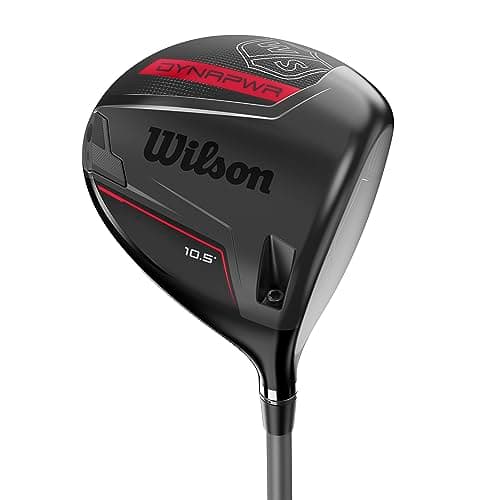
Wilson Wilson Dynapower Driver (13°, Regular)
Wilson Dynapower Driver (13°, Regular)

The high-launch pick — a forgiving, rear-weighted Wilson driver in its highest 13° loft, so a slower or steeper beginner swing gets the ball up and carrying without a fight, for less than the premium heads.

Beginners who need maximum launch
7.4
$289.99Amazon
04
Cobra Cobra Air-X 2 Offset Women's Driver
Cobra Air-X 2 Offset Women's Driver

A featherweight, offset driver built to fight a slice and help a slower swing find speed — sold as Cobra's women's Air-X.

Slower swing speeds fighting a slice
7.0
$349.00Amazon
05
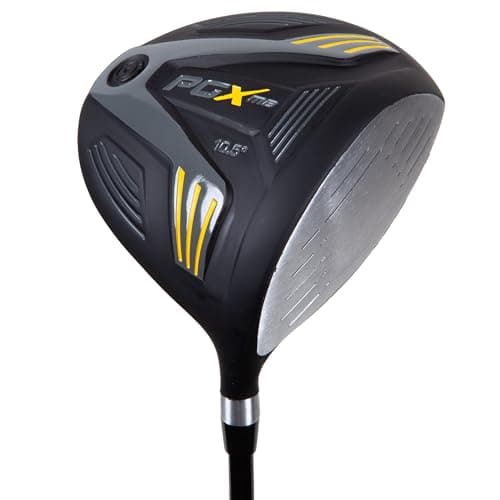
Pinemeadow Pinemeadow PGX Driver
Pinemeadow PGX Driver

A budget offset driver that does the one job a beginner needs — get it airborne and pointed straight — for a fraction of the brand-name price.

The best value driver
7.0
$99.95Amazon

#ad · Live prices from the Amazon Product API, as of Jul 31, 2026. Where we have no verified live price, we show none — we would rather leave a gap than print a number that has rotted.

In detail

The picks, in full

01
Cleveland Cleveland Launcher XL 2 Driver (Graphite, 10.5°, Regular)

Beginners who want one driver to grow into

Cleveland Launcher XL 2 Driver (Graphite, 10.5°, Regular)

10.5° loft, Regular flex (this listing)460cc adjustable head (12 loft settings)MainFrame XL AI variable face (Cleveland)Highest-ever Cleveland driver MOI (Cleveland claim)
7.8/10

The one most beginners should actually buy — a current-generation, major-brand game-improvement driver built around Cleveland's highest-ever driver MOI, so off-centre hits still fly straight and far while you learn to find the middle.

Forgiveness
9
Distance
8
Feel
8
Playability
7
Value
7

Pros

  • Cleveland's oversized 'XL' head posts their highest driver MOI ever — big gains in heel/toe and high/low stability — so mishits hold their line and keep more ball speed than a smaller head, which is exactly what a developing swing needs
  • An AI-designed MainFrame XL variable-thickness face is built to keep ball speed up across the whole face, and low-and-deep weighting launches it high and easy without a tour swing
  • A real, current-generation major-brand driver with an adjustable hosel and resale value — you can tune the loft as your swing settles and trade it in later, which the no-name drivers can't offer

Cons

  • A big, forgiving game-improvement head is built for stability, not shot-shaping — you won't work it left and right like a compact players' driver, and a better ball-striker will find it a lot of head
  • It's one of the pricier drivers here — a value offset driver gets a beginner airborne for a fraction of it

Skip this if…

you already flight the driver well and want to shape shots, or the budget is tight. This is a lot of (very good) game-improvement driver — a better swing will prefer a more compact, workable head, and a brand-new golfer on a budget can get the ball airborne for far less with the Pinemeadow.

$299.99View on Amazon

Price as of Jul 31, 2026. Prices change — Amazon's is the one that counts.

#ad · we may earn a commission from this link to Cleveland Launcher XL 2 Driver (Graphite, 10.5°, Regular)

02
Callaway Callaway Big Bertha Driver (2023)

Game-improvement distance and forgiveness

Callaway Big Bertha Driver (2023)

12.5° loft (this listing)Game-improvement driverLight-flex shaft optionHigh-launch, forgiving
7.6/10

The most forgiving driver here and the one to buy if the budget stretches — a genuine game-improvement head in a high-launch, light-flex build.

Forgiveness
9
Distance
8
Feel
8
Playability
7
Value
6

Pros

  • Big, forgiving footprint that holds ball speed on off-center hits better than anything else in this roundup
  • This listing's 12.5° loft and light flex launch it high and easy — well suited to moderate and slower swings
  • A current-generation Callaway head, not a decade-old design on clearance

Cons

  • Costs multiples of the budget drivers here — the forgiveness is real, but so is the price
  • The high-loft, light-flex build is a specific spec; a faster player would want a stiffer shaft and less loft

Skip this if…

you're on a tight budget or you swing it hard. This exact listing is a high-launch, light-flex 12.5°, built for moderate speed; a fast swinger will balloon it and should choose a lower loft and firmer flex, and a beginner can get airborne for far less.

$399.99View on Amazon

Price as of Jul 31, 2026. Prices change — Amazon's is the one that counts.

#ad · we may earn a commission from this link to Callaway Big Bertha Driver (2023)

03
Wilson Wilson Dynapower Driver (13°, Regular)

Beginners who need maximum launch

Wilson Dynapower Driver (13°, Regular)

13° loft, Regular flex (this listing)Rear-weighted high-MOI head (Wilson)AI-designed variable-thickness face (Wilson)Standard model — not the draw-biased Max
7.4/10

The high-launch pick — a forgiving, rear-weighted Wilson driver in its highest 13° loft, so a slower or steeper beginner swing gets the ball up and carrying without a fight, for less than the premium heads.

Forgiveness
8
Distance
8
Feel
7
Playability
6
Value
8

Pros

  • This is the 13° loft — the most in the Dynapower line — which makes it one of the easiest drivers here to get airborne for a slow or moderate swing, where a beginner's carry actually comes from
  • Wilson builds the Dynapower around a rear-weighted, high-MOI chassis and an AI-shaped face designed to hold ball speed on off-centre strikes — a genuinely forgiving head that reviewers consistently find flatters a mishit
  • A lot of current major-brand driver for the money — it usually undercuts the premium game-improvement heads while giving up little in forgiveness

Cons

  • This listing is the standard Dynapower, not the draw-biased Dynapower Max — it's a neutral-flighted head, so it won't straighten a slice the way the offset Cobra Air-X or Pinemeadow will
  • 13° is a lot of loft: right for a slow swing that needs height, but a faster beginner may balloon it and lose distance — take a lower loft instead if you already flight it high

Skip this if…

your miss is a slice, or you already launch the driver high. The neutral 13° head is built to add height, not to fight a slice — a golfer who leaks it right wants the offset, draw-biased Cobra Air-X or Pinemeadow, and a faster swing that already flights it up wants less loft than this.

$289.99View on Amazon

Price as of Jul 31, 2026. Prices change — Amazon's is the one that counts.

#ad · we may earn a commission from this link to Wilson Dynapower Driver (13°, Regular)

04
Cobra Cobra Air-X 2 Offset Women's Driver

Slower swing speeds fighting a slice

Cobra Air-X 2 Offset Women's Driver

Lightweight buildOffset, draw-biased headWomen's flex shaftAnti-slice / slow-swing focus
7.0/10

A featherweight, offset driver built to fight a slice and help a slower swing find speed — sold as Cobra's women's Air-X.

Forgiveness
8
Distance
7
Feel
7
Playability
6
Value
7

Pros

  • The light overall weight helps a slower swing generate clubhead speed, which is where distance actually comes from
  • Offset and a draw bias genuinely help straighten out a slice
  • Forgiving, high-launch head that gets the ball up easily

Cons

  • This is the women's/offset Air-X — a lightweight, ladies-flex build, not a neutral men's driver; match it to a genuinely slow swing
  • The offset and draw bias that fix a slice get in the way if you already draw the ball or want to work it

Skip this if…

you have moderate-to-fast swing speed or you don't slice. The lightweight, ladies-flex, offset design is tuned for a slow swing that leaks right — feed it real speed and you'll lose control and turn the draw bias into a hook.

$349.00View on Amazon

Price as of Jul 31, 2026. Prices change — Amazon's is the one that counts.

#ad · we may earn a commission from this link to Cobra Air-X 2 Offset Women's Driver

05
Pinemeadow Pinemeadow PGX Driver

The best value driver

Pinemeadow PGX Driver

Oversized offset headDraw-biased designBudget tierGraphite shaft
7.0/10

A budget offset driver that does the one job a beginner needs — get it airborne and pointed straight — for a fraction of the brand-name price.

Forgiveness
7
Distance
7
Feel
6
Playability
6
Value
9

Pros

  • A fraction of the price of a name-brand driver, which is the whole point
  • Offset, draw-biased head helps a beginner's slice and gets the ball up
  • A sensible first driver, or a cheap gap-filler while you decide what you really want

Cons

  • Doesn't hold ball speed on mishits the way a modern game-improvement head like the Big Bertha does
  • Limited shaft and loft choice, and the feel is what you'd expect at the price

Skip this if…

you want the last few yards and the tightest dispersion. A budget head can't match a current game-improvement driver's forgiveness on off-center strikes — if you can stretch the budget and you play often, the Big Bertha is the better long-term buy.

$99.95View on Amazon

Price as of Jul 31, 2026. Prices change — Amazon's is the one that counts.

#ad · we may earn a commission from this link to Pinemeadow PGX Driver

How much loft should a beginner’s driver have?

More than you probably think. Loft launches the ball, and launch is where a moderate swing finds carry — so if you’re unsure, take the higher number. For most beginners that means a driver in the 10.5° to 13° range rather than the 9° to 10.5° a faster player might choose. A slower or smoother swing especially benefits from a 12° or 13° head like the Wilson Dynapower or the Big Bertha listing here, which get the ball up without a steep, aggressive strike. Only a genuinely fast swing with a steep angle of attack wants a low loft, and a beginner almost never has both. Several of these drivers also have an adjustable hosel— the Cleveland Launcher XL 2 offers a range of loft settings — so you can add loft as you learn and take some away later if you speed up. When in doubt, more loft is the safer, longer answer.

How much should a beginner spend on a driver?

Think in brackets, not badges. The value offset drivers here — the Pinemeadow especially — sit at the bottom of the market and do the core job of getting the ball airborne and straight for a fraction of a brand-name price, which is exactly right if you’re not sure you’ll stick with the game or you expect your swing to change a lot. A current major-brand game-improvement head like the Cleveland or the Callaway costs several times as much, and what you’re buying is more forgiveness on mishits, an adjustable hosel and resale value — worth it if you play often and want one driver to keep. A sensible middle path is a lightly usedgame-improvement driver a model year or two old: the year-on-year gains in this category are small, and last season’s forgiving head is often a third less than this season’s. We show the live price on every pick below so you can buy on today’s number, not a stale one.

The driver is the hardest club in the bag — set your expectations

The driver has the longest shaft and the least loft of anything you’ll swing, which makes it the hardest club in the bag to hit consistently — even a forgiving one. Do not judge a new driver by the first bucket of range balls; give it a few rounds, tee the ball high so you catch it on the up, and remember that a fairway you can play from beats ten yards you have to go looking for. A big part of driving well as a beginner is club choice off the tee, too: on a tight hole, a hybridor a fairway wood in play is worth more than a driver in the trees. The right driver makes the good swings count and forgives the bad ones; it can’t make the swing for you, and no driver on the market can. Match the head to your miss and your budget, expect a learning curve, and let the forgiveness do its job.
How we ranked this

We don't run a testing lab — and we say so

We compiled published manufacturer specifications, official standards and aggregated owner reviews, computed the running costs the big test-labs leave out, and scored each pick against a published rubric. The scores are judgments from documented research — they are notlab measurements we took, because we don't have a lab and we're not going to pretend we do. You can check every number we publish.

Questions

Frequently asked

What is the most forgiving driver for a beginner?
A large, high-MOI game-improvement head with high launch — like the Cleveland Launcher XL 2 here, which Cleveland builds around their highest-ever driver MOI. Forgiveness comes from a big, stable head that keeps ball speed on off-centre strikes, plus high launch and often an offset or draw bias to fight a slice. A compact “players” driver is the opposite of what a beginner wants. If your budget is tight, a value offset driver like the Pinemeadow gets you most of the way for far less.
Should a beginner buy a driver on its own or in a set?
If you’re starting from scratch, a complete set is usually the smarter first buy — you get a forgiving driver plus irons, a putter and a bag for one price, and the driver in a good beginner set is already easy to hit. Buy a standalone driver when you already have a set you like and the driver is the club you want to upgrade. Our best golf clubs for beginners roundup ranks the complete sets.
What loft driver should a beginner use?
Usually 10.5° to 13°. Loft launches the ball, and a moderate swing gets more carry from a higher launch, so when in doubt take more loft, not less. A slower or smoother swing especially benefits from a 12° or 13° head. Only a genuinely fast swing with a steep attack angle wants a low loft, and most beginners don't have that — so higher loft is the safer, longer choice.
Will an anti-slice driver fix my slice?
It helps, but it doesn’t cure the swing fault underneath. An offset, draw-biased driver like the Cobra Air-X or the Pinemeadow PGX is built to start the ball more to the left and reduce the side spin that curves it right, so a slice stays in play instead of sailing out of bounds. That’s genuinely useful while you learn. But the lasting fix is the swing — an anti-slice driver buys you playable tee shots in the meantime, not a new golf swing.

Keep reading

Receipts

Sources

We do not run a testing lab, and we do not pretend to. Every spec number here comes from a manufacturer's published sheet or an official standard, cited above. Where we could not verify something, we say so on the page rather than quietly leaving it out. Read our full method.