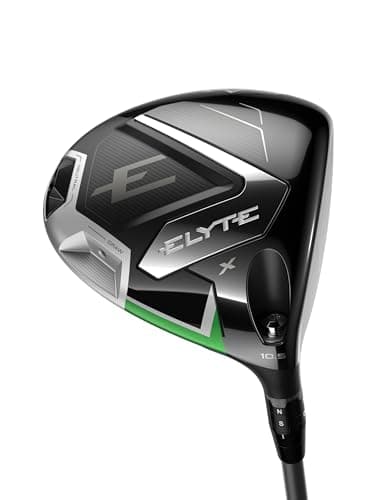
The best driver for a slicer is the Callaway Elyte X in the 10.5° regular build we rank here — a genuinely forgiving current-generation head with a movable weight you can set to neutral or draw, so the correction can be turned down as your swing improves. But the principle matters more than the pick: a slice is an open clubface on an out-to-in path, and a draw-biased driver fixes it by putting weight in the heel so the face closes faster through impact. That works. It also keeps working after your swing gets better, which is why the heads on this page are ranked partly on whether you can dial the correction back. Below are six drivers ranked on how much they help a slice, whether the help is fixed or adjustable, and what they cost, with a live price and an honest catch on every one.
What a slice is, and what a driver can honestly do about it
A right-handed slice starts left of the target or at it, then curves hard to the right and lands short, because the ball is spinning on a tilted axis. Two things cause that tilt: a face that is open to the path at impact, and a path that travels out-to-in across the ball. The face is the bigger contributor — roughly speaking, where the face points decides where the ball starts and how much it curves — and it is the part a driver can influence. A draw-biased head moves mass toward the heel, which makes the toe end of the club easier to rotate through impact and closes the face a little faster than a neutral head would. Some heads go further with an upright lie angle or a visibly offset hosel, both of which also help the face arrive square. None of it changes your path; a driver cannot stop you swinging across the ball. What it can do is turn a 40-yard slice into a 10-yard fade you can play, and for most golfers who buy one, that is the difference between hitting the fairway and reloading.
Be honest about the size of your miss before you buy, because the fix is proportional to the problem. A golfer who slices every drive wants a strongly biased head, and a golfer whose miss is a mild fade wants a mild bias — or a neutral head and a lesson. The most common mistake on this page is the mild slicer who buys the strongest-correcting club and spends the summer hooking it. If the swing itself is what you want to fix, the drills and aids in our training aids to fix a slice guide address the path and the face directly; the drivers below address the result.
Fixed bias vs adjustable: the decision that decides the ranking
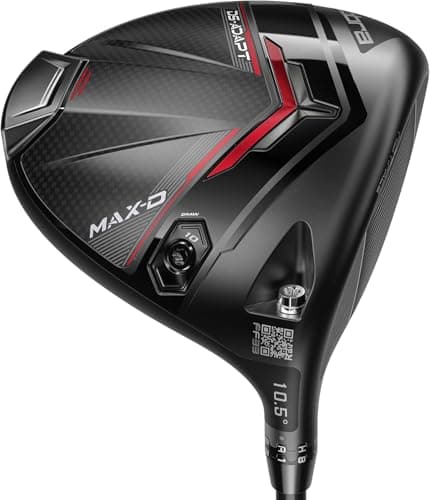
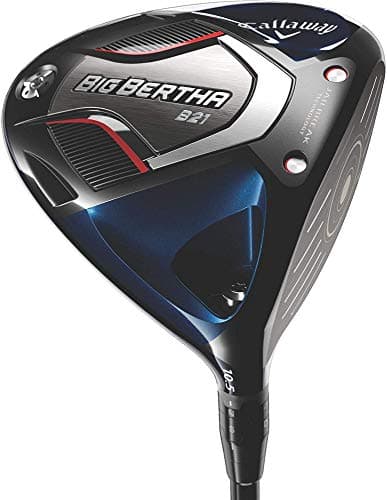
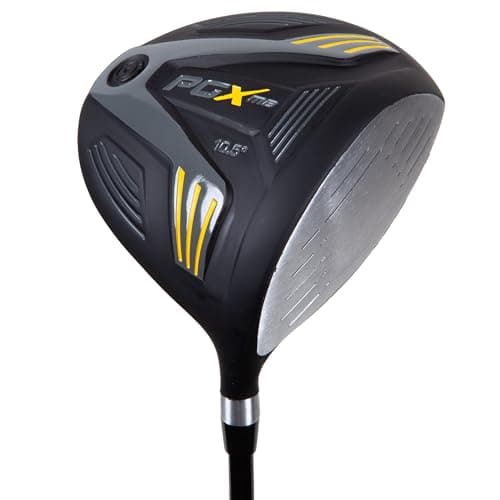
Draw drivers come in two kinds, and the difference matters more than the brand. A fixed-bias head has the draw weighting built into the casting — the Callaway Big Bertha B21 and the Pinemeadow PGX Offset are examples — and it corrects the same amount on every swing you ever make with it. That is exactly right for a golfer whose slice is severe and stable. An adjustable head lets you change how much it corrects: the Callaway Elyte X carries a movable weight with a neutral and a draw position, and the Cobra DS-Adapt MAX-D has a 33-setting hosel that adjusts lie as well as loft. Those cost more, and most golfers set them once. But a slice is the miss most likely to improve with lessons and practice, and an adjustable head is the only one that can be walked back toward neutral when it does — which is why the two adjustable heads take the top two places here even though the fixed heads correct just as hard.
How we ranked these (the criteria)
We scored on four things, in this order:
- How much it actually corrects a slice. Heel weighting, lie angle and offset, as the maker publishes them, weighted above everything else. A forgiving driver with no draw bias is a good driver, but it is the wrong driver on this page.
- Whether you can turn the correction down. A movable weight or a hosel that changes lie earns a real premium, because it is the difference between a club you keep for five years and a club you outgrow in one.
- Forgiveness on the strikes a slicer makes. An out-to-in swing tends to catch the heel and the high toe. Heads that hold ball speed and line on those strikes rank higher than heads that only reward the center.
- Price for what you get.The correction is not expensive to build — a budget offset head closes the face as surely as a flagship does. We ranked value honestly, and we say so where the expensive club is paying for adjustability rather than for a better slice fix.
Every ASIN below is one specific loft and flex, stated in the specs on each pick, because the build is as important as the head: nearly every slicer wants the 10.5° or 12° version and the lighter, softer shaft, and a 9° stiff build of the same driver is a different club. Scores are judgments from published manufacturer specs, independent reviews and aggregated owner feedback against our rubric, not lab measurements — we don’t run a lab and won’t pretend to.
Loft, shaft and weight: the other half of the fix
Draw bias gets the headlines, but three ordinary specs do a lot of the quiet work against a slice. Loft first: more loft adds backspin, and backspin reduces the sidespin-to-backspin ratio that makes a ball curve, so a 10.5° or 12° head slices less than a 9° head with the identical face angle — take the loft. Shaft weight and flex next: a shaft you can actually load helps you release the club, and a lighter build is easier to square, which is why every pick here ships on a light graphite shaft and why we rank the regular and light flexes rather than the stiff ones; our graphite vs steel guide covers the weight side. And grip last: a grip that is too thick for your hands restricts the wrist release that squares the face, so if you are regripping a slicer’s driver, err toward the standard size rather than a jumbo.
Match the head to the size of your slice
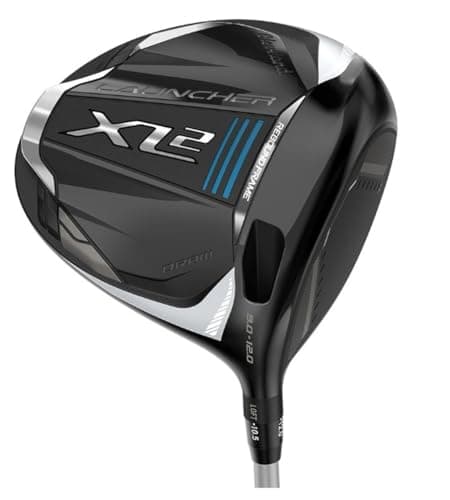
If your ball starts left and curves hard right every time, you want the strongest fixed correction — the Big Bertha B21 with its internal draw weighting, or the Pinemeadow PGX Offset if the budget is the deciding factor. If your slice is real but you are working on it, the Elyte X or the Cobra MAX-D let you start with the full correction and back it off later. If your slice comes with a slower swing — the most common combination over 60, and the one our best drivers for a slow swing speed page is built around — the light Cleveland Launcher XL 2 Draw is the head that addresses both problems at once. And if you are new to the game and the slice is just one of several things going on, start with the forgiving field in our best drivers for beginners instead; a beginner’s miss changes too fast to build a driver around.
Skip this: the older flagship at more than its successor
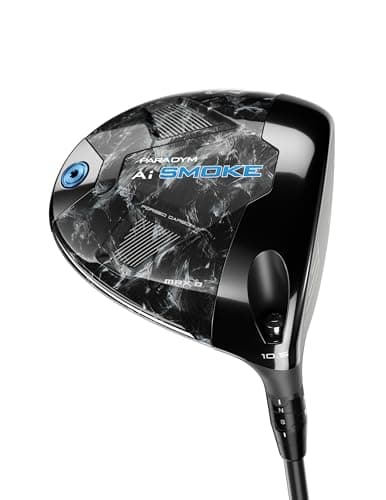
The Callaway Paradym Ai Smoke Max D is a very good draw driver — a 2024 flagship head with the Ai Smart Face and a 360° carbon chassis, and the most draw-biased Ai Smoke model. We rank it last anyway, because at the time of writing the listing costs more than the Elyte X that replaced it, and the Elyte X adds the movable weight the Ai Smoke never had. Paying a premium for the older, less adjustable version of the same idea is the one clearly wrong purchase on this page. The live price is on the card: if it drops well below the Elyte X, the Ai Smoke Max D becomes a sensible discount buy, and we say so in its “skip this if”. Until then, buy its successor. The wider driver field — neutral heads included — is ranked in our main driver roundup.
Offset vs draw bias: what the words mean
The two terms get used as if they were the same thing, and they are not. Offset is geometry: the hosel is set ahead of the face, so the clubhead trails the shaft by a fraction and the face has a few extra milliseconds to square before it meets the ball. It is visible at address, it is common on budget and beginner drivers like the Pinemeadow, and it works. Draw bias is weighting: mass moved toward the heel, sometimes with a more upright lie angle, so the toe rotates through impact faster and the face closes. It is invisible at address, it is how the major brands do it, and it is what the Elyte X, the Cobra MAX-D, the Launcher XL 2 Draw and the Big Bertha B21 use. Both fix the same fault. Offset tends to correct harder and is harder to undo; heel weighting can be made adjustable. Neither is a substitute for a square face at the top of the backswing, which is a lesson, not a purchase.
Will a draw driver make me hook it?
It can, and this is the honest risk of the category. A draw-biased head corrects an open face by a fixed amount; if your face is already square, or your slice was a temporary product of a swing change that has settled, the same correction turns a straight ball into a pull-hook that goes as far into trouble on the left as the slice did on the right. That is the whole argument for the adjustable heads at the top of this page, and it is why every pick states plainly who should not buy it. A useful test before you spend: hit twenty drives with your current driver and count the shots that curve right. If it is most of them, buy a draw head. If it is a handful, buy a lesson, and revisit this page if the slice is still there in a month.
When the driver is not the answer
Some golfers slice the driver and nothing else, and for them a draw head is the right purchase. Others slice everything longer than a 7-iron, and for them the driver is the symptom, not the disease. If the slice runs through the whole bag, the money is better spent on the cause — grip, setup and path — and on the club that will actually find the fairway in the meantime. A high-lofted hybrid or a 5-wood off the tee slices far less than a driver, because the extra loft adds the backspin that keeps the ball from curving, and it costs a fraction of a new driver. Play that for a season while the swing changes, then buy the driver your improved swing wants, which may well be a neutral one.