Skip to content
Divot&Draw

The Sticks · Golf Clubs

The Best Golf Wedges for Beginners

A beginner's short game needs forgiveness, not tour grooves. Ranked by which wedge flatters a developing strike — with live prices and the blade to skip for now.

By Stephen V.Updated How we rank
#ad

We earn a commission when you buy through our Amazon links, at no extra cost to you. It never changes our rankings — and we'll tell you when the cheaper ball or club is the better buy. How this works.

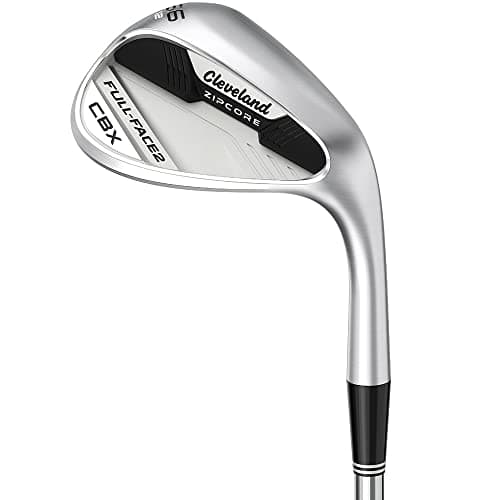
The wedge that helps a beginner is the opposite of the one the tour plays. A new golfer’s short game needs forgiveness— a club that glides through the turf instead of digging, and grips the ball even on an off-centre strike — not the razor-sharp grooves and thin sole of a tour blade. The Cleveland CBX Full-Face tops this list because it delivers exactly that: a cavity-back, game-improvement wedge that spins like a Cleveland while flattering a strike that isn’t yet perfect. Read the “best for” on each row, because the right wedge depends on your specific short-game trouble.

Every pick here is chosen for a developing short game, and each solves a different beginner problem. The CBX Full-Faceis the forgiving all-rounder — the one wedge to buy if you buy one. The Wilson Harmonizedis the value pick that covers the basics at a fraction of a tour wedge’s price. And the Square Strike Wedgeis the anti-chunk specialist — if you thin and chunk chips, its heavy, wide sole makes the short chip almost foolproof, though it’s a one-shot club rather than a do-everything wedge.

What actually matters in a beginner’s wedge

We ranked these on what a new golfer feels around the green, in this order. First, forgiveness— a wide, anti-dig sole and a cavity-back or full-face design keep a slightly fat or thin strike playable, which is most of what saves a beginner shots. Second, versatility— a wedge you can chip, pitch and hit from a bunker is more use than a specialist while you’re still learning every shot. Third, value— there’s no reason to pay for tour grooves you can’t yet use. What we deliberately did notweight heavily is outright greenside spin and shot-shaping: those are a better player’s priorities, and chasing them puts a hard-to-hit blade in the bag of someone who needs help, not precision.

That is why the list runs the way it does. The CBX is the most forgiving genuinely versatile wedge here; the Harmonized is the value way to add a 56° without overspending; and the Square Strike is the targeted fix for the single most demoralising beginner miss — the chunked chip. Which loft to start with? A single 56° sand wedge is the most useful first wedge for most beginners, and the guide to what clubs a beginner needs covers how it fits the rest of the bag.

Skip this: a tour blade wedge, for now

The wedge to walk past as a beginner is a tour blade like the Cleveland RTX— a superb club in the right hands, and the wrong first wedge for a developing short game. A thin-soled blade punishes a fat or thin strike instead of forgiving it, so the sharpest grooves in golf spend their life chunked behind the ball. Buy the forgiveness first; earn the blade later, once you strike your chips cleanly. The full tour-vs-game-improvement decision is laid out in our RTX vs CBX comparison.

The short answer

Quick picks

#ProductBest forScorePrice
01
Cleveland Cleveland CBX Full-Face 2 Wedge
Cleveland CBX Full-Face 2 Wedge

The forgiving wedge — a cavity-back, full-face design that flatters a less-than-perfect strike while still spinning like a Cleveland.

Higher handicaps who want a forgiving wedge
7.4
$96.99Amazon
02
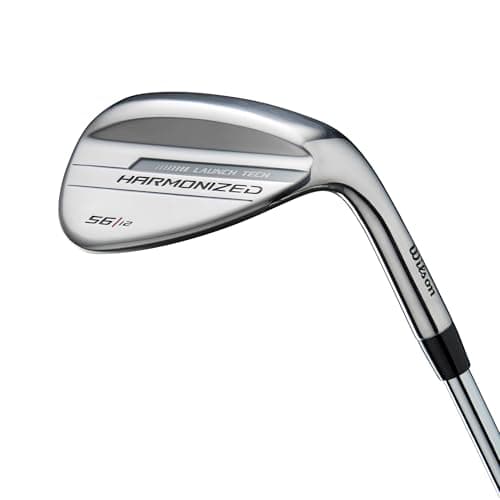
Wilson Wilson Harmonized Wedge (56°)
Wilson Harmonized Wedge (56°)

A budget wedge that covers the basics — a classic-shaped 56° for far less than a tour wedge, if spin and grind options aren't your priority.

The best value wedge
6.8
$68.16Amazon
03
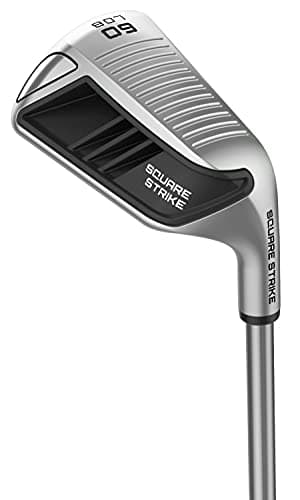
Square Strike Square Strike Wedge
Square Strike Wedge

A specialist anti-chunk wedge that makes the short chip almost foolproof — a genuine confidence fix, within honest limits.

Beginners who chunk or blade chips
6.4
$119.00Amazon

#ad · Live prices from the Amazon Product API, as of Jul 26, 2026. Where we have no verified live price, we show none — we would rather leave a gap than print a number that has rotted.

In detail

The picks, in full

01
Cleveland Cleveland CBX Full-Face 2 Wedge

Higher handicaps who want a forgiving wedge

Cleveland CBX Full-Face 2 Wedge

60° loft (this listing)Cavity-back / hollow designFull-face groovesGame-improvement wedge
7.4/10

The forgiving wedge — a cavity-back, full-face design that flatters a less-than-perfect strike while still spinning like a Cleveland.

Forgiveness
9
Distance
7
Feel
7
Playability
7
Value
7

Pros

  • Cavity-back, game-improvement construction is far kinder to an off-center strike than a tour blade
  • Full-face grooves grip on open-face and toe-side contacts — genuinely useful on flops and awkward lies
  • Cleveland grooves and a wide, forgiving sole that resists digging

Cons

  • Not as workable or as pure-feeling as the RTX blade for a skilled short game
  • The forgiveness comes from a chunkier head some better players don't like the look of

Skip this if…

you're a clean ball-striker who wants to shape and flight wedges. The forgiving cavity-back does less of what a precise short game asks for — the RTX blade gives you more control and feel.

$96.99View on Amazon

Price as of Jul 26, 2026. Prices change — Amazon's is the one that counts.

#ad · we may earn a commission from this link to Cleveland CBX Full-Face 2 Wedge

02
Wilson Wilson Harmonized Wedge (56°)

The best value wedge

Wilson Harmonized Wedge (56°)

56° loftClassic blade shapeTrue-bounce soleBudget tier
6.8/10

A budget wedge that covers the basics — a classic-shaped 56° for far less than a tour wedge, if spin and grind options aren't your priority.

Forgiveness
6
Distance
7
Feel
6
Playability
6
Value
9

Pros

  • A proper single-loft wedge for a fraction of a tour wedge's price
  • Classic shape and a sole grind that works from most normal lies
  • A sensible way to add a 56° gap without paying for grooves you may not use yet

Cons

  • Won't spin or last like Cleveland's premium grooves
  • One sole grind and a basic feel — fine, not special

Skip this if…

your scoring leans on greenside spin and shot-making. A budget wedge's grooves fade faster and grip less than a tour wedge's; if the short game is your strength, buy the RTX and keep it.

$68.16View on Amazon

Price as of Jul 26, 2026. Prices change — Amazon's is the one that counts.

#ad · we may earn a commission from this link to Wilson Harmonized Wedge (56°)

03
Square Strike Square Strike Wedge

Beginners who chunk or blade chips

Square Strike Wedge

Anti-chunk chipping/pitching wedgeHeavy, wide anti-dig soleTournament-legal (USGA conforming)Single-purpose short-game club
6.4/10

A specialist anti-chunk wedge that makes the short chip almost foolproof — a genuine confidence fix, within honest limits.

Forgiveness
9
Distance
5
Feel
6
Playability
5
Value
7

Pros

  • The heavy, wide sole is built to resist digging, so the club glides through instead of chunking — it really does stop the fat chip
  • Simple to use: a putting-style stroke sends it low and running, the highest-percentage short shot for most amateurs
  • Tournament-legal, so you can actually carry it in a real round

Cons

  • It's a one-shot club — a low, running chip and short pitch — not a wedge you flop, spin, or hit full
  • You give up a bag slot to a single-purpose club, and you'll still need a real sand wedge for bunkers and high shots

Skip this if…

you already chip cleanly or you want one wedge that does everything. It fixes a specific fault — the chunked chip — and does little else; a competent short game or a versatile wedge like the CBX makes it redundant.

$119.00View on Amazon

Price as of Jul 26, 2026. Prices change — Amazon's is the one that counts.

#ad · we may earn a commission from this link to Square Strike Wedge

How much should a beginner spend on a wedge?

Less than you might think. A forgiving cavity-back wedge sits in the mid-double-digit to low-triple-digit dollar range, and the value pick here costs about half that — either is plenty for a developing short game. A tour blade costs more for grooves and grind options a beginner can’t yet use, so it’s exactly the wrong place to spend early. We show the live price on every pick so you can buy on today’s number, and the full arithmetic on where wedge money ranks against the rest of the bag is in our cost guide. Buying used is fine too, as long as you check the grooves aren’t worn smooth — the used-vs-new guide covers what to look for.

Which lofts, and how many, to start with

Keep it simple. Most beginners are best served by one versatile wedge to start— a 56° sand wedge covers greenside chips, pitches and bunker shots, and your set’s pitching wedge covers the longer ones. You do notneed a full four-wedge setup as a beginner; that’s a scoring refinement for a player who already controls distance. Add a gap wedge (around 52°) or a lob wedge (around 60°) later, once you can feel the gaps in your yardages. Getting a single forgiving 56° right, and learning to chip cleanly with it, will do far more for your score than a bagful of specialist wedges — and if the chunked chip is your specific nemesis, the Square Strike is a legitimate, tournament-legal shortcut to confidence while you build the skill.
How we ranked this

We don't run a testing lab — and we say so

We compiled published manufacturer specifications, official standards and aggregated owner reviews, computed the running costs the big test-labs leave out, and scored each pick against a published rubric. The scores are judgments from documented research — they are notlab measurements we took, because we don't have a lab and we're not going to pretend we do. You can check every number we publish.

Questions

Frequently asked

What wedge should a beginner buy first?
A forgiving 56° sand wedge. A cavity-back, game-improvement wedge like the Cleveland CBX Full-Face glides through the turf and grips on off-centre strikes, which is exactly what a developing short game needs. It covers chips, pitches and bunkers, so it’s the one wedge to own before you add specialists. See how it fits the bag in what clubs a beginner needs.
Should a beginner buy a tour wedge like the Cleveland RTX?
Not yet. A tour blade has a thin sole that digs and punishes a fat or thin strike, so it’s harder to hit than a forgiving cavity-back wedge. The sharp grooves are wasted if the club is chunking behind the ball. Start with a game-improvement wedge and step up to a blade once you strike your chips cleanly — the RTX vs CBX comparison explains the trade.
How many wedges does a beginner need?
One to start — a forgiving 56° sand wedge, alongside the pitching wedge that comes with your set. That covers most greenside and short-approach shots while you learn. Add a gap or lob wedge later, once you can feel the distance gaps in your bag. A full four-wedge setup is a refinement for a player who already controls their yardages.
Will a special wedge stop me chunking chips?
A heavy, wide-soled anti-chunk wedge like the Square Strike genuinely helps — its sole is built to resist digging, so the club glides instead of chunking, and it’s tournament-legal. It’s a one-shot club (a low, running chip), not a do-everything wedge, so treat it as a confidence fix while you build the skill. Our Square Strike review covers its honest limits.

Keep reading

Receipts

Sources

We do not run a testing lab, and we do not pretend to. Every spec number here comes from a manufacturer's published sheet or an official standard, cited above. Where we could not verify something, we say so on the page rather than quietly leaving it out. Read our full method.