Replace a golf glove on wear, not on a schedule. Unlike grips, which age on the shelf and justify a calendar rule, a glove fails from use — and how fast depends almost entirely on the material, how much you sweat, and whether you let it dry between rounds. The practical answer for most golfers: a premium cabretta glove is noticeably past its best inside a season of regular play, a durable synthetic goes considerably longer, and either one is finished the moment the palm has glazed.
The signs a glove is done
| Sign | What it means | Verdict |
|---|
| Shiny, glazed palm | The nap that provided grip has been polished flat by use and sweat | Replace — this is the clearest signal |
| A hole at the heel of the thumb | The classic wear point; the glove has stopped being a single piece | Replace |
| Stiff, board-like leather | Dried out after being stored wet, usually with heat | Replace — leather does not come back from this |
| You are re-gripping the club mid-swing | The hold is slipping and you are compensating without noticing | Replace, then check the grip too |
| Loose across the palm | Stretched out; a glove that moves cannot hold the club | Replace — and check you sized it right |
| Slight discoloration only | Cosmetic. Sweat marks a glove long before it kills one | Keep playing it |
The quickest test is the one you can do standing over the ball: take your normal hold and try to twist the club in your hands. A working glove resists. A finished one lets the grip turn, and that little bit of slip is what your hands quietly compensate for by squeezing harder for eighteen holes.
How long a glove lasts, by material
No manufacturer publishes a round count, and any page that gives you a precise one is guessing. What we can do honestly is rank the materials by how they fail, which is the part that is actually consistent:
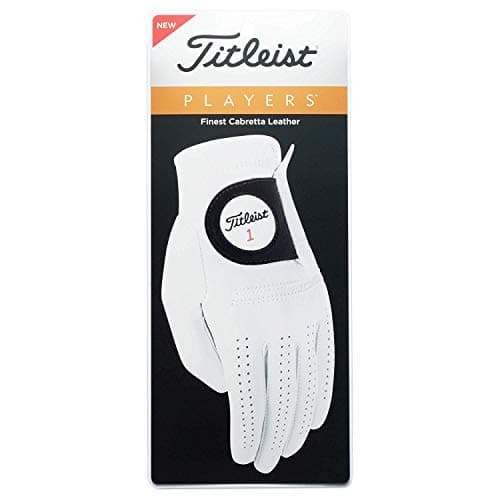
- Premium cabretta leather(FootJoy StaSof, Titleist Players) — the thinnest, best-feeling option and the shortest-lived. Thin leather is what delivers the feel, and thin leather is what wears through. It also hates water: soak a cabretta glove and dry it wrong and it hardens permanently.
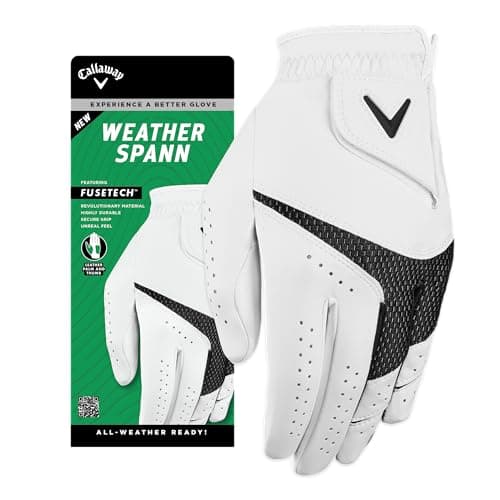
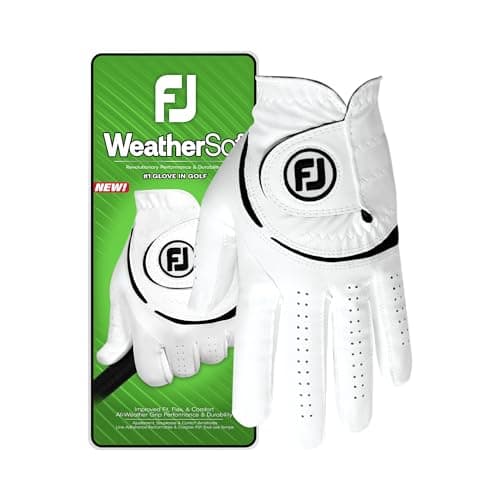
- Hybrid and synthetic(FootJoy WeatherSof, Callaway Weather Spann) — built around durability and breathability rather than maximum feel. These are the gloves that survive heat, sweat and frequent play, and they are the sensible default for most golfers for exactly that reason.
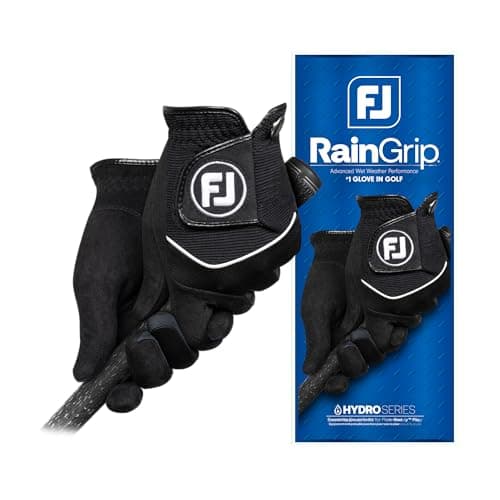
- Rain gloves(FootJoy RainGrip) — a different product with a different failure mode. The knit palm grips harder as it gets wetter, so it does not fail the way leather does; it wears out mechanically instead. Sold and worn as a pair.
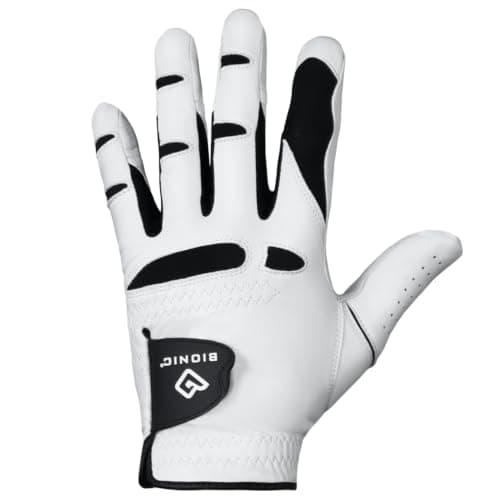
- Stabilized / anatomic(Bionic StableGrip) — built with padding and relief zones for hand comfort, and marketed on durability rather than thin feel.
The pattern is simple and it is the same trade as everywhere else in golf: the more feel you buy, the sooner you buy again. Our best golf gloves roundup ranks all six with live prices, and WeatherSof vs Titleist Players is the durable-versus-premium call settled head to head.
The rotation habit that changes the math
The single highest-leverage thing you can do is stop wearing one glove into the ground. Playing two or three gloves in rotation and letting each dry fully between rounds extends the life of every one of them — FootJoy’s own guidance is that rotating between multiple gloves extends glove life because it gives them time to dry out. A glove that is put away damp is a glove that will be stiff next week.
Three rules that follow from that:
- Take it off between shots on a hot day. Sweat is what glazes a palm. Peeling the glove off while you walk costs nothing.
- Dry it flat and slowly.Not balled in a side pocket, not on a radiator. Heat is what hardens leather — the radiator is what turns a good glove into a board.
- Store it flat, not crumpled. A glove that dries in the shape of a fist keeps that shape.
Is it the glove, or is it the grip?
This is the question this page exists to answer, because golfers replace the glove, feel no better, and conclude the glove was fine. The glove and the grip are two halves of one connection, and either one going slick produces exactly the same symptom — you gripping harder without deciding to.
The test is quick. Clean the grip with warm water and a little dish soap, dry it, then hold the club bare-handed. If the grip still feels slick and hard with no glove involved, the grip is finished and a new glove will not fix it. If the bare grip feels tacky and the problem only appears with the glove on, it is the glove. Our how often to regrip guide covers the grip half of this, and it is worth knowing that grips wear on a calendar as well as on use, so the answer is quite often “both”.
Which hand, and how it should fit
A right-handed golfer wears one glove on the left hand — the top hand on the grip — and a left-handed golfer wears it on the right. The bottom hand usually stays bare. A rain glove is the exception: it is sold and worn as a pair, because in the wet you want both hands gripping.
A new glove should feel snug across the palm with no loose material, and the fingertips should reach the end without bunching. Leather stretches a little in the first round or two, so a glove that is comfortably roomy on day one is a glove that will be sloppy by round five — and a sloppy glove reads as a worn one long before it actually is. If you are between sizes, the cadet fitting exists for hands with shorter fingers relative to palm width. Full sizing guidance is on the gloves roundup, and it doubles as a cross-check on your grip size— the same glove size that fits your hand also tells you which grip size to fit.