Feel is the thing golfers actually decide on in a shop — you pick a grip up, squeeze it, and something in your hand says yes or no. It is also the criterion nobody explains, so this page does. There are four feels worth naming, they come from three material families, and the right one for you is decided almost entirely by two things: how much your hands sweat, and whether they hurt afterwards. Our main grip roundup ranks the same field on hands, weather and whole-bag cost; this page cuts it by feel alone. And if feel is secondary to the fact that your hands sweat, start with best golf grips for sweaty hands instead — corded is almost certainly your answer.
The four feels, side by side
| Feel | Material | In the hand | Suits |
|---|
| Tacky | Polymer | Slightly sticky, grabs back when you close your hand | Gloveless players, sore hands, anyone who over-grips |
| Soft | Polymer / soft rubber | Cushioned, absorbs the strike, quiet through the hands | Joint pain, arthritis, high-vibration steel shafts |
| Corded | Cotton cord in rubber | Abrasive, almost fabric-like; bites the glove | Sweaty hands, humidity, rain, glove wearers |
| Firm | Rubber blend | Conventional, moderate feedback, nothing dramatic | Almost everyone in dry conditions; the safe default |
Tacky: the grip that lets you hold on loosely
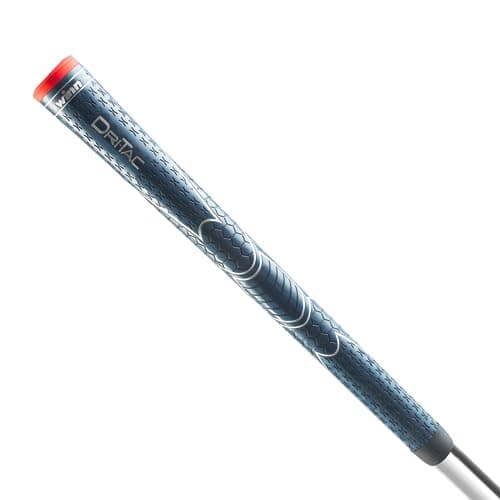
A tacky polymer grip does something the others do not — it grips you back. That matters more than it sounds, because the single most common fault in an amateur hold is squeezing too hard, and grip pressure is the fastest route to a tense swing. When the surface is doing some of the work, your hands do not have to. This is why tacky polymer is the standard recommendation for golfers who play without a glove and for anyone whose hands ache after eighteen holes. The Winn Dri-Tac is the reference point here: soft, tacky, and forgiving of a light hold.
The trade is durability and marking. Tacky surfaces attract dirt and skin oils, they show wear sooner, and they discolor with use in a way plain rubber does not. You are buying a feel that is excellent and does not last as long — which is a perfectly good deal if you regrip on schedule, and an annoying one if you intended these to last three seasons.
Soft: cushioning, for hands that hurt
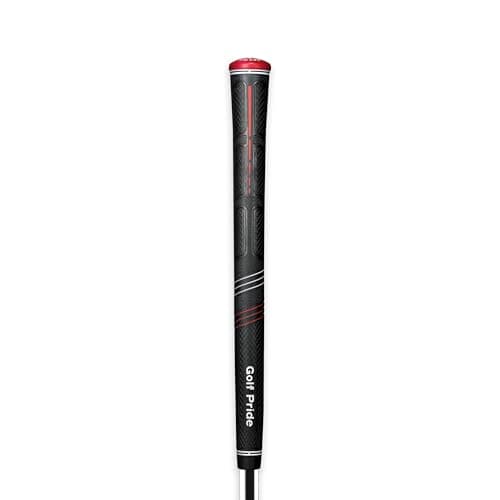
Soft is a close cousin of tacky and the two often overlap, but the design intent is different. A soft grip is built to absorb— to take the sting out of a strike before it reaches your joints. If you play steel-shafted irons and feel every thin shot in your hands and elbows, this is the family that helps. The Golf Pride CP2 Pro is the mainstream version: a soft rubber outer over a firmer inner core, so it cushions without turning to mush.
If comfort is the whole reason you are here rather than one factor among several, go a step further: our grips for arthritis guide covers the oversize and low-pressure options built specifically for aching hands, and sizing up is often as effective as softening — see the grip size chart.
Corded: the only feel that wins when it is wet
Cord is the outlier. It feels harsh in the shop — drier, rougher, almost like canvas — and that is precisely the property you are buying. Cotton fibers set into the rubber wick moisture and hold traction when a smooth surface has given up. In August humidity, in a downpour, or in the hands of someone who simply sweats a lot, a corded grip is not slightly better than a smooth one; it is the difference between holding the club and not.
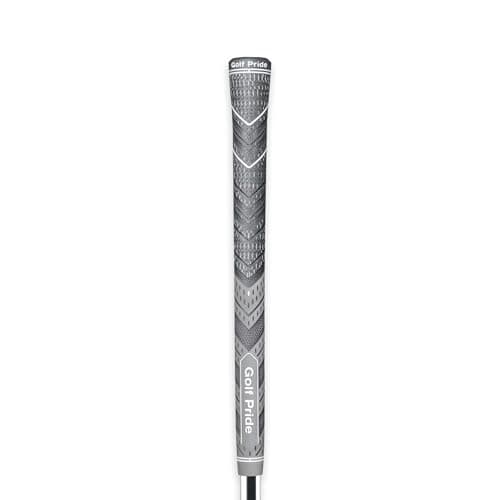
The cost is comfort. Cord is abrasive, and if you play a lot without a glove it will tell you about it — blisters and callusing are normal, not a defect. The usual answer is the hybrid approach the MCC Plus4 popularized: cord where the top hand and the weather need it, plain rubber lower down where your hand does the most work. If your hands are sensitive or you have any joint pain, cord is the one family to rule out.
Firm rubber: the default that is right more often than golfers admit
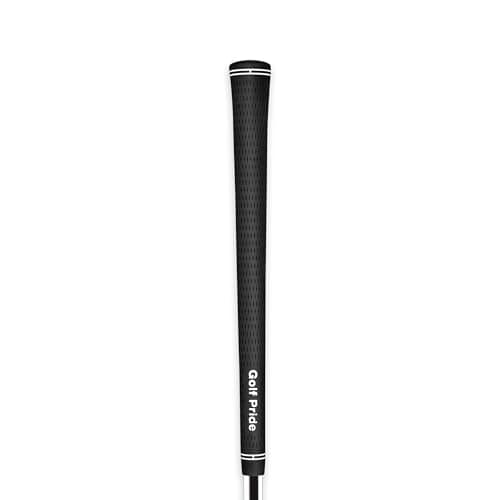
A plain rubber-blend grip is unglamorous, moderately textured, moderately grippy, and the cheapest of the majors. It is also the correct answer for a large share of golfers, because most golf is played in conditions where none of the specialist properties above earn their money. The Tour Velvet is the archetype and the reason it has been the default grip in golf for decades. The honest caveat: plain rubber is the family that gives up soonest when it is truly wet, so if your golf is humid or rainy, spend up to cord.
Feel changes as a grip ages — and that is the real problem
Here is the point that makes this whole page moot if you ignore it: every feel above degrades into the same feel, which is hard and slick. A tacky grip loses its tack, a soft grip glazes, and cord polishes flat. A worn premium grip feels worse than a new cheap one, so choosing the perfect feel and then playing it for four years is a worse decision than picking a decent one and replacing it on time. The interval and the warning signs are in our how often to regrip guide, and the at-home method is in how to regrip golf clubs.
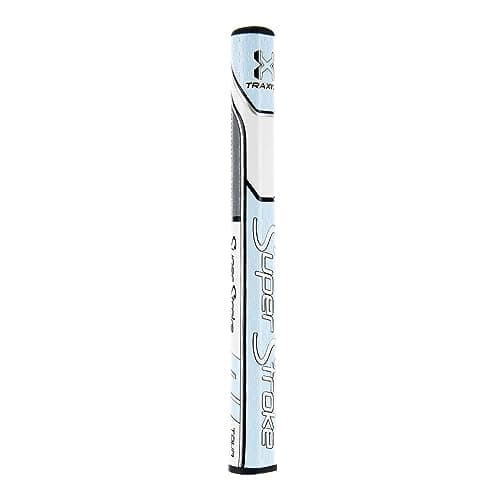
One footnote on the putter. Putter grip feel is a separate decision governed by a separate rule — putter grips may legally be non-circular, which is why flat-fronted oversize grips like the SuperStroke Traxion Tour conform while the same shape would be illegal on an iron. Choose a putter grip to quiet your hands, not to match the rest of the bag.