Skip to content
Divot&Draw

The Ball · Golf Balls

TaylorMade TP5 Alternatives

The TP5's argument is five layers: less spin off the driver, more off the wedge. Six balls ranked on how they chase the same thing with fewer layers - and for less.

By Stephen V.Updated How we rank
#ad

We earn a commission when you buy through our Amazon links, at no extra cost to you. It never changes our rankings — and we'll tell you when the cheaper ball or club is the better buy. How this works.

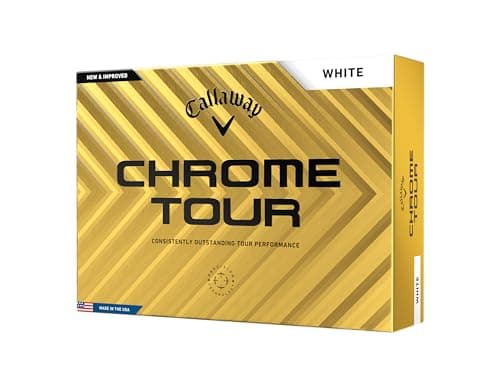
Callaway Callaway Chrome Tour
$47.99View on Amazon

Price as of November 22, 2026. Prices change — Amazon's is the one that counts.

#ad · we may earn a commission from this link to Callaway Chrome Tour

For the golfer who wanted the TP5's spin separation rather than its badge: Callaway's own four-piece urethane answer to the tour-ball category, built around maximum short-game spin, with a medium feel between the Pro V1 and the softer Chrome Soft.

Budget pick

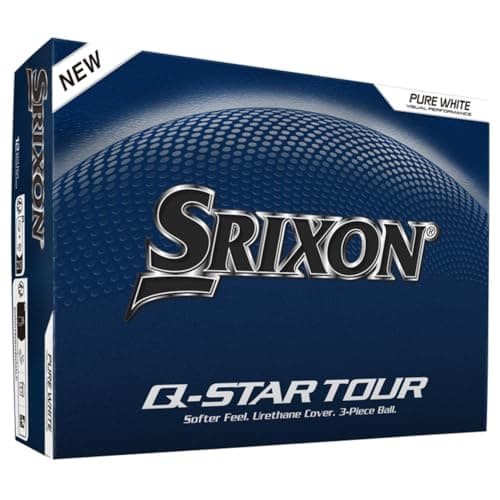
Srixon Q-Star Tour — the cheapest urethane ball here you can sensibly buy a single dozen of - a three-piece tour ball at a mid-tier price, giving up a layer and some driver-spin separation $39.99 on Amazon

The verdict: the Callaway Chrome Touris the TP5 alternative to buy. It is Callaway’s four-piece urethane answer to this exact category, built around maximum greenside spin with a medium feel, and it chases the same thing the TP5 does — separating what the ball does off a driver from what it does off a wedge — with one fewer layer and usually less money. If what you actually liked about the TP5 was the height, the Titleist Pro V1x is the swap: four pieces, higher flight, more spin, firmer feel. Budget pick: the Srixon Q-Star Tour, a urethane-covered ball at a mid-tier price. Prices are live from our price layer, stamped November 22, 2026.

What the TP5 is actually selling you

Five layers, and it is worth being precise about what the layer count is for, because it is the only reason this page needs to exist separately from our other two alternatives pages. A multi-layer ball is an attempt to make the ball respond differently to different impacts. A driver strike compresses the ball deeply and engages the core; a wedge strike barely compresses it at all and engages mostly the cover and the layer beneath. More layers means more scope to tune those two responses independently — in principle, less spin where spin costs you distance and more where spin saves you strokes.

That is a genuine engineering argument and it is also a tour-player refinement. For a golfer shooting in the nineties, the gap between a five-layer and a four-layer urethane ball is far smaller than the gap between a urethane ball and an ionomer one — and far smaller than the gap between playing the same ball every round and playing whatever you found in the trees. That is why the ranking below is not sorted by layer count, and why the cheapest urethane ball here is a genuine recommendation rather than a consolation.

The alternatives, by what you are chasing

  • Spin separation, for less: the Callaway Chrome Tour. Four pieces, a Hyper Fast Soft core, and what Callaway calls a High-Performance Tour Urethane Soft cover built for short-game bite. This is the like-for-like swap, and it is the pick. The head-to-head against the Pro V1 is Pro V1 vs Chrome Tour.
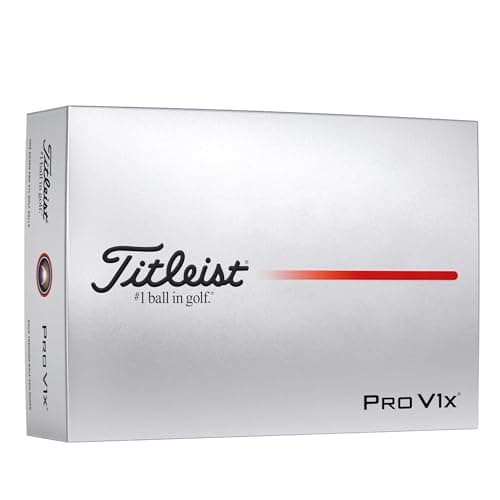
  • Height, which is what many TP5 players are really after: the Pro V1x.Four pieces, urethane, firm, and Titleist’s higher-flying, higher-spinning model. If your TP5 was doing a job your old ball could not — getting a mid-iron up and holding a green — this is the closest substitute. The direct comparison is Pro V1x vs TP5.
  • Urethane on a budget: the Srixon Q-Star Tour. Three pieces, urethane cover, mid compression, mid-price. You give up a layer and some of the separation argument; you keep the cover, which is the component that does most of the greenside work.
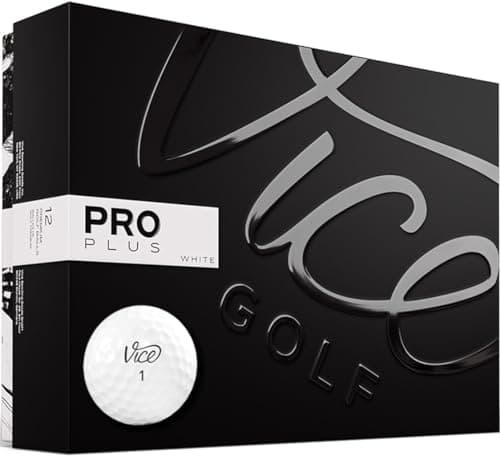
  • Urethane by the box: the Vice Pro Plus.Four pieces, urethane, firm, sold direct to consumer. It is nominally the cheapest ball on this page, and the honest caveat is that the value case is a multi-box order — a single dozen is not dramatically cheaper than a sale-price major-brand ball. Which is why the budget pick above is the Q-Star Tour and not this. Our review is here.
  • The default, if you want the category’s benchmark: the Pro V1. Three pieces, urethane, firm. It is the ball the TP5 was designed to take sales from, and the head-to-head is Pro V1 vs TP5.

The one to skip, and why it is here at all

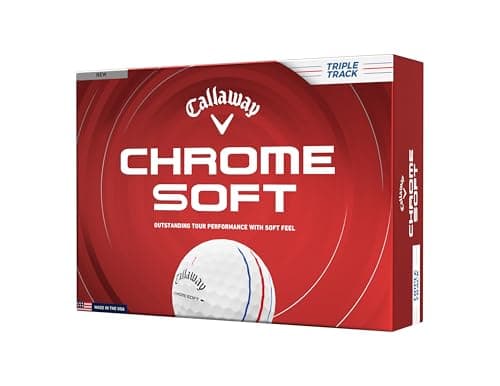
The Callaway Chrome Softis ranked last, and it is on the page only so we can say why. It is an excellent ball and it is the top pick on another page of ours — but its entire pitch is soft feel, and soft feel is not what the TP5 is for. Swapping a firm five-layer tour ball for a softer premium ball because both cost about the same is how golfers end up wondering why their wedges stopped behaving. If feel is genuinely what you liked, buy it deliberately and read Chrome Soft alternativesinstead — that page is organized around feel, which is a different question from this one.

Who should not be playing any ball on this page

A golfer losing two or three balls a round. Every ball ranked here has a urethane cover, and a urethane cover is a greenside feature you are paying for and then donating to a lake. That is not a judgement about your golf; it is arithmetic. Play a value ball until your ball-in-play rate climbs, and the field is in best golf balls under $30 a dozen and are expensive golf balls worth it.

A second group: anyone with a moderate swing speed who bought a TP5 because a playing partner did. A firm tour ball asks to be compressed, and if you do not compress it you get the cover benefits and none of the distance ones. The honest page for that reader is best golf balls for slow swing speeds.

The short answer

Quick picks

#ProductBest forScorePrice
01
Callaway Callaway Chrome Tour
Callaway Chrome Tour

Callaway's actual answer to the Pro V1: a 4-piece urethane ball built for maximum short-game spin, with a medium feel that sits between the Pro V1 and the softer Chrome Soft.

Pro V1 money, more greenside bite
8.0
$47.99Amazon
02
Titleist Titleist Pro V1x
Titleist Pro V1x

The Pro V1's higher-flying, firmer sibling — more spin, more height, a touch less soft.

Faster swings who want a higher flight
8.0
$52.99Amazon
03
Srixon Srixon Q-Star Tour
Srixon Q-Star Tour

A urethane-covered tour ball at a mid-tier price — the smart bridge from value to premium.

The best urethane value
7.8
$39.99Amazon
04
Vice Vice Pro Plus
Vice Pro Plus

A direct-to-consumer urethane ball that undercuts the majors — if you buy it by the box.

Tour performance on a budget (in bulk)
7.8
$37.99Amazon
05
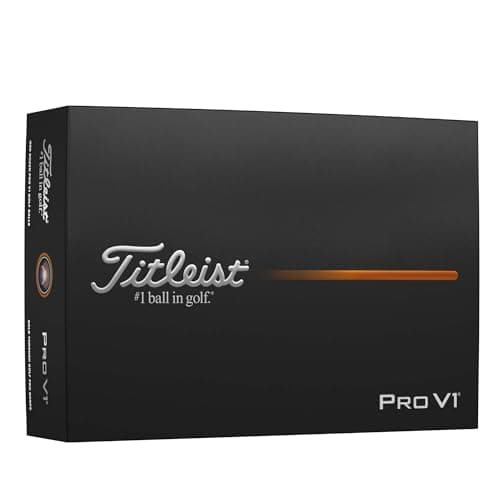
Titleist Titleist Pro V1
Titleist Pro V1

The default tour ball, and the one your buddy is right about — if your swing can use it.

Low handicaps who spin it on demand
8.0
$47.99Amazon
06
Callaway Callaway Chrome Soft
Callaway Chrome Soft

The premium ball for players who want tour spin without the tour-firm feel.

Mid handicaps who prize soft feel
7.8
$50.00Amazon

#ad · Live prices from the Amazon Product API, as of November 22, 2026. Where we have no verified live price, we show none — we would rather leave a gap than print a number that has rotted.

In detail

The picks, in full

01
Callaway Callaway Chrome Tour

Pro V1 money, more greenside bite

Callaway Chrome Tour

4-piece construction (Callaway)Hyper Fast Soft CoreHigh-Performance Tour Urethane Soft CoverSeamless Tour Aero; premium tier
8.0/10

Callaway's actual answer to the Pro V1: a 4-piece urethane ball built for maximum short-game spin, with a medium feel that sits between the Pro V1 and the softer Chrome Soft.

Distance
8
Greenside spin
10
Feel
8
Durability
8
Value
6

Pros

  • Callaway's own chart puts Chrome Tour at maximum short-game spin and mid long-game spin — more greenside bite than the Chrome Soft and a lower-spinning driver flight, which is the combination a good player actually wants
  • A genuine 4-piece build against the Pro V1's three, with a Hyper Fast Soft Core that Callaway publishes as chasing a better balance of long distance and soft feel rather than pure speed
  • It is consistently cheaper per dozen than the Pro V1 at the same shelf, which makes it the obvious first experiment for anyone paying tour-ball prices out of habit

Cons

  • Callaway aims this at better players and says so; it is not a soft, easy ball, and a slower swing will get less out of the 4-piece construction than out of the Chrome Soft
  • Callaway does not publish a compression number for the Chrome Tour, so a direct firmness comparison against the Pro V1's published 87 is not available — the honest description is medium feel, which is Callaway's own word

Skip this if…

…you want soft feel above everything. Callaway makes the Chrome Soft for exactly that reader and classes its own feel as soft against the Chrome Tour's medium — buying the Tour for feel is buying the wrong ball from the right company.

$47.99View on Amazon

Price as of November 22, 2026. Prices change — Amazon's is the one that counts.

#ad · we may earn a commission from this link to Callaway Chrome Tour

02
Titleist Titleist Pro V1x

Faster swings who want a higher flight

Titleist Pro V1x

4-pieceUrethane coverFirm compressionHigher launch/spin
8.0/10

The Pro V1's higher-flying, firmer sibling — more spin, more height, a touch less soft.

Distance
9
Greenside spin
10
Feel
8
Durability
8
Value
5

Pros

  • Flies higher and lands steeper than the Pro V1 — useful into firm greens
  • A touch more spin through the bag for players who can handle it
  • Same tour-grade cover and durability as the Pro V1

Cons

  • The firmer feel isn't for everyone — some players prefer the Pro V1's softer strike
  • Same premium price and the same speed requirement to make it worthwhile

Skip this if…

…you already flight the ball high or you like a soft feel off the putter. The extra height and firmer click are the whole difference, and if you don't want either, the Pro V1 is the better buy at the same price.

$52.99View on Amazon

$57.999% off

Price as of November 22, 2026. Prices change — Amazon's is the one that counts.

#ad · we may earn a commission from this link to Titleist Pro V1x

03
Srixon Srixon Q-Star Tour

The best urethane value

Srixon Q-Star Tour

3-pieceUrethane coverMid compressionMid-price tier
7.8/10

A urethane-covered tour ball at a mid-tier price — the smart bridge from value to premium.

Distance
8
Greenside spin
8
Feel
8
Durability
7
Value
8

Pros

  • A real urethane cover — the thing that separates tour balls from value balls — for meaningfully less than a Pro V1
  • Mid compression suits a wider range of swing speeds than a firm tour ball
  • The genuine sweet spot for a mid-handicapper who wants greenside spin without the top-tier price

Cons

  • Not quite the durability or the very last few percent of spin of the $50 balls
  • Still costs more than a two-piece value ball you might lose just as fast

Skip this if…

…you lose two or three balls a round. The urethane cover is wasted money if it spends its life at the bottom of a lake — play a Soft Feel or Supersoft until your ball-in-play rate climbs.

$39.99View on Amazon

Price as of November 22, 2026. Prices change — Amazon's is the one that counts.

#ad · we may earn a commission from this link to Srixon Q-Star Tour

04
Vice Vice Pro Plus

Tour performance on a budget (in bulk)

Vice Pro Plus

4-pieceUrethane coverFirm compressionDTC value
7.8/10

A direct-to-consumer urethane ball that undercuts the majors — if you buy it by the box.

Distance
8
Greenside spin
8
Feel
8
Durability
7
Value
8

Pros

  • Cast-urethane cover and a firm tour construction at a lower per-dozen price than the Titleist/Callaway premiums
  • The value gets dramatically better buying multiple dozen at once
  • A genuine high-flight, high-spin tour ball, not a value ball in disguise

Cons

  • The savings mostly show up at bulk quantities, not a single dozen
  • Not stocked in the pro shop, so you're committing to a mail-order supply

Skip this if…

…you want to try one sleeve before committing. The value case is a multi-box order; a single dozen isn't dramatically cheaper than a sale-price Pro V1.

$37.99View on Amazon

Price as of November 22, 2026. Prices change — Amazon's is the one that counts.

#ad · we may earn a commission from this link to Vice Pro Plus

05
Titleist Titleist Pro V1

Low handicaps who spin it on demand

Titleist Pro V1

3-pieceUrethane coverFirm (tour) compressionPremium tier
8.0/10

The default tour ball, and the one your buddy is right about — if your swing can use it.

Distance
8
Greenside spin
10
Feel
9
Durability
8
Value
5

Pros

  • The most consistent greenside spin and flight window of anything here
  • The cover holds up better than most urethane balls before it scuffs
  • The one ball a low-handicapper's short game is genuinely calibrated to

Cons

  • Costs roughly twice a very good value ball, and you lose them at the same rate
  • A slower swing won't compress it enough to see the spin you're paying for

Skip this if…

…you shoot north of 90 and lose more than a sleeve a round. You are paying tour-ball money for spin your swing can't unlock and then hitting it into a pond. Play a value ball until you stop losing them.

$47.99View on Amazon

$57.9917% off

Price as of November 22, 2026. Prices change — Amazon's is the one that counts.

#ad · we may earn a commission from this link to Titleist Pro V1

06
Callaway Callaway Chrome Soft

Mid handicaps who prize soft feel

Callaway Chrome Soft

Urethane coverSofter than a Pro V1Triple Track optionPremium tier
7.8/10

The premium ball for players who want tour spin without the tour-firm feel.

Distance
8
Greenside spin
9
Feel
9
Durability
8
Value
5

Pros

  • Genuinely soft off the face while still holding urethane greenside spin
  • The Triple Track alignment lines are a real, free putting aid
  • A better feel match than the Pro V1 for a lot of moderate swing speeds

Cons

  • Priced right alongside the Pro V1 — this is not the value play
  • Slightly lower full-swing spin than the firmest tour balls

Skip this if…

…you want the maximum greenside bite and don't care about a soft feel. The Pro V1x spins more; the Chrome Soft's whole pitch is feel, and if that's not what you value you're paying premium money for the wrong strength.

$50.00View on Amazon

$57.9914% off

Price as of November 22, 2026. Prices change — Amazon's is the one that counts.

#ad · we may earn a commission from this link to Callaway Chrome Soft

The arithmetic: cost per round, not cost per dozen

The only ball number worth computing is cost per round, and it depends far more on you than on the box. A dozen premium balls played by a golfer who loses one a round lasts twelve rounds. The same dozen played by a golfer who loses three a round lasts four. That one variable swamps every price difference on this page, which is why the first question is not which ball but how many balls.

Run it on yourself before you choose. Count the balls you actually lose over three rounds, divide the live dozen price in the table above by the number of rounds a dozen will survive, and compare that to the cover you are buying. If the answer is uncomfortable, the fix is not a cheaper tour ball — it is a value ball now and a tour ball when you stop donating them.

Why the cover matters more than the layer count

If you only remember one thing from this page: the component that does the greenside work is the cover, and urethane versus ionomer is a bigger difference than four layers versus five. Urethane is softer and shears against a wedge groove, which is what produces check on a pitch; ionomer is harder, more durable and spins less. Every ball ranked here has a urethane cover, which is precisely why a three-piece urethane ball at a mid-tier price is a legitimate TP5 alternative and not a downgrade in disguise.

Layer count then decides how the ball behaves at the other end of the bag — off a driver, where you want less spin. That is a real benefit and it is the smaller of the two. Prioritise the cover, then the layers, then the feel, and you will rarely buy the wrong ball.

Compression, and the claim to be careful with

Every ball on this page is in the firm-to-medium band, which is where tour balls live. The marketing around compression tends to imply that matching compression to swing speed unlocks distance, and the honest version is narrower: a very firm ball struck at a moderate speed does not deform much, so you get less of the energy return the core was designed for, and the ball feels like hitting a rock off the putter. That is a real effect at the extremes and a small one in the middle.

The mechanism, with what is and is not supported, is in compression explained, and if you would rather answer the question with your own bag than with a chart, our ball selector walks through speed, spin and budget.

Why we do not print the price in the text

Every number on this page comes from the live Amazon listing through our price layer at the moment the page is served, behind a 48-hour freshness gate, stamped with the date above. Golf balls are the most heavily and most erratically discounted category on this site — a ball that is dearest today is sometimes cheapest next week — which is exactly why this page is organized by construction and by what you are chasing rather than by a price order that would be wrong next month. Check the live figures in the table before you decide.
How we ranked this

We don't run a testing lab — and we say so

We compiled published manufacturer specifications, official standards and aggregated owner reviews, computed the running costs the big test-labs leave out, and scored each pick against a published rubric. The scores are judgments from documented research — they are not lab measurements we took, because we don't have a lab and we're not going to pretend we do. You can check every number we publish.

Questions

Frequently asked

What is the best TaylorMade TP5 alternative?
The Callaway Chrome Tour: a four-piece urethane ball built for maximum greenside spin with a medium feel, which chases the TP5’s spin-separation argument with one fewer layer and usually for less. If height was what you liked about the TP5, the Titleist Pro V1x is the swap. Live prices for both are in the table above.
Is there a cheaper ball that does what the TP5 does?
Partly. The Srixon Q-Star Tour keeps the urethane cover — the component that does the greenside work — at a mid-tier price, giving up a layer and some driver-spin separation. The Vice Pro Plus is nominally cheaper still and is a four-piece urethane ball, but its value case depends on ordering by the box rather than the dozen. Our review is here.
Does a five-layer golf ball actually do anything?
In principle yes: more layers give a designer more scope to make the ball respond differently to a deep driver compression than to a shallow wedge strike, which is where the less-spin-off-the-tee, more-spin-off-the-wedge argument comes from. In practice it is a tour-player refinement, and the gap between four layers and five is far smaller than the gap between a urethane cover and an ionomer one.
TP5 or TP5x - and does that change the alternative?
We rank the TP5, not the TP5x, so we will not characterise a ball we have no listing for. What we can say is that the choice within a brand’s tour pair is almost always flight and feel rather than quality — which is the same axis that separates the Pro V1 from the Pro V1x, and that comparison is Pro V1 vs Pro V1x. Pick the alternative that matches the flight you wanted.
Should a mid or high handicapper play a tour ball at all?
Only if you keep them in play. A urethane cover is a greenside feature, and losing two or three a round means paying for a feature and then donating it. Play a value ball until your ball-in-play rate climbs — best golf balls under $30 a dozenis the field — and the honest reckoning is in are expensive golf balls worth it.

Keep reading

Receipts

Sources

We do not run a testing lab, and we do not pretend to. Every spec number here comes from a manufacturer's published sheet or an official standard, cited above. Where we could not verify something, we say so on the page rather than quietly leaving it out. Read our full method.