Skip to content
Divot&Draw

The Ball · Golf Balls

Callaway Chrome Soft Alternatives

The Chrome Soft sells on two things at once: soft feel and urethane spin. Five alternatives ranked by which of the two you are trying to keep - and which you are willing to give up.

By Stephen V.Updated How we rank
#ad

We earn a commission when you buy through our Amazon links, at no extra cost to you. It never changes our rankings — and we'll tell you when the cheaper ball or club is the better buy. How this works.

Srixon Srixon Q-Star Tour
$39.99View on Amazon

Price as of November 18, 2026. Prices change — Amazon's is the one that counts.

#ad · we may earn a commission from this link to Srixon Q-Star Tour

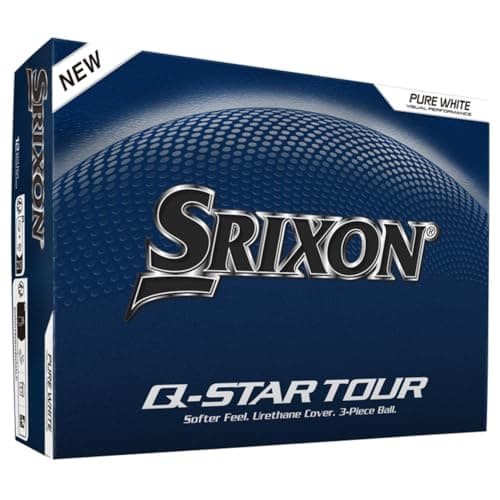
The closest honest swap: a urethane-covered tour ball at mid compression, so you keep the greenside spin and the softer-than-tour feel that make the Chrome Soft what it is, for meaningfully less per dozen.

Budget pick

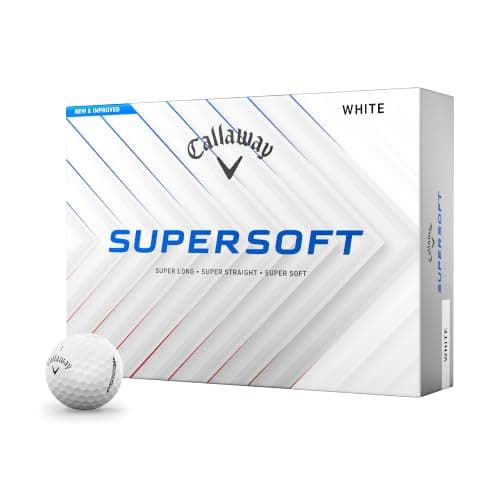
Callaway Supersoft — Callaway's own soft ball without the urethane cover — the cheapest way to keep the feel, as long as you accept losing greenside bite $24.99 on Amazon

The verdict: the closest alternative is the Srixon Q-Star Tour— a urethane-covered tour ball built at mid compression rather than tour-firm, which is the same combination the Chrome Soft sells, at a mid-tier price instead of a premium one. Budget pick: the Callaway Supersoft, Callaway’s own soft ball without the urethane cover, which keeps the feel for a fraction of the money and costs you greenside bite. Prices are live from our price layer, stamped November 18, 2026.

First, what the Chrome Soft is actually known for, because an alternatives page is only worth reading if it is honest about the original. Callaway publishes it as a three-piece, urethane-covered ball and places it in its own comparison grid at soft feel, low long-game spin and high short-game spin. That is an unusual combination and it is why the ball has the following it has: most balls that feel soft are two-piece ionomer balls that slide across a wedge face, and most balls with real greenside spin feel firm. The Chrome Soft does both, which is exactly why it is hard to replace, and it is a top-three pick on our own spin roundup. We are not going to pretend otherwise to sell you something else.

Two kinds of alternative, and you have to choose

Because the Chrome Soft sells two properties at once, “an alternative” splits into two completely different purchases. Work out which half you are actually buying for and the decision becomes easy:

  • Keep the cover. If you hit greenside wedges and expect the ball to check, the property you must not give up is the urethane cover. Urethane deforms around wedge grooves and lets them grip; harder ionomer slides across them. The urethane alternatives here are the Srixon Q-Star Tour, the Callaway Chrome Tour and the Vice Pro Plus, and the cheapest of them still costs several times what a value ball does — because the cover is the expensive part.
  • Keep the feel. If what you love is the soft click off the putter and the face, and your scoring shots are run-ups rather than flop shots, you can keep that for very little money. The Callaway Supersoft and the TaylorMade SpeedSoft are soft two-piece ionomer balls, and the SpeedSoft is published by TaylorMade at 35 compression, which is softer than the Chrome Soft is. You will lose greenside bite. For a lot of golfers that is the right trade, and we will say so.

What you cannot do is get both halves for value-tier money. No ball keeps urethane spin and costs what a Supersoft costs, and any page telling you otherwise is selling something.

The urethane lane, ranked

The Srixon Q-Star Touris the top pick on this page because it matches the Chrome Soft on both of the things that make it distinctive, rather than one. Srixon builds it as a three-piece ball with a urethane cover at mid compression — softer than a tour-firm ball, so a moderate swing speed can compress it, with the cover that creates greenside spin. That is the Chrome Soft’s own recipe at a mid-price tier instead of a premium one, which is why we call it the bridge from value to premium. We have run it directly against the ball you are replacing in Q-Star Tour vs Chrome Soft.

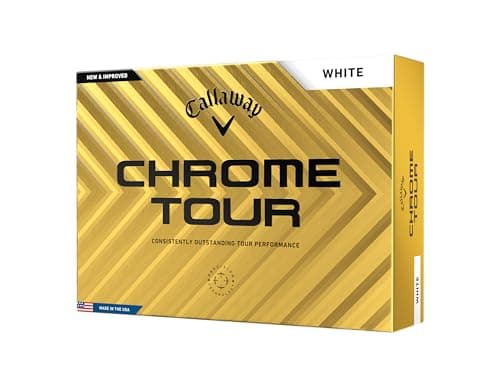
The Callaway Chrome Tour is the in-family move, and the right one if your complaint about the Chrome Soft is that you want morefrom it rather than less. Callaway’s own grid places the Chrome Tour at maximum short-game spin against the Chrome Soft’s high, with a four-piece construction against the Chrome Soft’s three and a Hyper Fast Soft Core. The catch is written into the same grid: Callaway classes the Chrome Tour’s feel as medium and the Chrome Soft’s as soft, and it aims the Tour at better players. So this is a spin upgrade and a feel downgrade, in Callaway’s own words, and if feel is why you play the Chrome Soft this is the wrong ball from the right company. Callaway publishes no compression figure for it, so nobody can give you a number for that difference.

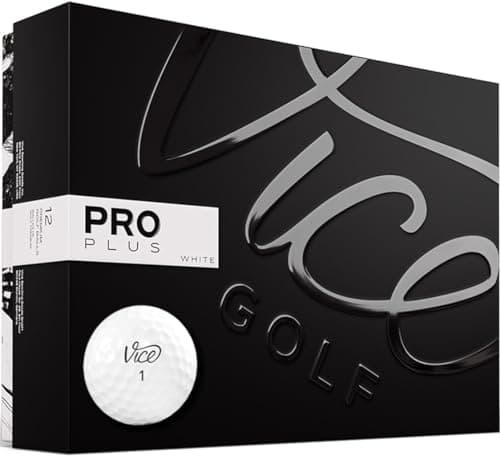
The Vice Pro Plus is the price play inside the urethane lane: a direct-to-consumer, four-piece cast-urethane ball that undercuts the majors, and undercuts them furthest when you buy several dozen at once. Two honest caveats. It is a firmcompression ball, so it is a cover-keeping swap and not a feel-keeping one — it will feel noticeably firmer than what you are leaving. And it is bought by the box, which is a different purchase pattern from grabbing a sleeve in the pro shop. The head-to-head is Chrome Soft vs Vice Pro Plus.

The soft-feel lane, ranked

The Callaway Supersoftis the budget pick on this page and the most under-appreciated swap in the category, because it is made by the same company. It is a two-piece ionomer ball at very low compression — very soft, very straight for most people, and a fraction of the Chrome Soft’s price. If you are playing the Chrome Soft because you like the feel and you lose three balls a round, this is the honest answer, and the money you save over a season is not a rounding error. What you give up is greenside spin: the ionomer cover will not check a full wedge the way urethane does, and nothing about the low compression changes that.

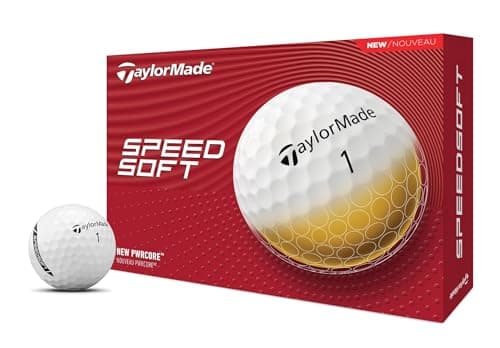
The TaylorMade SpeedSoftis the softest ball on this page. TaylorMade publishes it as a two-piece ionomer ball at 35 compression with a PWRCORE construction, which is softer than the Chrome Soft, and if “soft” is literally the specification you are shopping for then this is the ball that maximizes it. Same trade as the Supersoft, slightly different flight and a different feel off the putter; which of the two you prefer is genuinely a matter of taste, and both are cheap enough to buy a sleeve of each and find out.

The swap that is not an alternative

Going from a Chrome Soft to a firm tour ball because it was on offer is not switching alternatives, it is switching categories in the direction nobody intends. The Chrome Soft exists for players who want urethane performance without a tour-firm feel; a firm three- or four-piece tour ball asks for swing speed to compress it, and if you do not have that speed you will get less out of it than you did out of the ball you left, while paying the same premium price. That is the one mistake this page is most keen to prevent.

If you are not sure which side of that line you fall on, our compression guide explains what the number means and does not mean, and best golf balls for slow swing speeds is the page for anyone whose honest answer is “not much speed.”

How these compare one-to-one

This page is the shortlist; the head-to-heads are where the detail lives, and we have already run most of these against the Chrome Soft individually: Chrome Soft vs Pro V1, Chrome Soft vs TP5, Pro V1x vs Chrome Soft, Q-Star Tour vs Chrome Soft and Chrome Soft vs Vice Pro Plus. The ball itself is examined in full in our Callaway Chrome Soft review, and if the ball you are actually trying to leave is the Titleist, the equivalent page is Titleist Pro V1 alternatives, which runs on a single rule rather than two lanes.

The short answer

Quick picks

#ProductBest forScorePrice
01
Srixon Srixon Q-Star Tour
Srixon Q-Star Tour

A urethane-covered tour ball at a mid-tier price — the smart bridge from value to premium.

The best urethane value
7.8
$39.99Amazon
02
Callaway Callaway Chrome Tour
Callaway Chrome Tour

Callaway's actual answer to the Pro V1: a 4-piece urethane ball built for maximum short-game spin, with a medium feel that sits between the Pro V1 and the softer Chrome Soft.

Pro V1 money, more greenside bite
8.0
$37.99Amazon
03
Vice Vice Pro Plus
Vice Pro Plus

A direct-to-consumer urethane ball that undercuts the majors — if you buy it by the box.

Tour performance on a budget (in bulk)
7.8
$37.99Amazon
04
Callaway Callaway Supersoft
Callaway Supersoft

The value default. Very low compression, very soft, and it goes straight for most people.

Slow-to-moderate swings
7.6
$24.99Amazon
05
TaylorMade TaylorMade SpeedSoft
TaylorMade SpeedSoft

TaylorMade's softest ball and the successor to the Soft Response — a 35-compression two-piece that a slow swing squashes easily.

The softest feel in the value tier
7.4
$22.50Amazon

#ad · Live prices from the Amazon Product API, as of November 18, 2026. Where we have no verified live price, we show none — we would rather leave a gap than print a number that has rotted.

In detail

The picks, in full

01
Srixon Srixon Q-Star Tour

The best urethane value

Srixon Q-Star Tour

3-pieceUrethane coverMid compressionMid-price tier
7.8/10

A urethane-covered tour ball at a mid-tier price — the smart bridge from value to premium.

Distance
8
Greenside spin
8
Feel
8
Durability
7
Value
8

Pros

  • A real urethane cover — the thing that separates tour balls from value balls — for meaningfully less than a Pro V1
  • Mid compression suits a wider range of swing speeds than a firm tour ball
  • The genuine sweet spot for a mid-handicapper who wants greenside spin without the top-tier price

Cons

  • Not quite the durability or the very last few percent of spin of the $50 balls
  • Still costs more than a two-piece value ball you might lose just as fast

Skip this if…

…you lose two or three balls a round. The urethane cover is wasted money if it spends its life at the bottom of a lake — play a Soft Feel or Supersoft until your ball-in-play rate climbs.

$39.99View on Amazon

Price as of November 18, 2026. Prices change — Amazon's is the one that counts.

#ad · we may earn a commission from this link to Srixon Q-Star Tour

02
Callaway Callaway Chrome Tour

Pro V1 money, more greenside bite

Callaway Chrome Tour

4-piece construction (Callaway)Hyper Fast Soft CoreHigh-Performance Tour Urethane Soft CoverSeamless Tour Aero; premium tier
8.0/10

Callaway's actual answer to the Pro V1: a 4-piece urethane ball built for maximum short-game spin, with a medium feel that sits between the Pro V1 and the softer Chrome Soft.

Distance
8
Greenside spin
10
Feel
8
Durability
8
Value
6

Pros

  • Callaway's own chart puts Chrome Tour at maximum short-game spin and mid long-game spin — more greenside bite than the Chrome Soft and a lower-spinning driver flight, which is the combination a good player actually wants
  • A genuine 4-piece build against the Pro V1's three, with a Hyper Fast Soft Core that Callaway publishes as chasing a better balance of long distance and soft feel rather than pure speed
  • It is consistently cheaper per dozen than the Pro V1 at the same shelf, which makes it the obvious first experiment for anyone paying tour-ball prices out of habit

Cons

  • Callaway aims this at better players and says so; it is not a soft, easy ball, and a slower swing will get less out of the 4-piece construction than out of the Chrome Soft
  • Callaway does not publish a compression number for the Chrome Tour, so a direct firmness comparison against the Pro V1's published 87 is not available — the honest description is medium feel, which is Callaway's own word

Skip this if…

…you want soft feel above everything. Callaway makes the Chrome Soft for exactly that reader and classes its own feel as soft against the Chrome Tour's medium — buying the Tour for feel is buying the wrong ball from the right company.

$37.99View on Amazon

$47.9921% off

Price as of November 18, 2026. Prices change — Amazon's is the one that counts.

#ad · we may earn a commission from this link to Callaway Chrome Tour

03
Vice Vice Pro Plus

Tour performance on a budget (in bulk)

Vice Pro Plus

4-pieceUrethane coverFirm compressionDTC value
7.8/10

A direct-to-consumer urethane ball that undercuts the majors — if you buy it by the box.

Distance
8
Greenside spin
8
Feel
8
Durability
7
Value
8

Pros

  • Cast-urethane cover and a firm tour construction at a lower per-dozen price than the Titleist/Callaway premiums
  • The value gets dramatically better buying multiple dozen at once
  • A genuine high-flight, high-spin tour ball, not a value ball in disguise

Cons

  • The savings mostly show up at bulk quantities, not a single dozen
  • Not stocked in the pro shop, so you're committing to a mail-order supply

Skip this if…

…you want to try one sleeve before committing. The value case is a multi-box order; a single dozen isn't dramatically cheaper than a sale-price Pro V1.

$37.99View on Amazon

Price as of November 18, 2026. Prices change — Amazon's is the one that counts.

#ad · we may earn a commission from this link to Vice Pro Plus

04
Callaway Callaway Supersoft

Slow-to-moderate swings

Callaway Supersoft

2-pieceIonomer coverVery low compressionValue tier
7.6/10

The value default. Very low compression, very soft, and it goes straight for most people.

Distance
8
Greenside spin
5
Feel
8
Durability
8
Value
9

Pros

  • One of the lowest compressions in golf — easy to compress for a slower swing, which is where distance actually comes from for most amateurs
  • Straight ball flight that flatters a slice or hook
  • Priced so losing a few doesn't sting

Cons

  • The ionomer cover can't produce tour-level greenside spin — it releases more on chips and pitches
  • Very soft feel isn't for everyone; some players want more click

Skip this if…

…you're a low handicapper whose short game lives on one-hop-and-stop spin. The soft cover releases instead of biting — a urethane ball is the right tool for you even though it costs more.

$24.99View on Amazon

$26.997% off

Price as of November 18, 2026. Prices change — Amazon's is the one that counts.

#ad · we may earn a commission from this link to Callaway Supersoft

05
TaylorMade TaylorMade SpeedSoft

The softest feel in the value tier

TaylorMade SpeedSoft

2-pieceIonomer cover35 compression (TaylorMade)Value tier
7.4/10

TaylorMade's softest ball and the successor to the Soft Response — a 35-compression two-piece that a slow swing squashes easily.

Distance
7
Greenside spin
5
Feel
9
Durability
8
Value
8

Pros

  • At a published 35 compression this is the softest ball TaylorMade makes — the first they have built below a 50 compression — so a slow or moderate swing actually flattens it and feels it happen
  • The large, low-compression PWRCORE is designed to deliver that softness without giving up ball speed; TaylorMade's claim is that it tests to the USGA's maximum initial-velocity limit
  • Priced right alongside the Supersoft and Soft Feel it competes with, so the soft-value choice stays a price decision rather than a premium one

Cons

  • Two-piece with an ionomer cover, so the usual value-ball spin ceiling applies — wedge shots release rather than check
  • It replaced the three-piece Soft Response with a simpler two-piece build; you are buying feel and price here, not extra layers

Skip this if…

…you spin your wedges or want a firmer, more penetrating flight. A 35-compression ionomer ball is tuned for soft feel and easy compression; if greenside bite is what your scoring needs, a urethane ball like the Q-Star Tour is the tool, however soft this one feels.

$22.50View on Amazon

$24.9910% off

Price as of November 18, 2026. Prices change — Amazon's is the one that counts.

#ad · we may earn a commission from this link to TaylorMade SpeedSoft

The arithmetic: what the cover costs you per round

The whole decision on this page is a cover-versus-cost trade, so do the division before you decide. Take the live price of a urethane dozen in the table, take the live price of an ionomer dozen, and divide each by how many balls you genuinely lose in a round. A golfer who loses one ball a round is paying the urethane premium a few times a season. A golfer who loses four is paying it every time they tee up, and for them the Supersoft is not a compromise — it is the only version of this purchase that makes sense.

Then ask the second question, which is the one that actually decides it: how many shots a round do you hit where urethane does something an ionomer ball cannot? That is a full wedge into a firm green that has to stop. Not a chip-and-run, not a putt, not a drive. If the answer is two or three shots a round, the premium is buying you something real. If the honest answer is none, you are paying for a property of the ball you never use. Our are expensive golf balls worth it page runs that math in full.

Why we do not print the price in the text

Every number on this page comes from the live Amazon listing through our price layer at the moment the page is served, behind a 48-hour freshness gate, stamped with the date above. Ball prices move constantly — sleeve promotions, buy-three-get-one, December discounting — and a figure typed into a sentence would be wrong by the time you read it. The comparison that matters is the one in the table, today, next to each ball.

Buy a sleeve before you buy a box

Feel is the least transferable thing in golf equipment, and this page is largely about feel. Every ball above is sold in a sleeve of three, which is the cheapest piece of research available to you: play one sleeve, pay attention to the putter and the wedge rather than the driver, and only then buy a dozen. The driver is where golfers form ball opinions and it is the shot the ball matters least for — the differences that will keep you playing a ball happen inside a hundred yards.
How we ranked this

We don't run a testing lab — and we say so

We compiled published manufacturer specifications, official standards and aggregated owner reviews, computed the running costs the big test-labs leave out, and scored each pick against a published rubric. The scores are judgments from documented research — they are not lab measurements we took, because we don't have a lab and we're not going to pretend we do. You can check every number we publish.

Questions

Frequently asked

What is the best alternative to the Callaway Chrome Soft?
The Srixon Q-Star Tour, because it matches both of the Chrome Soft’s selling points rather than one: a urethane cover for greenside spin and a mid compression that a moderate swing can actually compress, at a mid-tier price. If you only care about the soft feel, the Callaway Supersoft keeps that for a fraction of the money and gives up the greenside bite.
Is there a cheaper ball that feels like a Chrome Soft?
Yes, and the cheapest good ones are Callaway’s own Supersoft and the TaylorMade SpeedSoft, which TaylorMade publishes at 35 compression. Both are two-piece ionomer balls, so the feel is there and the urethane greenside spin is not. If you need the ball to check on a full wedge, stay in the urethane lane instead.
Is the Chrome Tour the same as the Chrome Soft?
No, and Callaway is clear about the difference in its own comparison grid: the Chrome Tour is a four-piece ball at medium feel with maximum short-game spin, while the Chrome Soft is a three-piece ball at soft feel with high short-game spin. The Tour is the spin upgrade and the feel downgrade, aimed at better players. Callaway publishes no compression number for the Chrome Tour.
Will I lose distance switching off the Chrome Soft?
Probably not, and if anything a soft two-piece ball can be a little longer off the tee for a moderate swing because it spins less. Distance is not where ball switches hurt — greenside control is. Decide the swap on what happens inside a hundred yards, which is what best golf balls for distance and the spin roundup are for.
Does the Triple Track alignment pattern matter?
It is a real, free putting aid rather than a performance feature: three lines that make it easier to aim the ball on the green. If you use it and you like it, check the specific listing of whichever alternative you are considering before you switch — alignment markings vary by model and by version, and losing one you have learned to aim with is a legitimate reason to stay put.

Keep reading

Receipts

Sources

We do not run a testing lab, and we do not pretend to. Every spec number here comes from a manufacturer's published sheet or an official standard, cited above. Where we could not verify something, we say so on the page rather than quietly leaving it out. Read our full method.