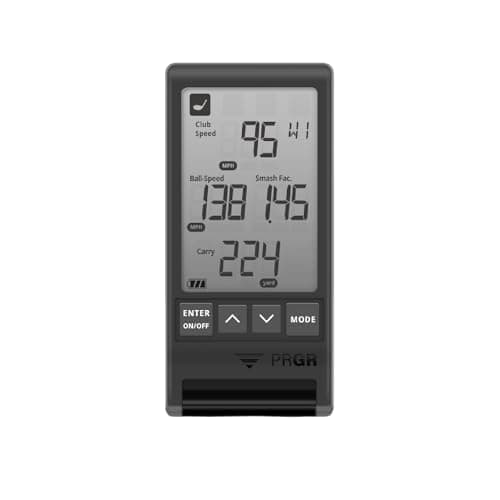
The best gift for the golfer who has everything is the PRGR HS 130-A— a pocket-sized radar that reads ball speed, club speed, smash factor and distance on its own little screen, with no app, no account and no subscription. It lands because almost nobody owns one: the golfer with a Garmin R10 in the bag still doesn’t have a speed reader they can slip into a pocket and use on the first tee. That is the whole idea of this page. A full bag has gaps, and the gaps are the things a golfer never buys for themselves because they are unglamorous, slightly nerdy, or a job they keep putting off. Every pick below is one of those, drawn from our existing rankings and explained for a gifter.
What is deliberately missing: anything they already have. If they own a laser, we don’t suggest a better laser; if they own a watch, we don’t suggest a nicer watch. Those are on the no-budget list for the golfer who doesn’t. This page is for the one who does.
The picks, explained for the person buying them
1. PRGR HS 130-A — the pocket speed monitor
Why it lands: instant clubhead and ball speed with no phone, which makes it the tool for warm-up swings, speed training and settling arguments on the range. Who it suits: the golfer who already has a launch monitor and wants numbers without setting it up, and anyone doing speed work with the SuperSpeed sticks below. Check before buying: it is speed and distance, not spin or launch; our PRGR review is honest about the limits.
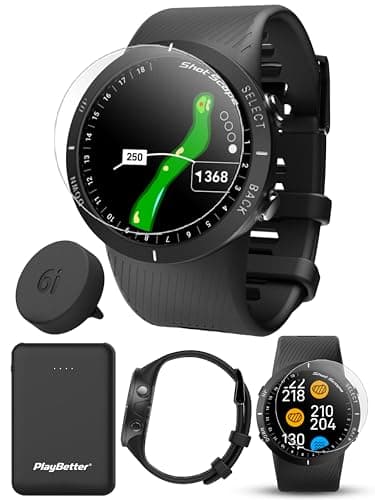
2. Shot Scope V5 — statistics, no subscription
Why it lands: a GPS watch that also tracks every shot automatically through small tags in the grips, so they finally get real numbers on where their strokes go — and it charges no membership. Who it suits: the golfer who talks about strokes gained. Check before buying: they may already wear a Garmin; the V5 earns its place as a second watch only if the tracking is the point. Our GPS watch ranking compares the two.
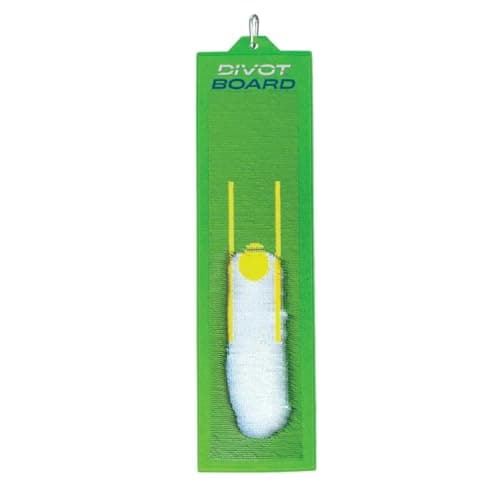
3. Divot Board — the strike board
Why it lands: a reusable surface that shows exactly where the club bottomed out and which way the path was going, which even a good golfer can’t read off a range mat. Who it suits: the mid-to-low handicapper who practices contact. Check before buying: nothing to fit.
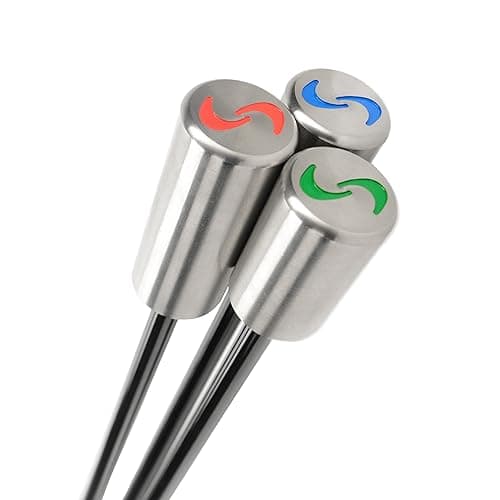
4. SuperSpeed Golf Training System — the speed sticks
Why it lands: three weighted sticks and a protocol for adding clubhead speed — the one thing a golfer with everything still wants more of. Who it suits: the golfer who will do the sessions several times a week. Check before buying: pair it with pick 1 so they can measure the gains; the sticks alone are a promise, the sticks plus a speed reader are a program.
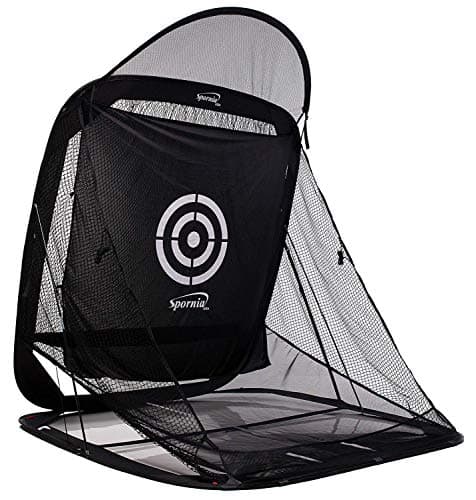
5. Spornia SPG-7 — the garage net
Why it lands: the golfer with a launch monitor and no net is hitting at the range on the monitor’s terms, not their own. A net that sets up in about thirty seconds and returns the ball turns a garage into a practice bay. Who it suits: the monitor owner with a garage or yard. Check before buying: ceiling height for a full swing, and that they have the space. Our Spornia net review has the dimensions.
6. SIGPRO Softy Hitting Strip — the mat under it
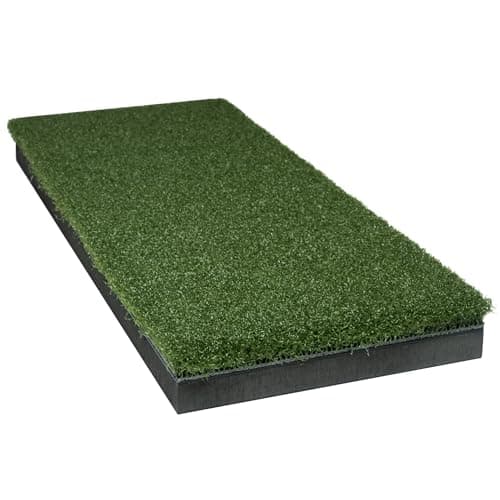
Why it lands: a cushioned strip that takes a real tee and is kind to wrists and elbows, which the cheap mats are not. Who it suits: anyone with a net and a cheap mat. Check before buying: it is a hitting strip, not a full stance mat; that is the right size for most garages.
7. The Hanger — clubface awareness
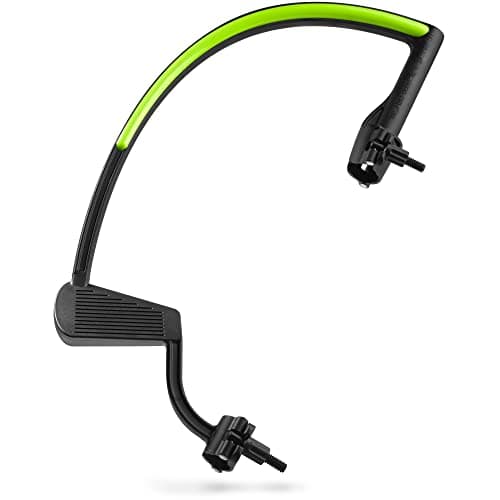
Why it lands: clamps to any iron and gives immediate feedback when the face opens or the plane drifts. Who it suits: the good golfer chasing a specific fault. Check before buying: that they practice with a purpose; this is a tool, not a toy.
8. Tour Striker Smart Ball — connection
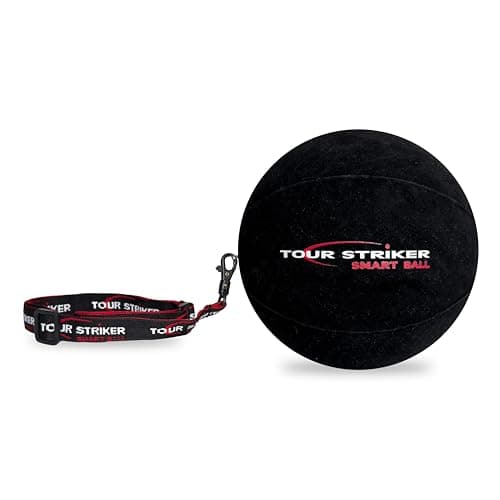
Why it lands: an inflatable ball between the forearms that drops the moment the arms disconnect from the body — the classic tour-pro warm-up drill in product form. Who it suits: the range obsessive. Check before buying: nothing to fit.
9. Bushnell Phantom 2 — the magnetic GPS handheld
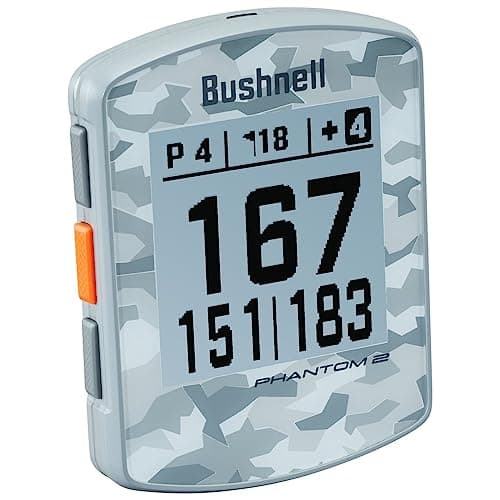
Why it lands: the laser owner still doesn’t have front-middle-back numbers on the cart without aiming, and a magnetic handheld that sticks to the frame fixes that. Who it suits: the rider who uses a laser and no GPS. Check before buying: if they already wear a GPS watch, skip it.
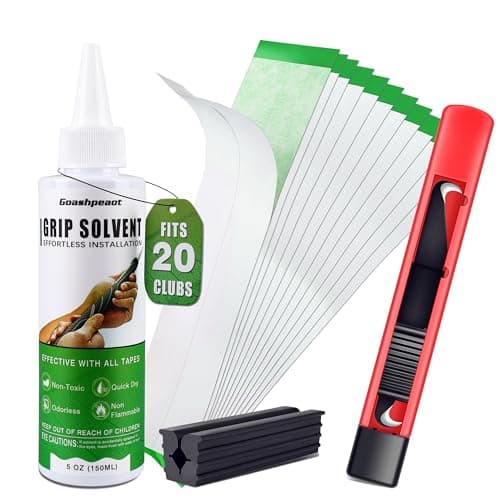
10. The regrip kit — the job they keep putting off
Why it lands: grips are the one consumable every golfer knows they should replace about once a year and almost never does. A kit with solvent, tape, a hook blade and a vise clamp, plus thirteen grips in their size, is the gift of a Saturday they will enjoy. Who it suits: the tinkerer. Check before buying: the grips are the personal part — look at the name and size on their current grips, or give the kit with a note. Our regrip guide lists the grips with live prices, and our grip size chart covers sizing.
The honest alternative
If none of these fits, the golfer who has everything is the one golfer for whom a gift card to their own pro shop is not a cop-out. They know exactly what they want and it is almost certainly a fitting decision you cannot make for them. We would rather say that than pad this list with a monogrammed towel.
Gaps, not upgrades
The trap with an obsessive golfer is buying a marginally better version of something they own. They will be gracious and they will keep using the old one. The picks above are chosen to be things a full bag is usually missing: a speed reader, shot statistics, strike feedback, a garage bay, a regrip. If you know they already own one of them, skip it; the list is long enough.
Subscriptions and setup
The PRGR needs no app; the Shot Scope V5 needs no membership; the net and mat need a garage. The regrip kit needs grips in their size and about three to four hours of cure time before the clubs are played, per Golf Pride’s installation guidance — worth a note in the card so a Christmas-morning regrip doesn’t become a Christmas-afternoon round.