Skip to content
Divot&Draw

The Ball · Golf Balls

The Best Golf Balls for Spin

Spin is not one number. The ball that grabs on a wedge is the ball that exaggerates your slice off the tee - here is how to get the first without buying the second.

By Stephen V.Updated How we rank
#ad

We earn a commission when you buy through our Amazon links, at no extra cost to you. It never changes our rankings — and we'll tell you when the cheaper ball or club is the better buy. How this works.

Titleist Titleist Pro V1
$57.99View on Amazon

Price as of November 18, 2026. Prices change — Amazon's is the one that counts.

#ad · we may earn a commission from this link to Titleist Pro V1

For the player who already spins it on demand and wants the most predictable greenside bite and flight window there is — and whose swing speed can use a firm tour ball.

Budget pick

Vice Pro Plus — the cheapest genuine cast-urethane tour ball here; the value gets dramatically better buying several dozen at once $37.99 on Amazon

The verdict: the Titleist Pro V1 is the pick if you want maximum greenside spin and you are a player whose short game is already calibrated to it — the most consistent bite and flight window of anything we rank. Budget pick: the Vice Pro Plus, a genuine cast-urethane tour ball that undercuts the majors, especially bought by the box. Prices are live from our price layer, stamped November 18, 2026. But read the next paragraph before you buy either, because “more spin” is the wrong goal for a lot of the people searching for it.

Spin is not a single property of a golf ball. The same construction that makes a wedge grab and stop on the second bounce also makes the driver spin more, and driver spin is what turns a mild fade into a slice and a draw into a hook. A high-spin ball in the hands of a golfer who already curves it too much makes the curve worse. That is why this page ranks on where the spin happens rather than on how much there is, and why the sixth pick is deliberately a low-spin ball.

The one thing that creates spin: the cover

Everything else is detail. Greenside spin comes overwhelmingly from a soft urethane cover, which deforms around the grooves of a lofted club and lets them grip the ball. The alternative, ionomer (often branded Surlyn), is harder and more durable and slides across the grooves instead. That single material difference is the entire reason tour balls cost what they do, and it is the only specification on a ball box that reliably predicts how a wedge shot behaves.

Five of the six picks below publish a urethane cover. The sixth does not, and it is on the page on purpose. Our compression explainer covers the other number people shop by — compression tells you about feel and about how efficiently your swing speed loads the core, not about greenside spin, and the two get conflated constantly.

Layers: what the extra ones are for

Once you are inside the urethane tier, the construction argument is about separating the two spins. A three-piece ball has a core, a mantle and a cover. A four- or five-piece ball adds mantle layers whose published purpose is to behave differently at different speeds: stiff enough to resist spin under a driver’s compression, soft enough to let the cover do its work under a wedge’s. TaylorMade states that aim for the five-layer TP5 explicitly, and Callaway builds the Chrome Tour as a four-piece with the same split in mind.

Whether the extra layers deliver that for your swing speed is a question only a launch monitor answers, and we do not have a lab — we say so on how we rank. What we can say honestly is that the design goal is real, published and physically coherent, and that the balls built around it are the ones to look at if your complaint is specifically “I want to stop a wedge but my driver spins too much already”. If you want to actually measure your own numbers, a portable launch monitor is the only honest route.

Where you need spin, and where you do not

  • Full wedges and short irons: you want all of it. This is the shot that urethane exists for — a ball that checks on the second bounce instead of releasing twenty feet past. If you play to firm greens or you like to attack flags, this is the whole argument for a tour ball.
  • Greenside chips and pitches: more than you think, less than you hope. On a short chip there is not enough speed to generate much spin whatever ball you use; technique and lie dominate. Urethane helps, but the biggest difference on a 20-yard pitch is the cover’s softer feel, not a spin number.
  • Driver: you want less. Extra driver spin costs carry distance and amplifies sidespin, which means it amplifies your curve. If your miss is a slice, a high-spin tour ball is working against you, and our distance-ball roundup is the more useful page.
  • Putting: not at all. Nothing a cover does changes a putt meaningfully. Buy for feel off the putter face if you like, but do not pretend it is performance.

Skip this: buying tour spin before you can use it

The honest limit on this page. Greenside spin is only available to a golfer who delivers the club with enough speed and a clean enough strike to compress the ball and engage the grooves — and who plays into greens from a distance where a wedge is in hand. If you are reaching most par-4 greens with a hybrid, you are not hitting the shot a urethane cover is built for, and you are paying roughly twice as much per dozen for a property you cannot yet access. The sensible version of this page for that golfer is our high-handicapper ball roundup, and the honest discussion of the premium is in are expensive golf balls worth it. We would rather you kept the money.

The short answer

Quick picks

#ProductBest forScorePrice
01
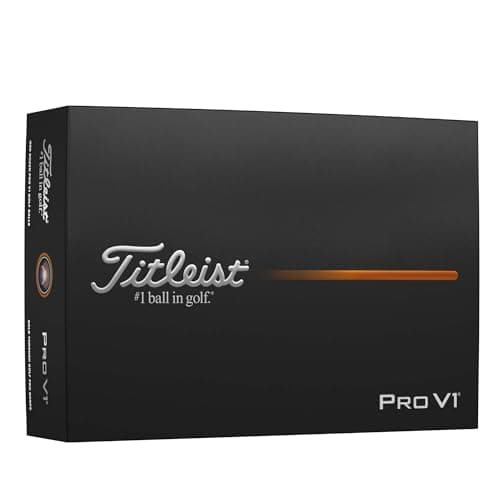
Titleist Titleist Pro V1
Titleist Pro V1

The default tour ball, and the one your buddy is right about — if your swing can use it.

Low handicaps who spin it on demand
8.0
$57.99Amazon
02
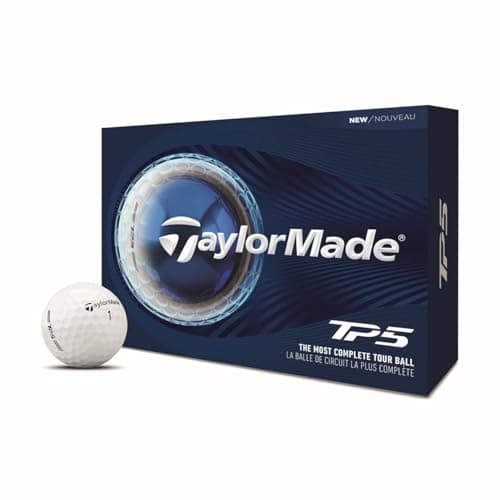
TaylorMade TaylorMade TP5
TaylorMade TP5

A five-layer tour ball that gives up nothing to the Pro V1 and costs about the same.

Tour-ball shoppers who want an alternative to Titleist
7.8
$49.29Amazon
03
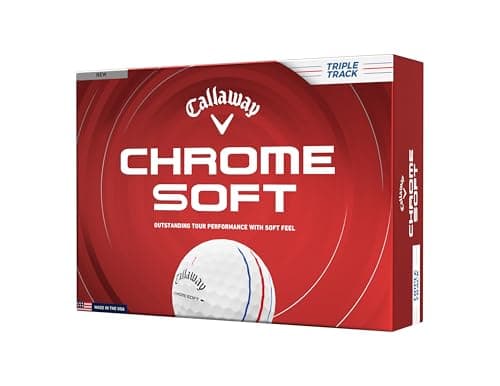
Callaway Callaway Chrome Soft
Callaway Chrome Soft

The premium ball for players who want tour spin without the tour-firm feel.

Mid handicaps who prize soft feel
7.8
$50.00Amazon
04
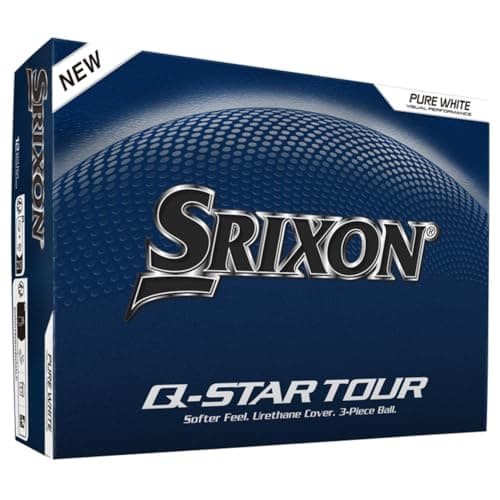
Srixon Srixon Q-Star Tour
Srixon Q-Star Tour

A urethane-covered tour ball at a mid-tier price — the smart bridge from value to premium.

The best urethane value
7.8
$39.99Amazon
05
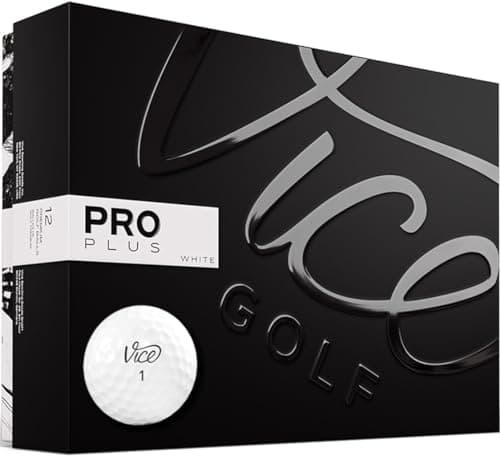
Vice Vice Pro Plus
Vice Pro Plus

A direct-to-consumer urethane ball that undercuts the majors — if you buy it by the box.

Tour performance on a budget (in bulk)
7.8
$37.99Amazon
06
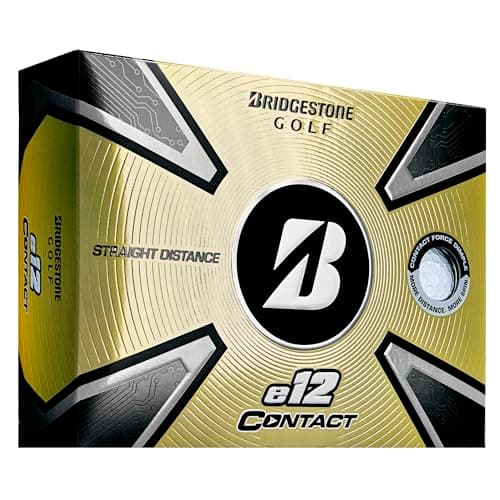
Bridgestone Bridgestone e12 Contact
Bridgestone e12 Contact

A distance-first value ball with a dimple gimmick that happens to work fine.

Straight distance on a budget
7.2
$29.97Amazon

#ad · Live prices from the Amazon Product API, as of November 18, 2026. Where we have no verified live price, we show none — we would rather leave a gap than print a number that has rotted.

In detail

The picks, in full

01
Titleist Titleist Pro V1

Low handicaps who spin it on demand

Titleist Pro V1

3-pieceUrethane coverFirm (tour) compressionPremium tier
8.0/10

The default tour ball, and the one your buddy is right about — if your swing can use it.

Distance
8
Greenside spin
10
Feel
9
Durability
8
Value
5

Pros

  • The most consistent greenside spin and flight window of anything here
  • The cover holds up better than most urethane balls before it scuffs
  • The one ball a low-handicapper's short game is genuinely calibrated to

Cons

  • Costs roughly twice a very good value ball, and you lose them at the same rate
  • A slower swing won't compress it enough to see the spin you're paying for

Skip this if…

…you shoot north of 90 and lose more than a sleeve a round. You are paying tour-ball money for spin your swing can't unlock and then hitting it into a pond. Play a value ball until you stop losing them.

$57.99View on Amazon

Price as of November 18, 2026. Prices change — Amazon's is the one that counts.

#ad · we may earn a commission from this link to Titleist Pro V1

02
TaylorMade TaylorMade TP5

Tour-ball shoppers who want an alternative to Titleist

TaylorMade TP5

5-layerUrethane coverFirm (tour) compressionPremium tier
7.8/10

A five-layer tour ball that gives up nothing to the Pro V1 and costs about the same.

Distance
9
Greenside spin
9
Feel
8
Durability
8
Value
5

Pros

  • The extra layers are aimed at spinning less off the driver and more on wedges — a genuine design goal, not marketing
  • Full tour-grade greenside performance
  • A real, established alternative if you don't want to play what everyone else plays

Cons

  • Premium price with the same swing-speed requirement as any tour ball
  • The differences from a Pro V1 are small enough that brand loyalty usually decides it

Skip this if…

…you're a higher handicap chasing the '5-layer' spec. Layer count is a tour-player refinement; it does nothing for a 95-shooter that a $25 ball wouldn't do better for the money.

$49.29View on Amazon

$57.9915% off

Price as of November 18, 2026. Prices change — Amazon's is the one that counts.

#ad · we may earn a commission from this link to TaylorMade TP5

03
Callaway Callaway Chrome Soft

Mid handicaps who prize soft feel

Callaway Chrome Soft

Urethane coverSofter than a Pro V1Triple Track optionPremium tier
7.8/10

The premium ball for players who want tour spin without the tour-firm feel.

Distance
8
Greenside spin
9
Feel
9
Durability
8
Value
5

Pros

  • Genuinely soft off the face while still holding urethane greenside spin
  • The Triple Track alignment lines are a real, free putting aid
  • A better feel match than the Pro V1 for a lot of moderate swing speeds

Cons

  • Priced right alongside the Pro V1 — this is not the value play
  • Slightly lower full-swing spin than the firmest tour balls

Skip this if…

…you want the maximum greenside bite and don't care about a soft feel. The Pro V1x spins more; the Chrome Soft's whole pitch is feel, and if that's not what you value you're paying premium money for the wrong strength.

$50.00View on Amazon

$57.9914% off

Price as of November 18, 2026. Prices change — Amazon's is the one that counts.

#ad · we may earn a commission from this link to Callaway Chrome Soft

04
Srixon Srixon Q-Star Tour

The best urethane value

Srixon Q-Star Tour

3-pieceUrethane coverMid compressionMid-price tier
7.8/10

A urethane-covered tour ball at a mid-tier price — the smart bridge from value to premium.

Distance
8
Greenside spin
8
Feel
8
Durability
7
Value
8

Pros

  • A real urethane cover — the thing that separates tour balls from value balls — for meaningfully less than a Pro V1
  • Mid compression suits a wider range of swing speeds than a firm tour ball
  • The genuine sweet spot for a mid-handicapper who wants greenside spin without the top-tier price

Cons

  • Not quite the durability or the very last few percent of spin of the $50 balls
  • Still costs more than a two-piece value ball you might lose just as fast

Skip this if…

…you lose two or three balls a round. The urethane cover is wasted money if it spends its life at the bottom of a lake — play a Soft Feel or Supersoft until your ball-in-play rate climbs.

$39.99View on Amazon

Price as of November 18, 2026. Prices change — Amazon's is the one that counts.

#ad · we may earn a commission from this link to Srixon Q-Star Tour

05
Vice Vice Pro Plus

Tour performance on a budget (in bulk)

Vice Pro Plus

4-pieceUrethane coverFirm compressionDTC value
7.8/10

A direct-to-consumer urethane ball that undercuts the majors — if you buy it by the box.

Distance
8
Greenside spin
8
Feel
8
Durability
7
Value
8

Pros

  • Cast-urethane cover and a firm tour construction at a lower per-dozen price than the Titleist/Callaway premiums
  • The value gets dramatically better buying multiple dozen at once
  • A genuine high-flight, high-spin tour ball, not a value ball in disguise

Cons

  • The savings mostly show up at bulk quantities, not a single dozen
  • Not stocked in the pro shop, so you're committing to a mail-order supply

Skip this if…

…you want to try one sleeve before committing. The value case is a multi-box order; a single dozen isn't dramatically cheaper than a sale-price Pro V1.

$37.99View on Amazon

Price as of November 18, 2026. Prices change — Amazon's is the one that counts.

#ad · we may earn a commission from this link to Vice Pro Plus

06
Bridgestone Bridgestone e12 Contact

Straight distance on a budget

Bridgestone e12 Contact

3-pieceIonomer coverMid-low compressionDistance design
7.2/10

A distance-first value ball with a dimple gimmick that happens to work fine.

Distance
8
Greenside spin
5
Feel
7
Durability
8
Value
8

Pros

  • A three-piece value ball, which usually means a slightly better feel than a hard two-piece distance rock
  • Aimed at straight, efficient distance for a moderate swing
  • Reasonable price

Cons

  • The 'Contact Force' dimple marketing is doing a lot of work; treat it as a solid distance ball, not a breakthrough
  • Ionomer cover, so the usual value-ball spin ceiling applies

Skip this if…

…you want maximum softness or maximum greenside spin. This is tuned for distance and straightness; a Soft Feel feels softer and a urethane ball spins more.

$29.97View on Amazon

Price as of November 18, 2026. Prices change — Amazon's is the one that counts.

#ad · we may earn a commission from this link to Bridgestone e12 Contact

Two free things that change your spin more than a ball does

Before paying a premium for a cover material, deal with the two variables that are genuinely larger. The first is your grooves. Spin is generated by sharp groove edges biting into a soft cover, and wedge grooves wear out — a sand wedge that has hit thousands of range balls off a mat spins dramatically less than a new one, and no ball compensates for that. If your wedges are several seasons old and well used, new wedges will do more for your greenside spin than any ball on this page.

The second is a clean, dry ball and a clean, dry face. Water and grass between the face and the cover act as a lubricant, which is the whole reason a flyer out of light rough comes out with no spin and runs through the green. Wiping the face between shots is free and the effect is not subtle. A golfer playing a value ball with clean grooves and a dry face will get more greenside control than a golfer playing a tour ball out of wet rough with a dirty wedge, every time.

Cost per round, honestly

The urethane premium is roughly double per dozen, and the number that actually decides whether it is worth paying is how many balls you lose. At a ball or two a round it is a rounding error against a green fee. At five or six a round it becomes the most expensive recurring cost in your golf, and you are paying for a property — greenside bite — that you will hit into a lake before you have used it on more than a handful of shots. We do not print prices in prose for the usual reason: they rot. The live figures are in the table above with the date they were checked.
How we ranked this

We don't run a testing lab — and we say so

We compiled published manufacturer specifications, official standards and aggregated owner reviews, computed the running costs the big test-labs leave out, and scored each pick against a published rubric. The scores are judgments from documented research — they are not lab measurements we took, because we don't have a lab and we're not going to pretend we do. You can check every number we publish.

Questions

Frequently asked

What golf ball spins the most?
Among the balls we rank, the urethane-covered tour balls — the Pro V1, the TP5 and the Chrome Tour family — produce the most greenside spin, because a soft urethane cover is what lets wedge grooves grip the ball. The ranking above puts the Pro V1 first on consistency of bite and flight window. Live prices are in the table.
Does a high-spin ball hurt your driving?
It can. The construction that creates greenside spin also tends to spin more off the driver, and driver spin costs carry and exaggerates sidespin — so a high-spin ball makes an existing slice or hook worse. Multi-layer tour balls are designed to separate the two, which is exactly what the extra mantle layers are for.
Is urethane really worth the money?
Only if you hit full wedge shots into greens and strike the ball well enough to compress it. That is the shot urethane is built for. If you are reaching greens with a hybrid, the cover material is a property you cannot access yet, and a value ball is the better buy — we work through the arithmetic in are expensive golf balls worth it.
What is the cheapest ball that still spins?
Of the balls we rank, the Vice Pro Plus is the cheapest genuine cast-urethane tour ball, and the Srixon Q-Star Tour is the cheapest urethane ball from a mainstream brand with a mid compression that suits a wider range of swing speeds. Both give you the cover material that creates greenside spin without the top-tier price.

Keep reading

Receipts

Sources

We do not run a testing lab, and we do not pretend to. Every spec number here comes from a manufacturer's published sheet or an official standard, cited above. Where we could not verify something, we say so on the page rather than quietly leaving it out. Read our full method.