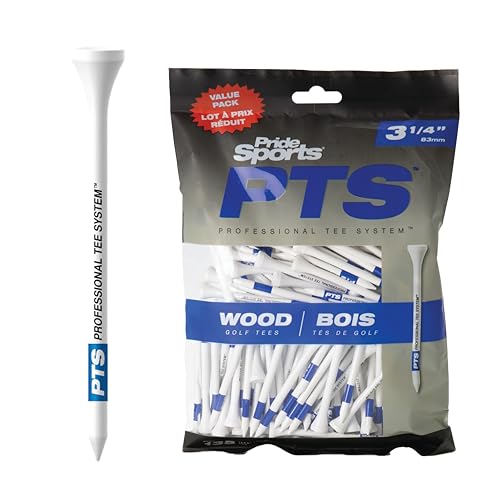
For a new golfer buying their first box: a plain hardwood 3-1/4 inch tee in a 135 count, which is the one length that works with every modern driver head and a count big enough that snapping and losing them stops mattering.
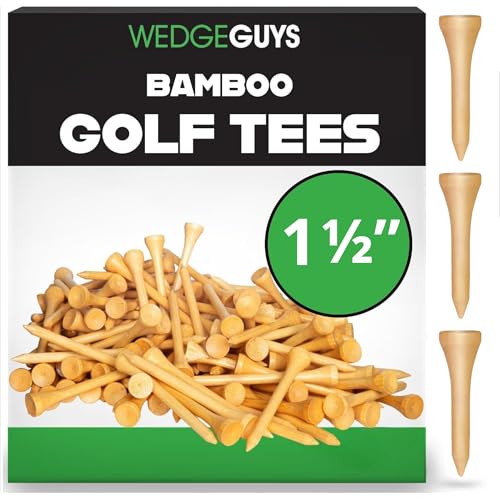
The verdict: buy two boxes. The first is a PrideSports PTS wood tee in 3-1/4 inch, 135 count— the standard length that tees a modern 460 cc driver head properly, in a count large enough that breakages and losses are a non-event. The second is a Wedge Guys bamboo tee in 1-1/2 inch, 100 count, which is the short tee for an iron or hybrid off a par-3 tee and the box virtually no beginner owns. That is the whole recommendation, and together they cost less than a sleeve of premium balls. Budget pick: the short bamboo box, because it is the cheapest thing on this page and the one that changes the most shots. Prices are live from our price layer, stamped November 22, 2026.
Our best golf tees page ranks all six tees we stock on length, material and cost per round, for a golfer who already knows what they are looking for. This page answers a narrower question that the measured search demand says people are actually asking: what should someone who has just started playing own, and how much of it.
Tee height is a real variable, and most beginners get it wrong
Here is the thing nobody mentions when you start: tee height changes the shot more than the tee brand ever will. Tee a driver too low and the club arrives descending, which produces a low spinning shot that climbs and stalls. Tee an iron too high and the club slides under the ball, which produces the high weak shot that falls out of the sky.
The workaround beginners discover is pushing a long tee most of the way into the ground, and it is a bad one for a reason that only shows up over a round: how far a tee goes in depends on how firm that particular tee box is. Soft spring ground swallows a tee and hard August ground will not take one, so your “same” tee height changes hole to hole without you choosing it. Two boxes of the right lengths removes that variable entirely, which is why the recommendation above is two boxes and not one.
Which length for which club
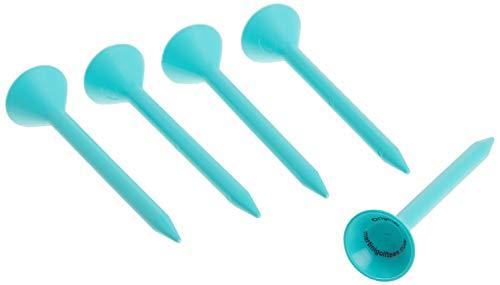
- Driver — 3-1/4 inch. A modern driver head is tall, and the ball wants to sit so that roughly half of it is above the crown at address. That takes a full-length tee. Both the wood tee and the plastic Martini tee on this page are 3-1/4 inch.
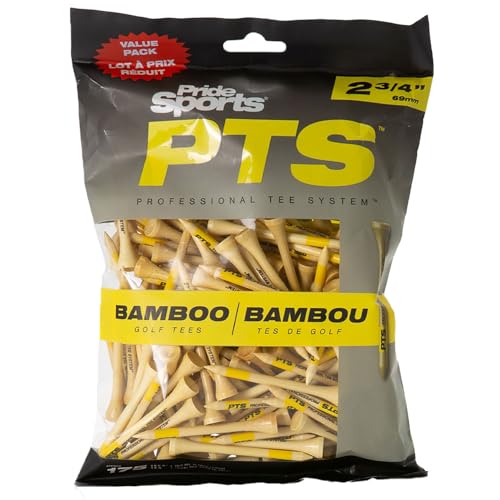
- Fairway wood or hybrid off a tee — 2-3/4 inch, or the long tee pushed in deliberately. You want the ball barely off the turf, because these clubs are designed to be swept off the deck. The PrideSports bamboo tee at 2-3/4 inch is the one box that covers driver, 3-wood and hybrid with no compromise you can feel, which makes it the single-box answer if you only want to buy one.
- Iron on a par 3 — 1-1/2 inch. An iron wants the ball a few millimeters off the deck so you can make the normal descending strike you practice everywhere else. This is the box beginners skip and the one that quietly fixes a shot you thought was a swing fault.
Wood, bamboo or plastic
Three materials, and the choice is about how you feel about breaking things rather than about performance. Wood snaps cleanly, which is actually useful: you know when a tee is finished. It is also the cheapest per tee by a wide margin, which is why a 135-count box is the default first purchase. Bamboois a grass rather than a timber, with long straight fibres, which is why tee makers use it for lengths that would be flimsy in softwood — it breaks less often than pine and is still biodegradable.
Plastic flexes instead of snapping, so one tee survives round after round. The Martini teeis the pick here: a wide cup that cradles the ball rather than balancing it on a point, which genuinely makes teeing a big driver head at a repeatable height easier on a windy tee box. The trade is cost per tee, which is many times a wood tee’s, and that only pays off if you keep them. Which brings us to the honest caution on this page.
The tees not to buy yet, and why
We stock two reusable “performance” tees and neither is ranked on this page, which is deliberate rather than an oversight. The Zero Friction 3-prong and the BRUSH-T combo are both good products and both appear on best golf tees— the BRUSH-T, in particular, sets the ball at a height fixed by the tee’s own geometry, which is the most repeatable height in the category.
They are not beginner purchases for one practical reason: the whole value case depends on keeping them, and new golfers lose tees. A 4-pack at premium prices means one careless tee box costs you a quarter of the purchase. Buy the cheap boxes, play twenty rounds, find out whether you are the kind of golfer who walks back for a tee — and then buy a reusable tee if the answer is yes.
The other thing we are not going to repeat is the distance marketing. Several tee brands claim lower friction and longer drives. We have not measured a tee and we are not going to present someone else’s claim as a finding: buy a tee for its length, its durability and its count, all three of which you can verify from the listing.
What the rules say about tees
Briefly, because it almost never matters and occasionally does. A tee must be no longer than four inches, and it must not be designed or manufactured in a way that could indicate the line of play or influence the movement of the ball. Every tee on this page is 3-1/4 inch or shorter and conforming. You may also only use a tee in the teeing area — not to improve a lie in the fairway, which beginners occasionally try with the best of intentions. The rest of the equipment rules that affect a beginner’s bag are in what clubs does a beginner need.
The arithmetic: cost per round, and why it is almost zero
Tees are the cheapest consumable in golf and the only one where the maths is genuinely silly. A 135-count box of wood tees played at, say, four tees a round lasts well over thirty rounds. Divide the live price in the table above by thirty and the cost per round rounds to nothing. The same box played by someone who breaks and loses eight a round still lasts most of a season.
Which is the real argument for buying by the count rather than by the tee. The expensive mistake in this category is not buying the wrong tee, it is buying a 4-pack of premium tees and then playing the whole season teeing the ball on whatever you find in the tee box because you lost them in week three. Buy a lot of cheap tees, keep a handful in every pocket of the bag, and the variable disappears.
Two boxes, one bag pocket
The practical setup is simpler than the shopping: put a fistful of long tees in the ball pocket and a fistful of short ones in the same pocket, and that is it for a season. You will use the long one on roughly fourteen holes and the short one on the par 3s, and after two rounds you will stop thinking about it.
One habit worth building while you are new: pick your tee up and look at it. A wood tee that has snapped is obvious, but a plastic tee that has bent slightly still looks fine and sits the ball lower than it did — which is exactly how inconsistent tee height sneaks into a driver swing you thought was fine last week. Inspect, discard, replace. It costs nothing and it removes a variable most golfers never consider.
Where the money actually goes for a beginner
Worth saying on a page about a product this cheap: tees are the right purchase to make casually, and almost nothing else in golf is. If you are kitting out, the order that does the most for your score is clubs you can launch, a ball you are not afraid to lose, and a glove that fits — and the grips on whatever clubs you already own, which are the cheapest meaningful upgrade in the game.
The pages for each: best golf clubs for the build, best golf balls for beginners for a ball that suits a developing swing, best golf gloves, and best golf grips for beginners. Spend your attention there and buy tees by the box.
Why we do not print the price in the text
Every number on this page comes from the live Amazon listing through our price layer at the moment the page is served, behind a 48-hour freshness gate, stamped with the date above. Tees are cheap enough that the prices move for silly reasons — pack-size changes, multipack promotions — which is exactly why this page is organized by length and count rather than by a price order that would be wrong next month. Every count, length and material figure quoted above is from the listings cited at the foot of the page.