For the golfer building a real bag for the first time: irons are seven of your fourteen clubs and the biggest single decision on this page, and this is the most forgiving major-brand set we rank, with hollow long irons, a sole built to survive a steep strike and a graphite option.
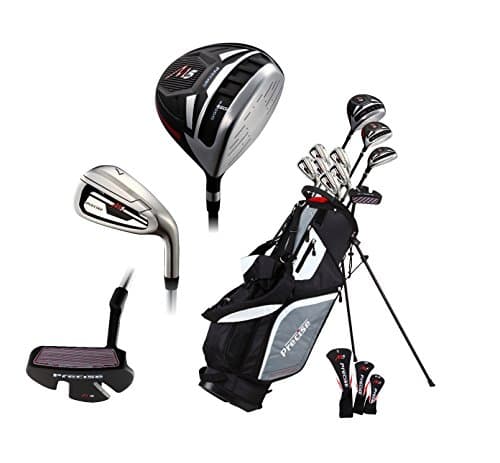
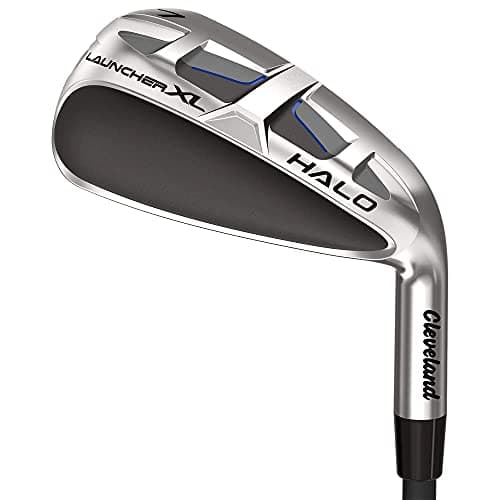
The verdict: if you are buying clubs one slot at a time, start with the Cleveland Launcher XL Halo irons. Irons are half your bag and most of your approach shots, and this set is the most forgiving major-brand build we rank — Cleveland publishes hollow-bodied long irons, a Gliderail sole that stops a steep strike digging, and a 5-iron-to-dual-wedge build offered in graphite. If you are buying everything at once on a tight budget, the budget pick is the Precise M5 complete set, which fills every slot in the bag for roughly what one premium iron set costs on its own. Prices are live from our price layer, stamped November 22, 2026.
A word on what this page is, because “best golf clubs” is the broadest query in golf retail and most pages answering it quietly answer a narrower one. This is not a box-set roundup — that is best golf clubs for beginners, and if you have never owned clubs, start there. It is not a single price ceiling either; that is best golf clubs under $500. This page is the build: the club worth buying in each slot of the bag, what each one does for your score, and the order to spend in when you cannot buy it all at once.
The order to buy in, and why it is not the driver
Almost everyone buys the driver first and it is almost always the wrong first purchase. The rules let you carry fourteen clubs, and the driver is one of them. It hits twelve to fourteen shots a round for most golfers. Your irons and wedges hit twice that. Your putter hits more shots than any other club in the bag by a wide margin. Spend in rough proportion to the shots each club actually plays:
- 1. Irons.Seven clubs, the widest spread of yardages, and the slot where forgiveness compounds — a set that holds ball speed on a heel strike saves you a shot a round quietly, every round. This is where the money goes first. Deeper: best golf irons ranks the whole field, and game-improvement irons is the forgiveness-first cut.
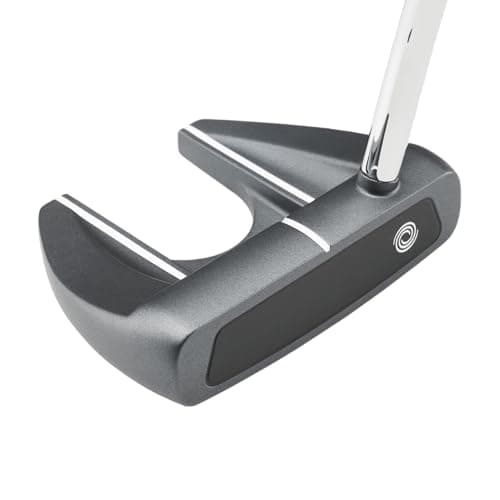
- 2. Putter. Thirty to forty strokes a round, every round, and the cheapest club in the bag to get right. A face-balanced mallet with a real alignment aid is the default answer for the stroke most club golfers actually make. Deeper: best golf putters and mallet vs blade putter.
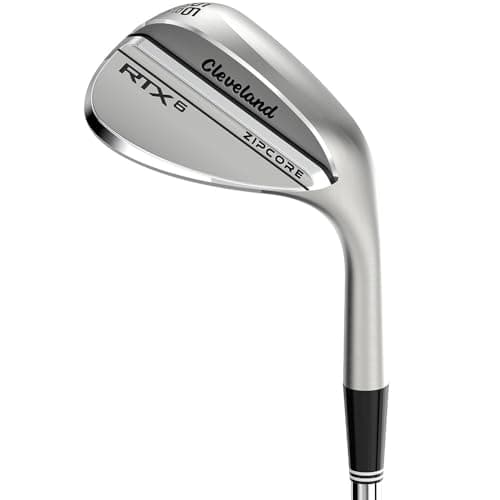
- 3. A wedge you trust inside 100 yards. The shots that turn bogeys into pars are all struck with a club you can control. Deeper: best golf wedges.
- 4. Driver. Yes, fourth. A forgiving high-launch head is worth real money; a tour-spec head on a 95-shooter is not. Deeper: best golf drivers.
- 5. One fairway wood and one hybrid. Two clubs, not five. The gap between your driver and your longest comfortable iron needs covering once, in a loft you can actually launch. Deeper: best fairway woods and best golf hybrids.
Three complete builds, by budget
Each build below is assembled only from clubs ranked on this page, so you can price every one of them from the live table rather than from a number we typed out. We do not print totals in prose for the obvious reason: the components are discounted independently, and any total we wrote would be wrong within a week.
The starter build
The Precise M5 complete set, and nothing else. Fourteen slots filled, a bag included, and a known weakness: the long clubs are the first thing you will want to replace. That is fine. A complete set at this price is not a compromise while you are still finding out whether you will play twice a month or twice a week, and it is the only build here that gets you onto a course this weekend in one click. The thing to get right is the configuration — Precise sells this set in fixed hand-and-height builds, so the wrong selection is unusable rather than merely imperfect.
The core build
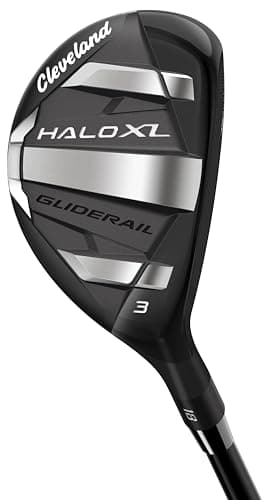
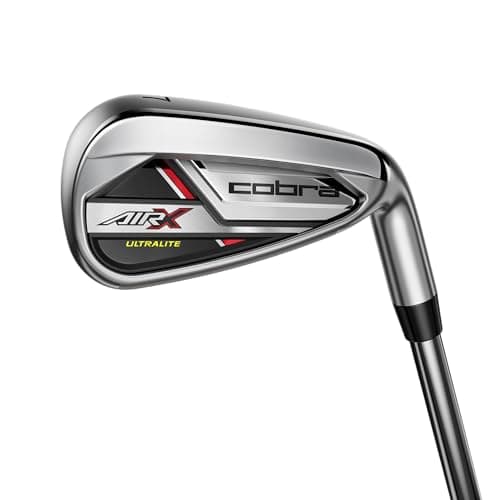
The Cleveland Launcher XL Halo irons, the Cleveland Launcher Halo XL hybrid at 21°, the Cleveland RTX 6 ZipCore wedge and the Odyssey DFX V-Line Fang putter, with the Cobra Air-X 2 ironsas the cheaper iron route if the budget will not stretch to the Halo set. This is the bag most club golfers should own. It is forgiving everywhere it matters, every club in it is a current or recent major-brand model, and it leaves the driver slot for later — which is the correct order, however much it hurts to read.
The full build
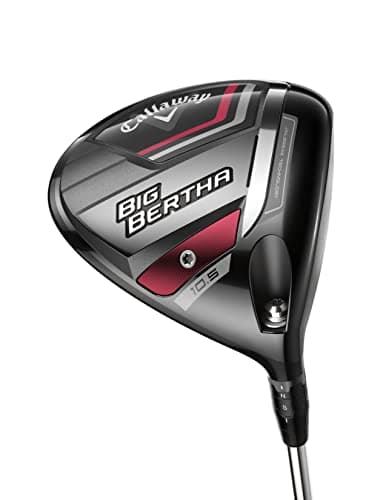
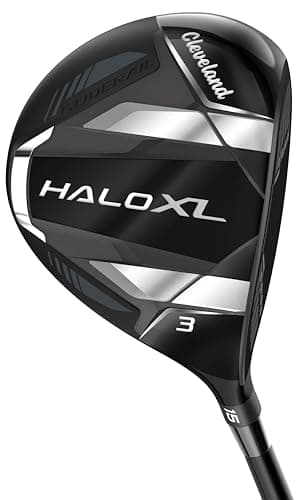
The core build plus the Callaway Big Bertha driver and the Cleveland Launcher Halo XL fairway woodat 15°. The Big Bertha is the most forgiving driver we rank, and this listing is a high-launch, light-flex 12.5° build, which is a specific and useful thing: it is for moderate swing speed, and a fast swinger should buy a lower loft and a firmer flex instead. The fairway wood in the same Cleveland family keeps the sole design and the launch behavior consistent with the hybrid and the irons — a quiet advantage of building inside one family that nobody markets.
What we would not buy, and why
Three gaps on purpose. There is no 3-iron or 4-iron in any build above, because a long iron is the hardest club in golf to launch and a hybrid does the same job for most golfers with less skill required — the argument in full is in cavity back vs blade irons. There is no second fairway wood, because the slot between a 3-wood and a hybrid is a yardage most golfers cannot separate. And there is no premium players’ iron set here at all: if you flight your irons well enough to want one, you already know it, and best irons for mid-handicappers is the page that ranks that field honestly, including the set we tell people to skip.
We have also left shaft recommendations out of every build, deliberately rather than lazily. Shaft flex and weight are the one spec on this page that genuinely needs you present to decide, and the listings above are sold in specific flexes — check the flex on the listing before you click, and read graphite vs steel shafts if you are between the two.
The arithmetic: cost per slot, not cost per bag
The useful way to think about a club budget is cost per slot filled, because that is the number that tells you where a dollar does the most work. A complete set fills fourteen slots for one price, which makes its cost per slot the lowest in golf by a wide margin — and that is exactly why it is the right answer for a new golfer and the wrong answer for a committed one. The set is cheap per slot because most of its slots are compromises.
Buying individually inverts it. A single iron set costs several times a complete set’s price and fills seven slots, but those seven are the ones you use most and the ones where forgiveness is measurable. A putter fills one slot and takes a third of your strokes. A driver fills one slot and takes an eighth. Rank your spending by strokes per slot and the order on this page falls out on its own, without anyone needing to tell you that irons matter more than the big stick.
Fourteen clubs is a ceiling, not a target
The Rules of Golf let you carry fourteen. Nothing requires you to. A bag of ten clubs you can hit beats fourteen with four you avoid, and the four nobody hits are almost always the 3-iron, the 4-iron, the second fairway wood and a lob wedge bought because a professional carries one. Leaving them out is free, it lightens the bag, and it removes the decision paralysis that costs more shots than any yardage gap.
The honest exception is the top of the bag. If your driver is genuinely unplayable, a 3-wood off the tee is not a compromise — it is the shot that keeps the ball in play, and the page that works through that trade is best fairway woods.
Before you buy a club, check the cheapest upgrade in golf
Your grips. A worn grip makes you hold on tighter, which tightens your forearms and costs you clubhead speed, and a full re-grip costs a fraction of any club here. The test and the timing are in when to replace your grips, and best golf grips ranks the field. After that, the honest replacement cycle for the heads themselves is in how often you should replace golf clubs — the short version is that clubheads do not wear out on the schedule the marketing calendar implies.
Why we do not print the price in the text
Every number on this page comes from the live Amazon listing through our price layer at the moment the page is served, behind a 48-hour freshness gate, stamped with the date above. Club prices move constantly and the gaps between a driver, an iron set and a complete set move with them — which is exactly why this page is organized by slot and by buying order rather than by a price ranking that would be wrong next month. Check the live figures in the table before you commit.