For the golfer who misses short putts and can't tell whether it was line or pace — it answers that on every single putt, and roughly 40% of your shots happen on the green.
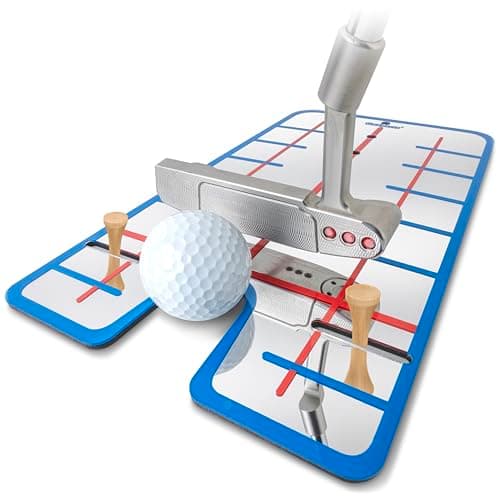
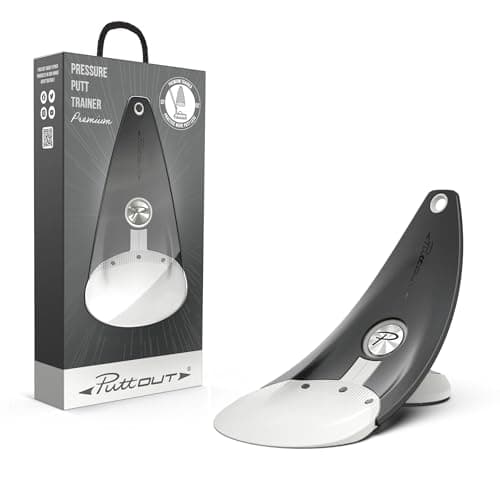
The verdict: under fifty dollars, the PuttOut Pressure Putt Trainer is the pick, and it is for the golfer who keeps missing putts inside ten feet without knowing whether it was the line or the pace. The ramp answers that question on every putt, and it does it on the part of the course where roughly 40% of your shots happen. Budget pick: the GoSports putting alignment mirror — the cheapest tool here, and the only one that shows you a setup fault you genuinely cannot feel. Every price on this page comes from our live price layer, stamped November 18, 2026; the under-fifty cut below is made against those numbers, and where a button says “check price” instead of a figure it means we have nothing verified right now and would rather show a gap than a number that has rotted.
Here is the thing that makes this page worth writing rather than a cheaper rerun of our main training-aid roundup: in this category, price and usefulness barely correlate. The two most expensive tools in our registry are a weighted stick and an overspeed system, and neither of them tells you anything about what you just did. Meanwhile the single most ruthlessly honest device on the whole rack costs less than a sleeve of premium balls. Capping the spend at fifty dollars does not cut you off from the good stuff. It cuts you off from almost exactly two things, and we name them at the bottom.
The one test every pick here had to pass
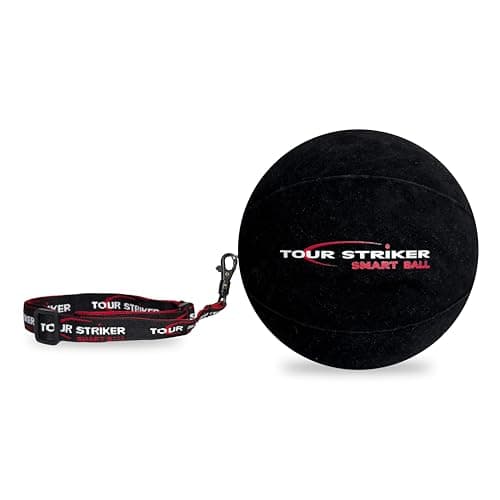
The same test the rest of this hub uses, applied inside a budget: does the tool tell you what you did? A feedback aid gives you an unarguable physical or visual read on a fault — the ball returns the wrong distance, the mirror shows your eyes behind the ball, the inflatable ball drops when your arms run away from your chest. A feel trainer reinforces a sensation and never confirms you achieved it. Both kinds appear below, because a tempo stick is a genuinely good warm-up and we are not going to pretend otherwise, but the ranking is feedback-first and the order reflects it: the four tools that hand you evidence sit above the two that hand you a feeling.
The second filter is narrower and more useful: how many of your shots does this touch? That is why a putting device wins a page about the full-swing rack. You will hit perhaps fourteen drivers in a round. You will putt about thirty times. A cheap tool aimed at the busiest club in the bag beats an expensive one aimed at the showiest, and under fifty dollars that arithmetic is the whole argument.
Buy for your miss, not for the list
Read the “best for” column before the ranking, because these seven tools fix genuinely different things and the number one pick is useless to someone whose problem is a slice. Three quick routes through the page:
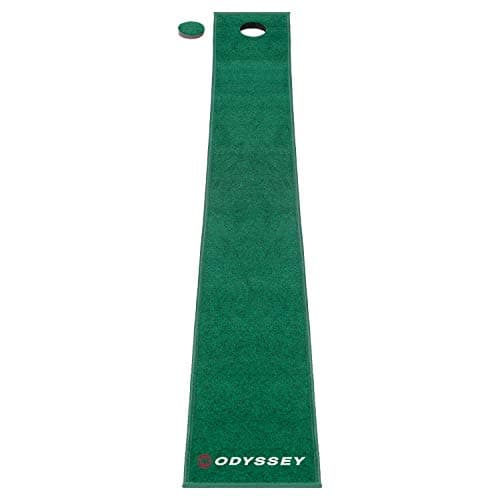
- You three-putt, or you miss short ones. The PuttOut for pace and start line, the GoSports mirror for eye-line and setup, or the Odyssey mat if what you actually lack is a true surface to roll on at home. They stack: the mirror and the trainer solve different halves of the same problem, and our head-to-head on the two says which to buy first.
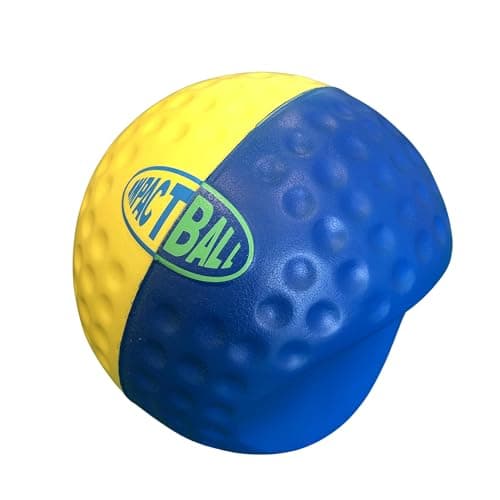
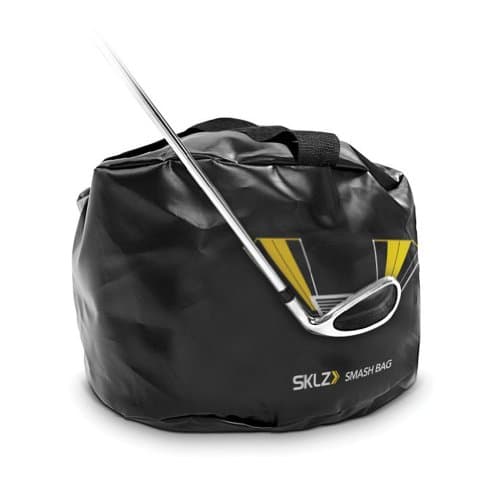
- You hit it fat, thin, or you flip at it. The Impact Ball and the Tour Striker Smart Ball both attack arm-body disconnection, which is the usual cause; the SKLZ Smash Bag teaches the forward-leaning impact position at full speed without a ball to chase. If the miss is specifically a chunk, our fat-shot guide ranks the tools by cause rather than by price.
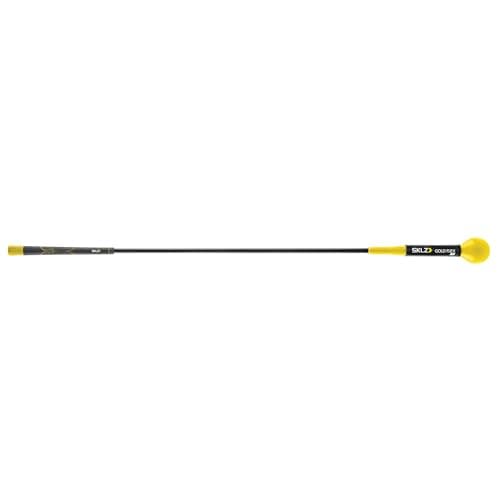
- Your swing just feels rushed. The Gold Flex, and you should know going in that it is a feel tool. It will smooth your tempo and warm you up properly. It will not diagnose anything, and we put it sixth for that reason, not because it is bad at its job.
What fifty dollars genuinely costs you
Two tools, and it is worth knowing their names so you can decide whether to wait. The first is the Divot Board, which sits above the band and is the single best piece of ball-striking feedback in our registry: you swing over it and the mark shows your low point and your path, which are the two things that decide your strike. The second is The Hanger, the forearm bar that presses the instant the clubface opens — the tightest feedback loop on any aid we rank, and the reason it tops our aids-that-actually-work shortlist.
If your miss is a slice or a chunk and you have the patience to save, those two are the better buy and we would rather say so than sell you a cheaper tool that points at a different fault. If your misses are on the green, or you are new enough that your swing changes week to week, everything you need is on this page and the money saved is better spent on a lesson. That is the honest shape of the under-fifty decision, and it is not the shape a page built to move the most expensive item would give you.
Skip this: the cheap gadget that only sells a feeling
The cheap end of this category has one trap, and it is not a scam — it is a category error. Static grip trainers, molded hand guides and anything that sets your hands at address and holds them there are plentiful and inexpensive, and we have deliberately left them off. A mold teaches you a position at a standstill and tells you nothing about what your hands do at ninety miles an hour, which is the only moment that matters. A tool that cannot be wrong cannot teach you anything. Spend the same money on the mirror and you get a fault you did not know you had.
The order to buy in, if you are buying more than one
Under fifty dollars a pick, a kit is realistic, and the sequence matters more than the individual choices. Buy the putting device first, because it touches the most shots and the feedback is the least ambiguous. Add the mirror second if your stroke is the problem, or the Smash Bag second if your contact is — those are different complaints and the honest answer depends on which one you actually have. Add a connection trainer third, and only if you can see the fault it fixes in a video of your own swing: arms separating from the chest, a chicken-wing follow-through, a flip through impact. Buy a tempo stick last, or buy it first and knowingly, as a warm-up tool rather than a fix.
Why we do not print the price in the text
Every number on this page is pulled from the Amazon listing through our price layer at the moment the page is served, behind a 48-hour freshness gate, and stamped with the date you see above. The reason is unglamorous: a price typed into an article is wrong within weeks and then quietly misleads everyone who reads it, and on a page whose entire premise is a price ceiling that is not a small error. If a pick ever drifts above the band, the number in the table tells you before we can edit the prose. That is deliberate. Check the live figure, not our sentence about it — and the figure on Amazon at checkout is the one that counts.