Skip to content
Divot&Draw

The Sticks · Golf Clubs

How Often Should You Replace Golf Clubs?

Almost nothing in your bag wears out on the schedule the industry implies. Here is what genuinely degrades, what does not, and the two cheap replacements that beat a new set.

By Stephen V.Updated How we rank
#ad

We earn a commission when you buy through our Amazon links, at no extra cost to you. It never changes our rankings — and we'll tell you when the cheaper ball or club is the better buy. How this works.

The short answer: grips roughly once a season, a glove every few weeks of play, wedges every two to three seasons if you practice, and irons and drivers only when your swing or your body has changed— not on a release cycle. If you came here wondering whether your clubs are the problem, the overwhelmingly likely honest answer is that your grips are due, your wedge grooves are worn, and the heads are fine. Those two replacements cost a small fraction of a new set and are the ones that change shots.

What actually wears out

Grips.This is the one genuine consumable in the bag. Rubber compounds harden and the surface texture polishes smooth with use, body oils and UV, and a hard, slick grip makes you hold on tighter — which tightens your forearms and wrecks your release. Golf Pride’s own guidance is to replace on a rounds-played basis rather than waiting until a grip looks worn, because a grip is usually well past its useful life by the time it looks bad. A rough working rule is once a season, or every forty or so rounds, sooner if you practice a lot or play in heat. Details in when to replace golf grips, and the job itself in how to regrip golf clubs.

Wedge grooves. Grooves are shallow and sand is abrasive, so the club you practice with most is the club that wears fastest. A worn wedge face loses spin, and lost spin on a short pitch is the difference between a ball checking up and a ball releasing past the pin. Practice-heavy golfers can wear a wedge meaningfully in two seasons; an occasional player might get five or more. The honest test is whether your short pitches have stopped stopping.

Gloves.A glove is leather under load and it is consumed, not worn out — the palm goes slick and the thumb seam gives first. Weeks, not years, for a regular player. Our glove replacement guide covers the signs.

What does not wear out

Iron heads. Cast stainless iron heads do not degrade in any way you will notice over normal use. The face does not go soft, the loft does not drift unless you bend it, and a fifteen-year-old game-improvement iron struck well performs almost exactly as it did when new. Iron faces wear in the thin centre of the sweet spot over decades of range balls, which is not a timeline most amateurs reach.

Driver heads.Titanium driver faces do eventually fatigue, and a genuine face crack or a dead-sounding head is a real reason to replace one — but that is a failure, not a service interval. Absent damage, the performance gap between a modern driver and a five-year-old one is small, and the gap between it and a fifteen-year-old one is real mostly because of adjustability and head size rather than raw ball speed.

Shafts.Steel shafts last indefinitely unless dented or rusted. Graphite can be damaged by an impact or a bag-chatter nick, and a damaged graphite shaft should be replaced because it can fail suddenly — but it does not wear out with use either.

The replacement schedule, by component

ComponentRealistic intervalWhat triggers it early
GripsAbout once a season / ~40 roundsHeavy practice, heat, sunscreen, hands slipping in the rain
GloveWeeks of regular playRain rounds, a thumb seam going, palm gone slick
Wedges2–3 seasons if you practice; longer if you do notBunker practice, range mats, pitches no longer checking
IronsWhen your swing, speed or body changesA real speed loss, a new miss, moving handicap band
DriverWhen damaged, or after many yearsA cracked or dead-sounding face; a genuine fitting gain
PutterEssentially never, for wear reasonsA change of stroke or grip style, not age
Golf ballsUnused balls keep for years in normal storageCuts, scuffs and a cover that has gone dull

Our do golf balls go badguide covers the last row properly, because it is the question in this list that gets the most wrong answers. The three picks below are the replacements that this page says are actually due — in the order they are due.

The short answer

Quick picks

#ProductBest forScorePrice
01
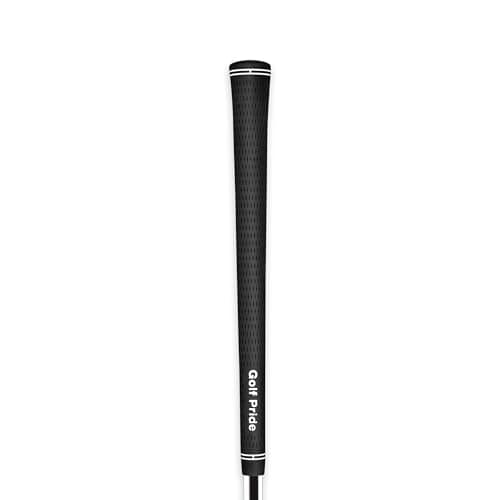
Golf Pride Golf Pride Tour Velvet (Standard)
Golf Pride Tour Velvet (Standard)

The default grip in golf, and the right answer for most golfers — a rubber-blend all-rounder that does nothing badly and costs the least of the majors.

The replacement that is actually due — re-grip first
7.8
$6.99Amazon
02
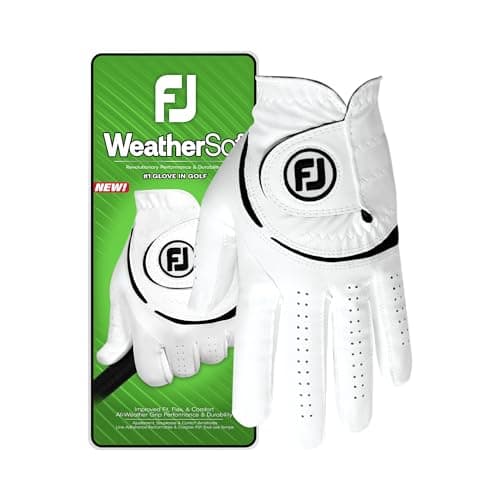
FootJoy FootJoy WeatherSof (Men's, Worn on Left Hand)
FootJoy WeatherSof (Men's, Worn on Left Hand)

The default golf glove, and the right answer for most golfers — the world's best-selling glove, a leather-and-synthetic hybrid that grips, breathes and lasts for a genuinely fair price.

The other genuine wear item in the bag
8.0
$12.97Amazon
03
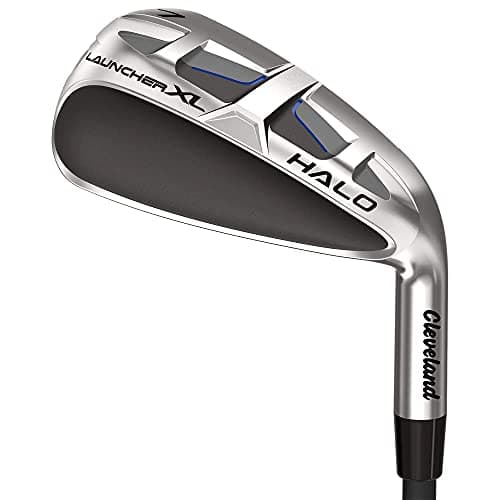
Cleveland Cleveland Launcher XL Halo Irons (Men's, Graphite, 5-DW)
Cleveland Launcher XL Halo Irons (Men's, Graphite, 5-DW)

The set most beginners should actually buy — major-brand, hybrid-like game-improvement irons with huge forgiveness and enough feel to grow into. Cleveland has since released the Halo XL Full-Face; this is the previous generation, still sold new.

When an iron set is genuinely worth replacing
7.6
$699.99Amazon

#ad · Live prices from the Amazon Product API, as of October 10, 2026. Where we have no verified live price, we show none — we would rather leave a gap than print a number that has rotted.

In detail

The picks, in full

01
Golf Pride Golf Pride Tour Velvet (Standard)

The replacement that is actually due — re-grip first

Golf Pride Tour Velvet (Standard)

Rubber-blend compoundUniform plus-sign textureStandard size (this listing)Sold as a single grip
7.8/10

The default grip in golf, and the right answer for most golfers — a rubber-blend all-rounder that does nothing badly and costs the least of the majors.

Traction
8
Comfort
7
Wet weather
6
Durability
8
Value
10

Pros

  • Golf Pride describes it as delivering 'comfort and moderate feedback for all-around playability' — which is exactly what a grip you don't have to think about should do
  • The plus-sign texture gives usable traction dry, without the abrasiveness of a cord grip
  • The cheapest of the major-brand grips, so a full 13-club re-grip stays genuinely affordable
  • Available in every size and core, so getting the right fit is easy

Cons

  • In real heat, heavy sweat or steady rain, a plain rubber grip gives up traction to a cord or polymer grip
  • The firm, conventional feel is deliberately unremarkable — nobody has ever been excited by a Tour Velvet

Skip this if…

…you play in humidity, sweat heavily, or golf without a glove in the wet. Plain rubber is the one thing on this list that gets slick when it's soaked — go to the cord-hybrid MCC Plus4 or the polymer Dri-Tac instead. Also skip it if your hands ache after a round; a softer grip will treat you better.

$6.99View on Amazon

Price as of October 10, 2026. Prices change — Amazon's is the one that counts.

#ad · we may earn a commission from this link to Golf Pride Tour Velvet (Standard)

02
FootJoy FootJoy WeatherSof (Men's, Worn on Left Hand)

The other genuine wear item in the bag

FootJoy WeatherSof (Men's, Worn on Left Hand)

FiberSof leather/synthetic blendPowerNet mesh back for breathabilitySingle glove, worn on left hand (right-handed golfer)Sold in every size + multipacks
8.0/10

The default golf glove, and the right answer for most golfers — the world's best-selling glove, a leather-and-synthetic hybrid that grips, breathes and lasts for a genuinely fair price.

Grip
8
Feel
8
Durability
8
Wet weather
8
Value
8

Pros

  • FootJoy describes the FiberSof material as 'the most advanced combination of a consistent fit, soft feel and a secure grip', with a MicroTac treatment added in the high-stress areas — an all-rounder that does nothing badly
  • A breathable PowerNet mesh back keeps a sweaty hand cooler than a full-leather glove in the heat
  • It is the world's best-selling golf glove — FootJoy cites more than 90 million sold — so the sizing is well understood and a replacement is never hard to find
  • More durable than a soft cabretta glove at a fraction of the price, which is why it is the sensible default

Cons

  • The synthetic content that makes it durable also makes it feel a shade less soft than a pure cabretta glove like the Players or the StaSof
  • White marks with use, and in a genuine downpour a dedicated rain glove grips better

Skip this if…

…you want the thinnest, softest premium-leather feel, or you're buying specifically for the rain. The WeatherSof is a durable all-rounder — for pure feedback a cabretta glove is thinner, and for a downpour the RainGrip pair grips better the wetter it gets.

$12.97View on Amazon

Price as of October 10, 2026. Prices change — Amazon's is the one that counts.

#ad · we may earn a commission from this link to FootJoy WeatherSof (Men's, Worn on Left Hand)

03
Cleveland Cleveland Launcher XL Halo Irons (Men's, Graphite, 5-DW)

When an iron set is genuinely worth replacing

Cleveland Launcher XL Halo Irons (Men's, Graphite, 5-DW)

5-iron through dual wedge (this listing)Game-improvement, hollow long ironsMainFrame AI variable face (Cleveland)Gliderail sole, oversized XL head
7.6/10

The set most beginners should actually buy — major-brand, hybrid-like game-improvement irons with huge forgiveness and enough feel to grow into. Cleveland has since released the Halo XL Full-Face; this is the previous generation, still sold new.

Forgiveness
9
Distance
8
Feel
7
Playability
7
Value
7

Pros

  • Cleveland builds these around an AI-designed 'MainFrame' variable face and an oversized 'XL' head — their published aim is more ball speed with maximum forgiveness across the face, and it shows on off-center strikes
  • The 'Gliderail' sole and hollow, hybrid-like long irons are designed to keep the face straight through impact and glide over the turf, so the hardest clubs to hit become the easy ones
  • A real brand with resale value, fitting options and support — you can trade these in when you improve, which the no-name sets can't offer

Cons

  • A full new-brand game-improvement set is one of the pricier ways into irons — you pay for the badge and the tech
  • Big, offset, thick-topline heads look like what they are; better ball-strikers will find them bulky and want more shot-shaping
  • Previous generation: Cleveland's current game-improvement iron is the Halo XL Full-Face (2024), which adds full-face grooves to the same hollow-head recipe — check the live price of both before you buy

Skip this if…

…you already flight your irons and want workability, or the budget is tight. This is a lot of (very good) game-improvement iron; if you strike it well you'll prefer a more compact head, and if money is short a single value iron gets you practicing for a tenth of the price.

$699.99View on Amazon

Price as of October 10, 2026. Prices change — Amazon's is the one that counts.

#ad · we may earn a commission from this link to Cleveland Launcher XL Halo Irons (Men's, Graphite, 5-DW)

The real trigger for replacing irons is not time

It is a change in you. The legitimate reasons to replace an iron set are: your clubhead speed has dropped enough that your current shafts are too heavy or too stiff; your handicap has moved far enough that you need either more forgiveness or less; your miss has changed and the set no longer helps it; or your lie angles no longer match your delivery. All four are about you, and none of them has anything to do with how old the clubs are. If none of those apply, a new set buys you a new set.

When one of them does apply, buy on the basis of the change rather than the model year. Mid-handicap irons, game-improvement irons and irons for seniors are each written for a different version of that change, and used vs new is worth reading first because a one-generation-old set is where the value in this category lives.

The two-hundred-dollar order of operations

If you have a modest budget and your clubs feel stale, spend it in this order and you will get more than a new set would give you. First, re-grip the whole bag. It is the cheapest change that alters how every club in the bag feels, and almost everyone reading this is overdue. Second, replace your most-used wedge if your pitches have stopped checking. Third, get a lie-angle check— a few degrees of static loft and lie error costs more accuracy than any face technology recovers. Fourth, replace the long irons with hybrids if you cannot get a 4 or 5 iron airborne. A new iron set comes fifth, and by then you may well not want it. Read how much to spend on golf clubs for the full argument and the grip size chart before you re-grip, because the right size matters as much as the new rubber.
How we ranked this

We don't run a testing lab — and we say so

We compiled published manufacturer specifications, official standards and aggregated owner reviews, computed the running costs the big test-labs leave out, and scored each pick against a published rubric. The scores are judgments from documented research — they are not lab measurements we took, because we don't have a lab and we're not going to pretend we do. You can check every number we publish.

Questions

Frequently asked

How often should you replace golf clubs?
Not on a schedule. Grips about once a season or every forty rounds, a glove every few weeks of regular play, and the wedge you practice with every two to three seasons. Iron heads, driver heads, shafts and putters do not wear out in normal amateur use, so replace those when something about your swing, speed or body has changed — or when a club is genuinely damaged. The industry’s annual release cycle is a marketing calendar, not a service interval.
Do golf irons wear out?
Cast stainless iron heads do not wear out in any way an amateur will notice. The face does not soften, the loft does not drift unless the club is bent, and a well-struck shot with a fifteen-year-old game-improvement iron goes very nearly where it always did. Grooves on the short irons and wedges do wear, which costs spin on partial shots, and that is the genuine case for replacing the scoring clubs long before the long irons.
How often should you replace golf grips?
Roughly once a season, or every forty or so rounds, and sooner if you practice heavily or play in heat. Golf Pride’s own guidance is to go by rounds played rather than appearance, because a grip is usually well past useful by the time it looks worn. The tell-tale sign is grip pressure: if you find yourself holding on tighter in the rain or at the top of the backswing, they are done. See when to replace golf grips.
Is it worth upgrading from a five-year-old driver?
Usually less than you hope, and the honest test is a fitting rather than an article. Raw ball speed gains over a five-year window are small; the gains that are real come from getting the right loft, the right shaft and a head with the right bias for your miss, which is as likely to be available by adjusting or re-shafting what you own. A fifteen-year-old driver is a different conversation — head size, adjustability and forgiveness have genuinely moved. See our driver roundup.
Should I buy new or used when I do replace?
For irons and drivers, one-generation-old equipment is where the value in this market lives: the performance difference is marginal and the discount is not. For wedges, buy new or nearly new — you are buying grooves, and used wedges are usually sold because their grooves are gone. For putters, condition is irrelevant and fit is everything. Our used vs new guide covers each category.

Keep reading

Receipts

Sources

We do not run a testing lab, and we do not pretend to. Every spec number here comes from a manufacturer's published sheet or an official standard, cited above. Where we could not verify something, we say so on the page rather than quietly leaving it out. Read our full method.