“Golf accessories” is one of the most polluted shopping categories there is. Search it and you get novelty divot tools, logo towels, gadget tees and a dozen things that will be in a drawer by April. So this page runs one test on every candidate, and anything that fails it is not here: does it change a shot, does it protect the kit you already paid for, or does it remove a chore you are currently paying someone else to do? Six things pass. The best of them is the one you already touch on every swing: your glove.
If you are shopping for someone else rather than for yourself, the gift guides in this hub sort similar gear by recipient and occasion — best golf gifts is the main ranking, and golf stocking stuffers covers the small end. This page is organized the other way around: by what each item does to your round.
The test, and why it excludes most of the category
Accessories are cheap enough individually that nobody applies any discipline to them, and expensive enough collectively that they quietly eat the budget for a club. The three criteria below are the whole ranking, and the order matters: an accessory that changes a shot outranks one that saves you money, which outranks one that is merely pleasant to own.
- Does it change a shot? A grip you can hold lightly, a glove that does not slip, a yardage you trust instead of guess, a reference line on the ground. These alter what the club does. Nearly everything else in the category does not.
- Does it protect what you already own? Clubs and a bag are the expensive part. Anything that extends their life is cheap insurance.
- Does it remove a chore?A regripping kit replaces a shop’s per-club labor charge. That is the accessory equivalent of a free lunch.
What that rules out: anything whose only function is to look good, any gadget that claims to fix a swing fault without giving feedback, and — the big one — the whole genre of “gift set” accessory bundles, which exist to hit a price point rather than to put six useful things in a bag.
Why the glove is first
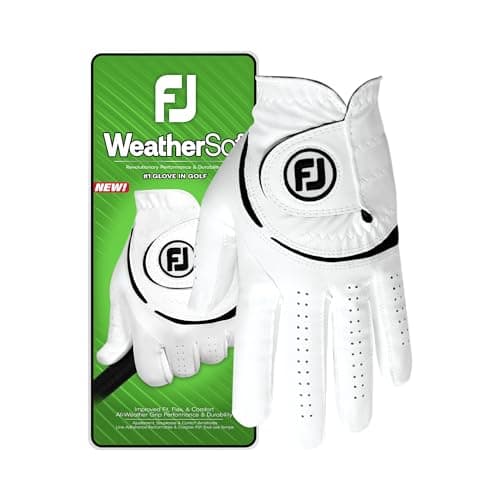
It is the only item on this page that is involved in literally every shot, and it is the one most golfers run into the ground. A glove is a consumable: once the palm goes shiny the grip is gone, and you compensate by holding tighter, which is the single most reliable way to lose clubhead speed. FootJoy publishes the WeatherSof as a FiberSof leather and synthetic blend with a PowerNet mesh back and MicroTac treatment in the high-stress areas, and cites more than 90 million sold — which matters mostly because the sizing is well understood and a replacement is never hard to find.
The honest limit: it is not the softest glove made. A cabretta glove feels thinner and gives more feedback, and in a genuine downpour a dedicated rain glove grips better the wetter it gets. If either of those is you, our best golf gloves ranking has the whole field, and when to replace a golf glove covers the part nobody does on time.
Two accessories that change a shot for almost nothing
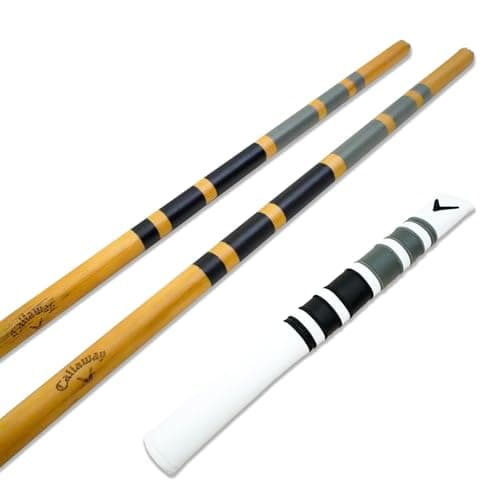
Alignment sticks are the best value in golf and it is not close. Two fiberglass rods cover alignment, ball position, swing path and plane, which is more faults than any single-purpose gadget addresses, and they are near-indestructible. The catch is honest and worth stating: they give you a reference, not a correction. They do not tell you what to do, which is why alignment stick drills is one of the more useful pages on this site.
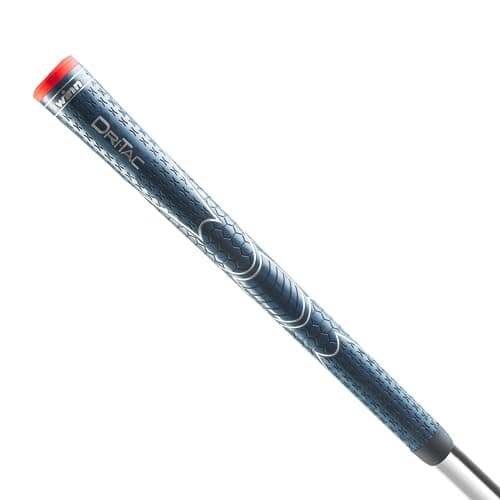
Grips are the accessory hiding in plain sight. There are thirteen or fourteen of them in your bag, they are the only part of the club you touch, and they wear out on a schedule nobody tracks — Golf Pride’s own guidance is to replace them on a rounds-played basis rather than when they finally look worn. The Winn Dri-Tac is the pick here because its soft, tacky polymer lets you hold on lightly, which is what a grip is for. It wears faster than rubber or cord; that is the trade. If your hands sweat rather than ache, a cord grip is the better answer — see best golf grips.
The distance device, and the cheapest honest version of it
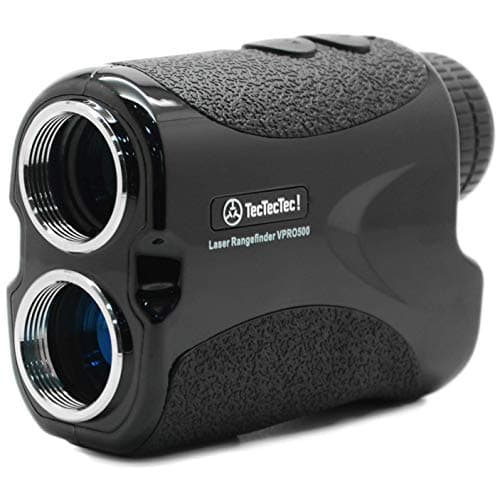
A rangefinder is the accessory with the clearest line to your scorecard, because it replaces a guess with a number. You do not need a premium one to get that benefit. The TecTecTec VPRO500 publishes 6x magnification, a slope mode and a one-yard rated accuracy, which is the full specification that decides a yardage; the premium lasers buy you a faster, better-confirmed lock and a cart-bar magnet rather than a different number.
Two honest cautions. There is no magnet and no lock-confirmation jolt, so you steady it yourself and trust the reading. And its slope is not flipped off by a quick external switch, which matters because under Rule 4.3 using an elevation-reading feature in a counting round is a breach — with no convenient toggle, getting to a legal mode is fiddly. If you play competition, that is the argument for stepping up to a switch-equipped laser like the Bushnell Tour V7 Shift. The whole field is in best rangefinders, and are rangefinders legal covers the rule.
The two that pay you back at home
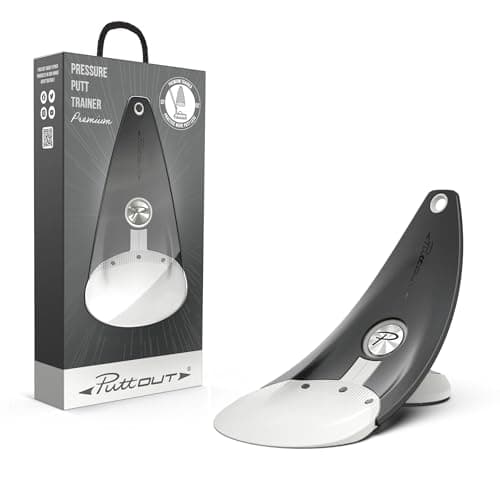
The PuttOut Pressure Putt Trainer is here because of one design decision: hole the putt at the right pace and the parabolic ramp returns the ball the exact distance it would have run past the cup. That is feedback, not a target, and feedback is the difference between practice and repetition. It is a short-putt tool — it does nothing for lag putting or green reading, and the micro-target feels punishing at first.
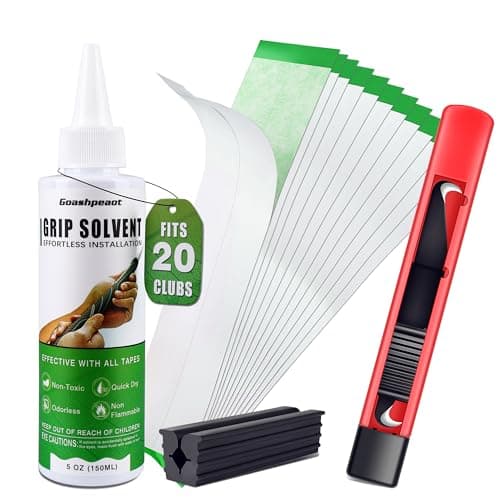
The regripping kit is the chore-remover. One box with solvent, double-sided tape, a hook blade and a rubber vise clamp covers a full set of grips for less than a shop charges in labor for a handful of clubs, and the vise clamp is the part beginners skip and then regret. Check which pack option you are adding to the cart, because the listing sells several and the quantities differ. The method is in how to regrip golf clubs.
The six, against the test
| Accessory | Which test it passes | The honest limit |
|---|
| FootJoy WeatherSof glove | Changes a shot — every shot | Less soft than cabretta; a rain glove beats it in a downpour |
| Callaway alignment sticks | Changes a shot | A reference, not a correction — you supply the drills |
| TecTecTec VPRO500 | Changes a shot | No magnet, no jolt, and slope is awkward to switch off |
| Winn Dri-Tac grips | Changes a shot — on all fourteen clubs | Polymer wears faster than rubber or cord |
| PuttOut Pressure Putt Trainer | Changes a shot (inside ten feet) | Nothing for lag putting or green reading |
| Regripping kit | Removes a chore | Starter quantities; check the pack option |
Scores are judgments from published manufacturer specifications, listing details and aggregated owner feedback against our rubric— not lab measurements. We do not run a lab.
What we deliberately left out, and why
A roundup is only as honest as its exclusions, so here are ours.
- Towels, divot tools, ball markers and headcovers. Useful, genuinely cheap, and they fail the test: none of them changes a shot, and a bag without them plays exactly the same. Buy them, by all means. They are not worth a ranking.
- Rangefinder and GPS duplicates. One distance device is an accessory; two is a category. If you would rather glance at a wrist than aim a laser, that decision is worked through in rangefinder vs GPS and the watches are ranked in best golf GPS watches.
- Bags, carts and coolers.These are equipment with their own hub, not accessories — see best golf bags.
- Swing gadgets with no feedback mechanism. If a device cannot tell you what you just did wrong, it is selling a feeling. The ones that do give feedback are ranked honestly in training aids that work.
The order to buy them in
If you are starting from nothing, buy in this order and stop whenever the next one stops sounding useful: glove first, because it is a consumable you are probably already overdue on; alignment sticks second, because they cost almost nothing and address the fault most amateurs do not know they have; grips third, if yours are more than a season old; a rangefinder fourth, if you currently guess yardages; and the putting trainer last, which is a statement about whether you will actually use it rather than about the product.
The regripping kit is a conditional purchase, not a ranked one. It only makes sense in the same order as the grips — buy both together, do the job in an evening, and the kit has already paid for itself against a shop’s labor charge on the first set.
Where accessories stop being the answer
Honest limit on the whole category: accessories are cheap, which makes them an easy substitute for the two things that actually move a handicap — a lesson, and practice. If you have a glove that fits, grips that are not slick and a way of knowing the yardage, the next useful purchase is probably not an accessory at all. It is either coaching or the club your bag is genuinely missing, which is the subject of the upgrade path out of a beginner set.