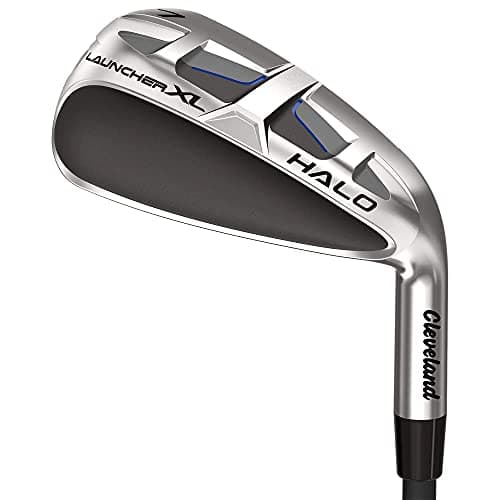
There is no such thing as a “senior” club, really — there is a slower swing, and clubs that suit it. As clubhead speed eases off, three things start to matter more than anything the marketing shouts about: light weight (so a smoother swing still generates speed), graphite shafts (lighter than steel and easier on the joints), and high launch with real forgiveness(so the ball gets airborne and mishits still travel). This list ranks the senior-friendly pick for each part of the bag on exactly those terms. The Cleveland Launcher XL Halo irons top it because the heart of a senior’s bag is a set of forgiving, high-launching graphite irons, and these do that as well as anything at the price.
Because this is a whole-bag list rather than one category, the ranking is our composite score across the picks — but read the “best for” on every row, because you’re not choosing one of these insteadof the others; you’re choosing which slot to spend on first. For most senior golfers, forgiving irons and a high-launch driver return the most enjoyment; a complete set is the smartest single purchase for a returning player; and a forgiving wedge quietly saves more shots than any of it. If it is only the tee shot that has gone short, skip the whole-bag question and read the best drivers for a slow swing speed instead — the same picks, ranked purely on loft, weight and flex.
What actually matters as your swing slows down
We weighted the picks on the things a slower swing feels on the course, in this order. First, launch and forgiveness— a high-launch, wide-soled, perimeter-weighted head gets the ball up for a swing that no longer flights a bladed iron, and keeps mishits in play. Second, weight— a lighter head, shaft and grip let a smoother tempo produce clubhead speed, which is where distance comes from once raw power fades. Third, graphite shafts— lighter and softer-feeling than steel, they suit a slower swing and are kinder to hands, wrists and elbows; our graphite vs steel guide explains exactly why. Fourth, value— there is no need to pay tour prices for forgiveness. What we deliberately did notweight is workability and shot-shaping: those are a better player’s priorities, and chasing them costs a senior the forgiveness that actually helps.
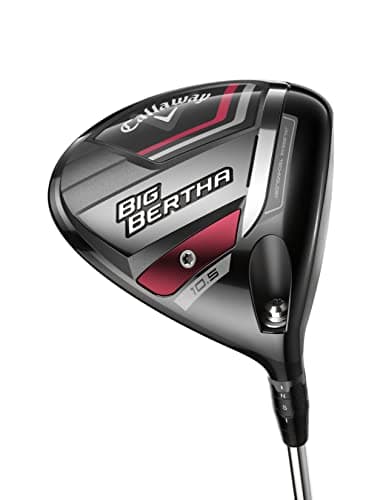
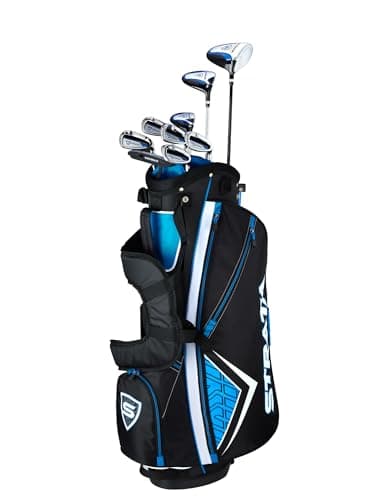
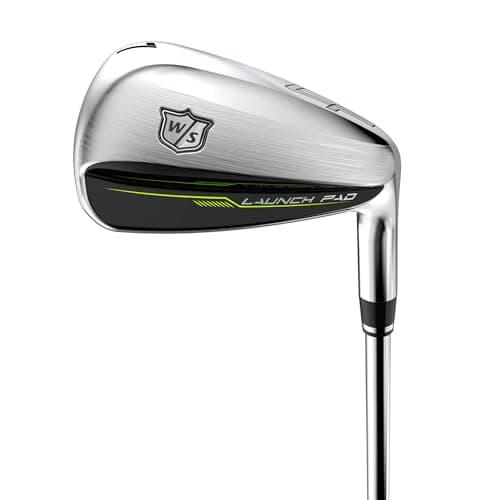
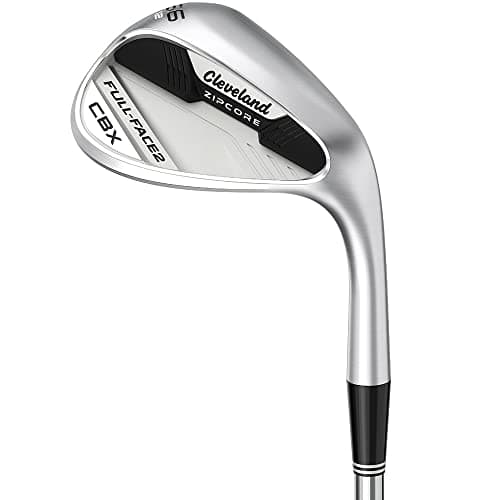
That is why the list runs the way it does. The Launcher XL Haloand Wilson Launch Pad are both graphite, high-launch iron sets — the Cleveland the all-round game-improvement pick, the Wilson the maximum-forgiveness super-game-improvement option for the slowest swings. The Big Bertha driver is here in its high-launch, light-flex build, which is exactly what a slower swing wants off the tee. The Callaway Strata complete set is the one-purchase answer for a senior returning to the game or starting out. And the Cleveland CBX Full-Face is the forgiving wedge that flatters a less-than-perfect strike around the green, where a lot of senior scoring is won or lost.
Skip this: heavy, low-launch “players” clubs
The one buy to avoid as your swing slows is a set of compact, low-launch players’ irons with heavy steel shafts, or a low-lofted, stiff-shafted driver. They demand speed and a precise strike you may no longer have, and they punish the exact misses forgiveness is designed to hide. There is no vanity prize for a hard-to-hit bag — a wide-soled iron and a high-launch driver are a lower score, not a confession. If you already own heavy clubs and love them, the cheapest senior-friendly upgrade is often just re-shafting to graphite and fitting softer comfort grips before you replace anything.
How much should a senior spend on clubs?
Think in tiers, not brand loyalty. A returning or casual senior golfer is well served by a complete game-improvement setin the low-hundreds — one honest price for a matched, forgiving bag. A senior who plays often and strikes it reasonably will get more from a dedicated graphite iron set and a proper high-launch driver, which is mid-hundreds of dollars for the irons and a few hundred for the driver. A forgiving wedge is the cheapest single upgrade that actually moves a scorecard. We show the live price on every pick so you can buy on today’s number; the full arithmetic on where senior money is best spent is in our cost guide, and the used-vs-new guideshows where second-hand is smart — graphite-shafted game-improvement irons hold up well used, as long as you check the grips and shafts.
Graphite, loft and the fit that matters most
Two fitting choices matter more for a senior than the badge on the head. The first is graphite over steelthrough the irons: it is lighter, it damps vibration, and for a slower swing it is almost always the right call — every iron set here is offered in graphite for that reason. The second is loft: as speed drops, more loft launches the ball higher and carries it further, which is why a 12°-plus driver and higher-lofted fairways and hybrids beat the low-loft heads a faster player uses. If your hands ache, a set of soft, tacky grips (a polymer grip like the Winn Dri-Tac is the usual recommendation for arthritis) is a small, cheap change that makes every club more comfortable to hold.
Where to spend first
If the budget is limited, prioritize the clubs you hit most and the ones that hurt the least. For most seniors that means forgiving graphite irons first, a high-launch driver and a couple of hybrids next, and a forgiving wedge to tidy up the short game — a bladed long iron is the last thing a slower swing should carry, and a hybrid replaces it with something far easier to launch. Pair the right clubs with the right ball, too: a low-compression, soft-feel ball gives back distance a firm ball takes away as speed drops, which is exactly the case we make in the best golf balls for seniors roundup.