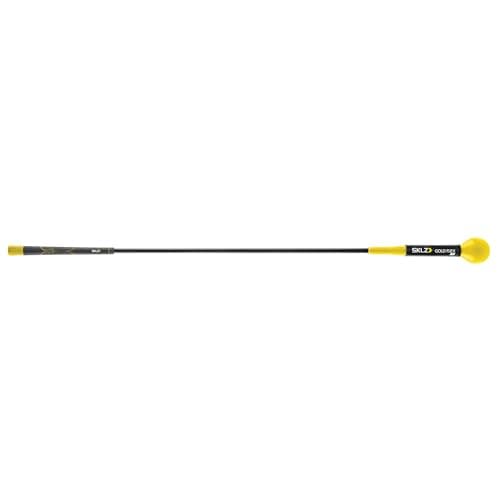
The direct swap: a weighted, flexible shaft that loads and unloads the same way the Orange Whip does, for a fraction of the money — the right buy if tempo and warm-up are what you wanted.
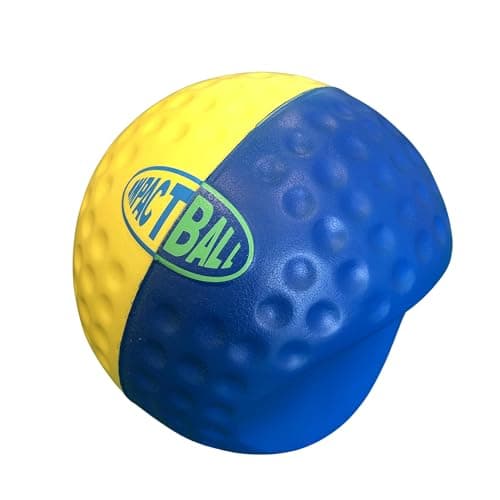
Budget pickImpact Ball — the cheapest tool here, and a different job done well — it keeps your arms and body moving together through the strike, standing still, indoors $40.99 on Amazon
The verdict: the closest alternative is the SKLZ Gold Flex— a weighted flexible shaft that does the Orange Whip’s core job, builds the same rhythm and golf-specific flexibility, and costs a fraction of it. If you bought or are about to buy an Orange Whip hoping for distance, the honest answer is the SuperSpeed Golf system, which is the one tool here built to add swing speed. Budget pick: the Impact Ball, the cheapest thing on this page and a genuinely different job — connection through the strike, in a room, standing still. Prices are live from our price layer, stamped November 22, 2026.
First, what the Orange Whip is actually known for, because we rank it first on two of our own pages and are not about to talk it down. It is a counterweighted flexible shaft with a weighted orange head, and what it is known for is build quality and feel: it loads smoothly, it tells you immediately when you have got quick or out of sequence, and it is the best warm-up tool in golf — three swings on the first tee do more for most rounds than twenty balls would. It is the top pick on our training-aid roundup and our tempo-trainer ranking. People look for an alternative because it is premium-priced for a tool that gives feel rather than feedback — and because it does three separable jobs, of which most buyers only want one.
The three jobs, and the tool for each
- Job one: tempo, sequencing and warm-up. This is the Orange Whip’s real strength and the reason it gets recommended. The mechanism is simple — a flexible shaft with weight at the end cannot be swung quickly from the top without the head lagging and the whole thing feeling wrong, so it teaches you to let the club load. The SKLZ Gold Flex is the same mechanism at a budget price: weighted, flexible, and a genuinely good warm-up and flexibility tool. What you give up is build quality and the counterweighted balance that makes the Orange Whip feel better in the hands. We put the two head to head in Orange Whip vs SKLZ Gold Flex.
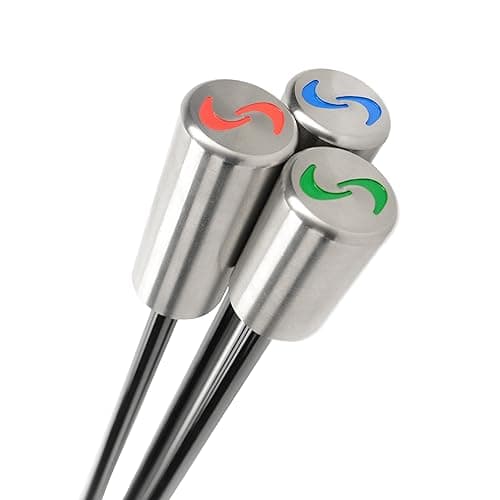
- Job two: the distance you were hoping for. This is where most of the disappointment in this category comes from. A weighted tempo stick builds rhythm and golf-specific flexibility; it is not a speed protocol, and it will not add yards on its own. The tool built for that is SuperSpeed Golf— three graduated speed sticks and an overspeed training protocol with preset sessions, which is the one aid here that reliably adds clubhead speed if you actually do the reps. Be honest with yourself about the reps: it is a program, not a purchase. And note the trade SuperSpeed itself creates — speed can make a slice worse if your face and path are off, so fix the strike first. The comparison is SuperSpeed vs Orange Whip.
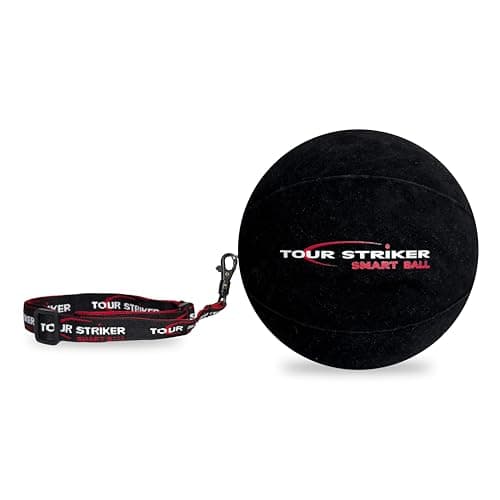
- Job three: sequencing in a room with no space. A weighted shaft needs a full swing arc and a ceiling, which rules it out of a lot of houses in January. The two connection trainers here do a related job standing almost still: the Tour Striker Smart Ball is an inflatable ball held between the forearms that drops the moment your arms and body stop working together, and the Impact Ball is the same idea contoured to the forearms so you can keep it in place through real swings. Neither trains tempo. Both train the arms-and-body relationship that bad tempo usually breaks, and both work in a space where an Orange Whip would take out a light fitting. Our home-practice ranking applies that filter to the whole hub.
The ranking, and the honest cons
1. SKLZ Gold Flex. The alternative most people searching this query are looking for: the same weighted-flex swing, the same warm-up value, a fraction of the price. Its limit is the limit of the whole category — it builds rhythm and flexibility, and it will not tell you the face was open or the club bottomed out behind the ball. If what you need is a diagnosis rather than a feel, you want a feedback aid instead, and that is a different page.
2. SuperSpeed Golf. The right answer to the wrong reason for buying an Orange Whip. Three sticks, a real protocol, and a measurable outcome if you commit to the sessions. Costs more than the Gold Flex, asks for more of your time, and will not improve your contact — it is a speed tool and it says so. Pair it with a way to measure what you are doing or you are guessing; the cheapest honest option is a pocket speed monitor, which is the budget pick on our TrackMan alternatives page, and the wider field is in launch monitors under $1,000.
3. Tour Striker Smart Ball. The most specific tool here and the best feedback-per-dollar if its fault is your fault. It drops when you disconnect, which is immediate, unarguable information of a kind the Orange Whip never gives you. Its con is written into that strength: it fixes one thing — the arms running away from the body — and if that is not your miss, it is a solution looking for a problem.
4. The Impact Ball. Same connection idea, molded to the forearms rather than inflatable, and the cheapest thing on this page. It stays in place through full swings, which makes it the more practical of the two for hitting actual balls. Same caveat, stated honestly: if your arms and body already move together, strapping them tighter will not help, and the money is better spent on a tool that targets your real miss.
The swap that is not an alternative
A feedback aid. If your actual problem is a slice, a fat strike or a shank, no weighted stick and no connection ball fixes it, and buying one instead of the right tool is how people end up with a drawer of training aids and the same handicap. Those faults need something that shows you what the club did: a strike board that records where the sole entered the turf, alignment sticks that make your path visible, or a feedback trainer aimed at your specific miss. We keep those separate on purpose — impact and strike trainers and training aids to fix a slice are the pages for that, and do golf training aids work is the honest overview of which categories earn their shelf space at all.
A grip trainer is also not an alternative, for the same reason: a molded grip teaches hand placement, which is a different job from rhythm, and it will not load or unload at all. It is a fine cheap purchase on its own terms and it is ranked where it belongs, on training aids under $50.
If you still want the original
Entirely reasonable, and worth saying on a page like this. If you will swing a tempo stick before every round for the next ten years, the Orange Whip’s build quality and balance are what you are paying for and the Gold Flex will feel like what it costs. The case for buying the original rather than the alternative is in our Orange Whip review, which also says plainly what it cannot do. What we would not do is buy the premium version of a tool you are not sure you will use — which is precisely why the cheaper stick exists.
The arithmetic: cost per use, not cost per tool
Training aids are the one category in golf where the purchase price is almost irrelevant and the abandonment rate is everything. A premium tempo stick swung three times before every round for a decade is the cheapest equipment you will ever own. The same stick in a garage corner after four weeks cost you its entire price, and that is the normal outcome — not because the tools are bad, but because most of them need a habit the buyer never formed.
So the useful question before you spend anything is not which aid is best, it is where will this live and when will I touch it? The tools on this page sort cleanly on that test. A weighted stick wants to live where you walk past it on the way to the car, because its value is the warm-up. A connection ball wants to live in the bag, because its value is thirty swings on the range. A speed protocol wants a calendar entry, because its value is a measured program over weeks. Buy the one whose habit you can actually picture, and if you cannot picture any of them, buy the cheapest and find out for a fraction of the money.
What a weighted stick can and cannot change
Worth being precise, because this is the most over-claimed category in golf retail. A weighted flexible trainer genuinely does three things: it warms up the muscles and joints you are about to use, it builds golf-specific flexibility and strength through the swing arc, and it makes a quick, out-of-sequence transition feel obviously wrong, which is the closest thing it has to feedback. All three are real and all three are worth having.
What it does not do is tell you anything about the clubface, the path, or where the club bottomed out — and those are what produce a slice, a hook and a fat shot. No amount of swinging a weighted shaft corrects an open face at impact. Treat a tempo stick as conditioning and rhythm work, pair it with one feedback tool aimed at your actual miss, and you have a two-item setup that beats a drawer full of gadgets. Our training aids that actually work page applies that same test across the hub.
Why we do not print the price in the text
Every number on this page comes from the live Amazon listing through our price layer at the moment the page is served, behind a 48-hour freshness gate, stamped with the date above. Training aids are discounted constantly and the gaps between these four move around a lot, which is exactly why this page is organized by the job you are replacing rather than by a price order that would be wrong next month. Check the live figures in the table before you decide.